

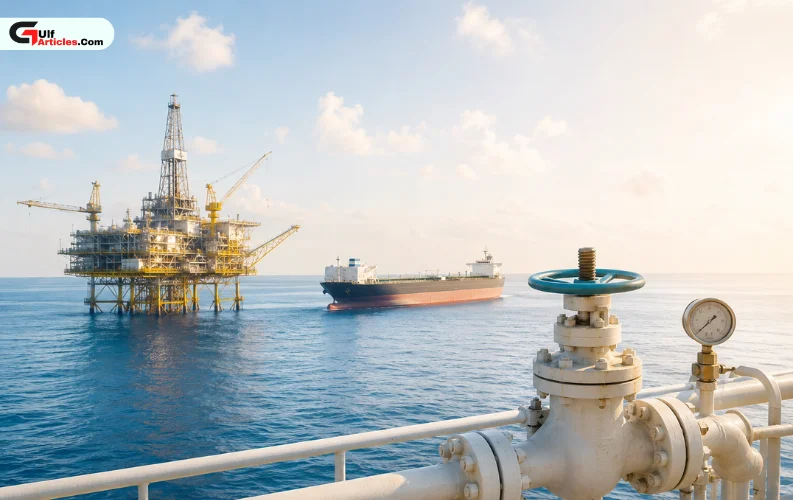
Global oil prices surged more than 3% during early Asian trading on Wednesday after renewed military tensions involving Iran heightened concerns over the security of the Strait of Hormuz, a vital maritime route that carries nearly one-fifth of the world's crude oil exports.
Brent crude climbed to $74.16 per barrel, gaining 3.01%, while U.S. benchmark West Texas Intermediate (WTI) rose 2.83% to $72.43 per barrel. Murban crude also posted strong gains, advancing 3.43% to $68.97 per barrel. Meanwhile, U.S. natural gas edged up 0.18% to $3.271 per million British thermal units.
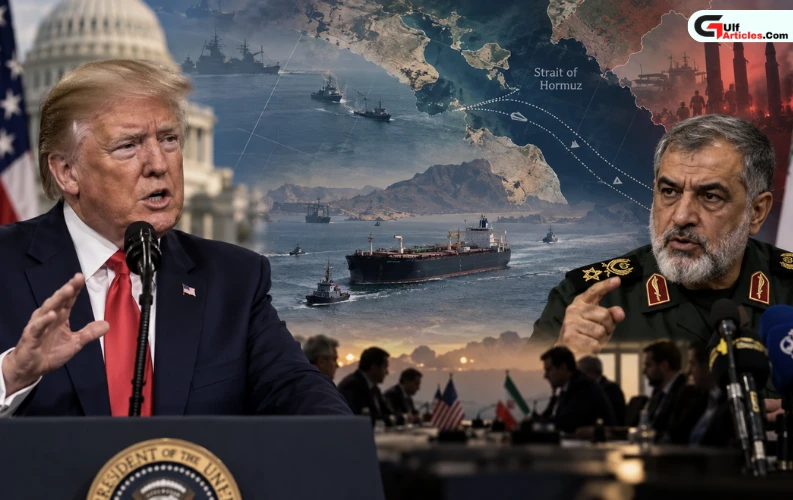
The rally came after reports of multiple explosions in southern Iran, including areas near Bandar Abbas, Qeshm Island, and Sirik. The incidents followed U.S. military strikes targeting Iranian military installations after attacks on a vessel transiting the Strait of Hormuz, escalating tensions in one of the world's most strategically important energy corridors.
The latest developments have intensified fears that the conflict could threaten shipping through the Strait of Hormuz, a narrow waterway connecting the Persian Gulf to global markets. The passage is widely regarded as one of the world's most critical energy chokepoints, with millions of barrels of crude oil moving through it each day.
Although oil exports have continued without major interruption, energy markets remain highly sensitive to any military activity in the region. Even temporary disruptions to tanker traffic could tighten global crude supplies and place additional upward pressure on fuel prices.
Market participants are closely monitoring geopolitical developments, with analysts warning that continued instability could increase volatility across energy markets. Investors are also watching for any changes in shipping operations, government responses, and further military actions that could influence global supply chains.
The sharp rise in crude prices reflects growing concerns that prolonged tensions in the Middle East may affect global energy security, particularly if the Strait of Hormuz faces operational disruptions in the coming days.
For now, traders remain focused on developments in the region, with oil markets expected to remain volatile as geopolitical uncertainty continues to shape investor sentiment.
You may also like that news:-













Comments 0
No comments yet. Be the first to share your thoughts.
Leave a comment
Your email is never published. All fields are required.