

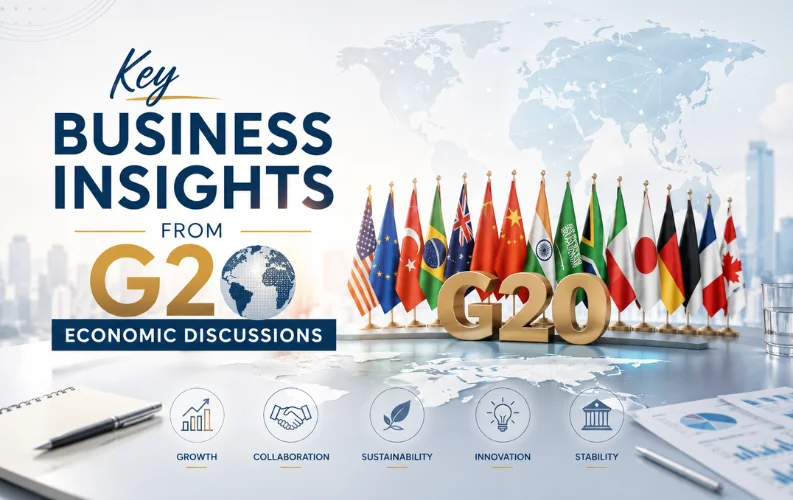
The Group of Twenty (G20) remains one of the most influential forums for international economic cooperation, bringing together the world's largest developed and emerging economies. Collectively, G20 members account for approximately 85% of global GDP, more than 75% of international trade, and around two-thirds of the world's population, making the group's discussions highly relevant to businesses operating in today's interconnected global economy.
While G20 discussions often focus on broad economic and policy issues, the outcomes and priorities emerging from these meetings frequently influence business environments around the world. Topics such as economic growth, inflation management, global debt, trade policy, energy security, artificial intelligence, financial regulation, sustainability, and supply chain resilience directly affect how organizations plan, invest, and compete.
For business leaders, the value of monitoring G20 economic discussions extends beyond understanding government policy. These conversations provide important signals about future economic trends, regulatory developments, investment priorities, and emerging risks. Companies that pay attention to these signals are often better positioned to adapt to changing conditions and identify opportunities before they become widely recognized.
Recent G20 discussions have highlighted a global economy facing multiple challenges, including slowing growth, rising debt levels, geopolitical uncertainty, evolving trade relationships, and rapid technological transformation. At the same time, they have also emphasized opportunities related to innovation, infrastructure development, energy transition, and international cooperation. Understanding these themes can help businesses make more informed strategic decisions in an increasingly complex environment.
Economic Growth Remains a Top Global Priority
One of the strongest messages emerging from recent G20 economic discussions is the importance of sustaining long-term economic growth. Policymakers have expressed concerns about slowing growth projections, rising protectionism, and increasing uncertainty across global markets. International institutions have warned that medium-term growth among G20 economies could be among the weakest seen since the global financial crisis, creating challenges for businesses and investors alike.
For businesses, slower economic growth often translates into more cautious consumer spending, increased competition, and greater pressure on profitability. Companies may face longer sales cycles, reduced investment activity, and heightened market uncertainty. However, periods of slower growth also create opportunities for organizations that focus on efficiency, innovation, and customer value.
Business leaders should recognize that economic growth is increasingly being driven by productivity improvements, technology adoption, and strategic investment rather than simply expanding market demand. Organizations that invest in operational excellence and digital capabilities are often better positioned to outperform competitors even in slower-growth environments.
Managing Rising Global Debt Risks
Another major focus of recent economic discussions has been the growing burden of public and corporate debt across many economies. Policymakers have expressed concern that rising debt levels could create financial vulnerabilities and limit economic flexibility in the future. Discussions among major economies have emphasized the importance of debt sustainability, financial stability, and proactive restructuring where necessary.
For businesses, debt-related concerns have several important implications. Governments facing fiscal pressures may adjust taxation policies, reduce public spending, or introduce regulatory changes that affect corporate operations. At the same time, financial institutions may adopt more cautious lending practices, influencing access to capital.
Companies should therefore pay close attention to debt trends and maintain disciplined financial management practices. Strong balance sheets, healthy cash reserves, and prudent borrowing strategies can provide valuable flexibility during periods of economic uncertainty.
Financial Priorities for Business Leaders
-
Maintain strong liquidity positions
-
Monitor borrowing costs carefully
-
Reduce excessive debt exposure
-
Diversify funding sources
-
Strengthen financial forecasting
-
Improve working capital management
Organizations that prioritize financial resilience are often better equipped to navigate changing economic conditions.
Artificial Intelligence Is Becoming a Strategic Business Imperative
Artificial intelligence has emerged as one of the most important topics discussed across international economic forums. G20 conversations increasingly focus on how AI can improve productivity, drive innovation, and support long-term economic growth while also addressing governance and workforce challenges. Discussions involving major economies have highlighted the importance of responsible AI development and international cooperation in managing emerging technologies.
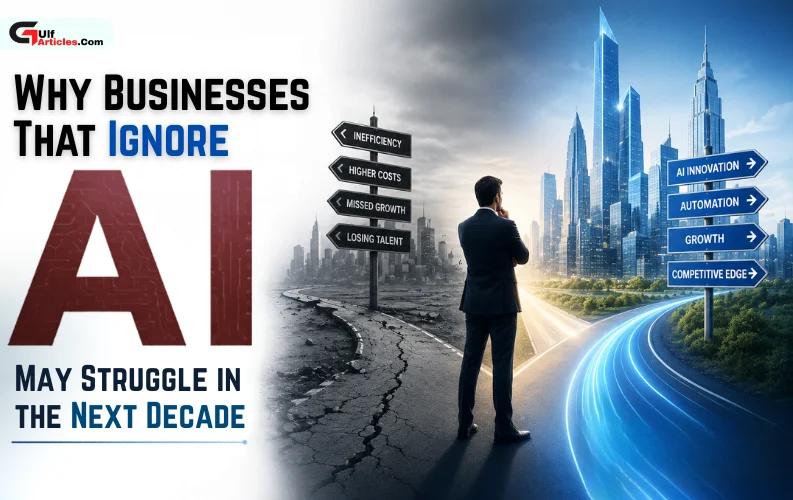
For businesses, the message is clear: AI is no longer an optional innovation initiative. It is becoming a strategic capability that can influence competitiveness across virtually every industry.
Organizations are using AI to improve decision-making, automate routine tasks, enhance customer experiences, optimize supply chains, and increase operational efficiency. Companies that delay digital transformation may find themselves at a competitive disadvantage as AI adoption accelerates.
However, successful AI implementation requires more than technology investment. Leaders must also focus on workforce development, data governance, cybersecurity, and ethical considerations to ensure sustainable adoption.
Energy Security and Supply Chain Resilience Are Critical
Recent G20 discussions have emphasized the growing importance of energy security and resilient supply chains. Global disruptions over the past several years have demonstrated how vulnerable businesses can be when supply networks become concentrated or dependent on unstable regions. Energy affordability and secure supply chains have become major economic priorities for policymakers worldwide.
Businesses have learned that efficiency alone is no longer sufficient. Resilience must also be a core strategic objective.
Organizations are increasingly diversifying supplier networks, investing in supply chain visibility, strengthening inventory management practices, and evaluating alternative sourcing strategies. Similarly, businesses are paying closer attention to energy costs and sustainability initiatives as they seek to reduce operational risks.
Key Areas of Focus for Supply Chain Resilience
-
Supplier diversification
-
Regional sourcing strategies
-
Inventory optimization
-
Supply chain technology investments
-
Risk monitoring systems
-
Energy efficiency improvements
Companies that strengthen resilience today are likely to experience fewer disruptions and greater operational stability in the future.
Trade and Global Economic Cooperation Continue to Matter
Despite increasing geopolitical tensions and concerns about protectionism, G20 discussions continue to emphasize the importance of international trade and economic cooperation. Trade remains one of the most significant drivers of global economic growth, and policies that support open markets and efficient logistics continue to receive attention from policymakers and business leaders alike.
Businesses operating internationally should continue monitoring developments related to trade agreements, tariffs, customs regulations, and cross-border commerce. Even organizations that primarily serve domestic markets can be affected by global trade dynamics through supply chains, commodity prices, and customer demand.
Companies that maintain a global perspective are often better positioned to identify emerging opportunities and mitigate risks associated with changing trade environments.
Sustainability Is Moving from Compliance to Strategy
Sustainability has evolved from a corporate responsibility initiative into a core economic and business priority. Discussions across major economic forums increasingly focus on climate finance, sustainable investment, clean energy, and environmentally responsible growth models. Governments and international organizations are encouraging investment in projects that support long-term environmental and economic resilience.
For businesses, sustainability is becoming closely linked to competitiveness. Investors, customers, employees, and regulators increasingly expect organizations to demonstrate meaningful progress in environmental and social responsibility.
Forward-thinking companies are integrating sustainability into their business models by improving energy efficiency, reducing waste, adopting cleaner technologies, and developing more responsible supply chains.
This shift creates opportunities for innovation while also helping organizations strengthen brand reputation and stakeholder trust.
Financial Regulation and Market Stability Remain Important Themes
Financial stability remains a major area of focus within international economic discussions. Policymakers continue to monitor risks associated with rising debt levels, private credit markets, emerging financial technologies, and digital assets. Regulatory modernization efforts aim to balance innovation with financial system stability.
Businesses should recognize that evolving regulations can influence access to capital, investment opportunities, compliance requirements, and market conditions. Staying informed about regulatory developments can help organizations adapt more effectively and avoid unexpected challenges.
Companies operating in finance, technology, fintech, and digital asset sectors should pay particularly close attention to these developments because regulatory changes can significantly affect growth strategies and business models.
Preparing for a More Complex Economic Environment
Perhaps the most important insight emerging from G20 economic discussions is that business leaders must prepare for a world characterized by greater complexity and uncertainty. Economic growth is becoming more dependent on innovation, productivity, and resilience than on traditional expansion alone.
Organizations that succeed in this environment are likely to be those that remain adaptable, invest in technology, strengthen financial discipline, and maintain a long-term perspective despite short-term challenges.
Strategic Priorities for Business Leaders
-
Invest in digital transformation
-
Strengthen financial resilience
-
Diversify revenue streams
-
Monitor geopolitical developments
-
Enhance workforce capabilities
-
Build operational flexibility
-
Focus on sustainable growth
These priorities can help organizations remain competitive regardless of broader economic conditions.
Conclusion
Recent G20 economic discussions provide valuable insights into the forces shaping the global business environment. From economic growth and debt management to artificial intelligence, energy security, sustainability, and financial stability, the themes emerging from these conversations highlight both challenges and opportunities for organizations worldwide.
For business leaders, the key takeaway is that economic awareness has become a strategic necessity. The decisions discussed at international forums often influence regulations, market conditions, investment flows, and competitive dynamics long before their effects become visible in day-to-day operations.
Organizations that stay informed, remain adaptable, and align their strategies with emerging economic priorities are often better positioned to navigate uncertainty and achieve sustainable long-term growth. In an increasingly interconnected world, understanding the insights emerging from G20 discussions can provide a valuable advantage for leaders seeking to build resilient and future-ready businesses.
Read more:














Comments 0
No comments yet. Be the first to share your thoughts.
Leave a comment
Your email is never published. All fields are required.