


Diesel prices have surged across the United States and Europe as attacks on major refineries, depleted inventories and continuing disruption to key energy shipping routes intensify concerns over global fuel supplies.
U.S. ultra-low-sulfur diesel futures jumped 7.4% to $4.19 a gallon on Monday, marking their biggest one-day increase since mid-July. In Europe, diesel refining margins climbed by nearly 10% as traders reacted to tightening availability of refined petroleum products.
The sharp move shows that pressure in energy markets is increasingly shifting beyond crude oil itself.
While crude prices have also risen, diesel has moved faster as traders focus on the availability of finished fuels needed for trucking, agriculture, manufacturing and other major industries.
Refinery attacks tighten supply
The latest price rally followed fresh disruptions at refineries in Russia and Saudi Arabia.
A Ukrainian attack affected a refinery in Russia’s Tatarstan region, adding to the pressure on the country’s refining system after repeated strikes on energy infrastructure reduced fuel production and exports.
Saudi Arabia’s Jazan refinery, which has capacity of roughly 400,000 barrels per day, has also remained offline following attacks claimed by Yemen’s Iran-aligned Houthi movement.
The refinery had been shut since July 27, and its expected restart has now been pushed back to around August 30, according to reporting cited by Reuters.
Every extended refinery outage removes potential supplies of diesel, jet fuel and other petroleum products from a market where inventories are already unusually tight.
U.S. diesel inventories hit three-decade seasonal low
The United States is particularly vulnerable to additional supply disruptions because distillate inventories are at historically low seasonal levels.
U.S. distillate stocks, which include diesel and heating oil, fell to approximately 107.2 million barrels in the week ending July 31, their lowest level for this point of the year in roughly three decades.
Government data also showed distillate inventories falling by about 3.5 million barrels during that week, leaving supplies well below normal seasonal levels.
The U.S. Energy Information Administration has previously warned that low distillate inventories increase the risk of sharp price movements when supply disruptions occur, particularly during periods of heavy agricultural or winter heating demand.
That sensitivity is now becoming visible in futures markets.
Russia curbs fuel exports
Russia’s efforts to protect its own domestic fuel market are adding further pressure to international supplies.
Moscow introduced tighter restrictions on diesel exports after Ukrainian strikes damaged refinery infrastructure and contributed to shortages and higher domestic fuel prices.
Russian seaborne petroleum-product exports dropped 33% month-on-month in July, reflecting lower refinery output and tighter export controls.
Reuters reported that Russia has extended restrictions on gasoline and diesel exports into January 2027, although some exemptions and potential easing measures may apply.
Reduced Russian exports are particularly significant for diesel markets because the country has historically been an important supplier of middle-distillate fuels to international buyers.
Hormuz disruption adds another layer of risk
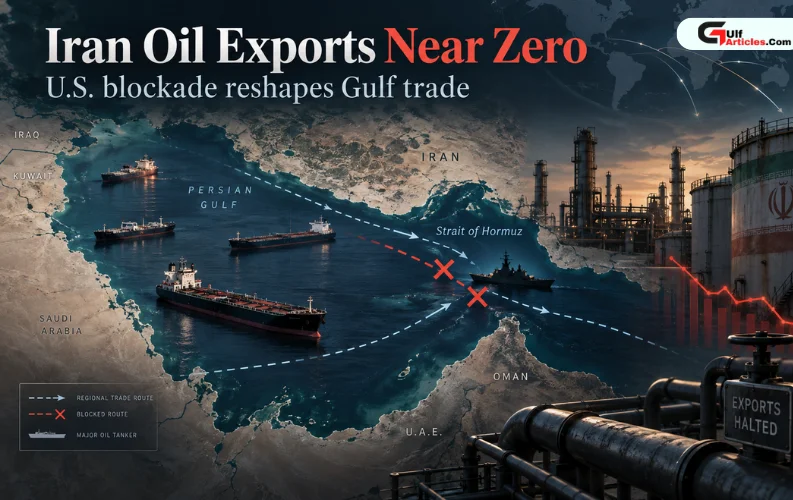
Fuel markets are also being affected by the continuing disruption around the Strait of Hormuz, one of the world’s most important energy transportation corridors.
Uncertainty over when normal shipping can resume has restricted flows of crude oil and refined petroleum products and increased costs for companies moving energy cargoes through the region.
Oil exports through the strait fell to about 3 million barrels per day in the week ending August 7, down from 4.4 million barrels per day in the previous week, according to Barclays figures reported by Reuters.
Security concerns around both Hormuz and the Red Sea have also increased insurance and transportation costs for shipping companies.
The combination of disrupted sea routes and refinery outages means that even available crude oil may not easily translate into enough diesel and other finished fuels where they are needed.
Diesel rises faster than crude
That distinction helps explain why diesel prices can surge even when crude oil moves by a smaller percentage.
Refineries must process crude into usable products such as diesel, gasoline and jet fuel. When refining capacity is damaged or taken offline, supplies of those products can become scarce even if enough crude remains available globally.
Brent and U.S. crude prices climbed more than 5% on Monday as uncertainty surrounding the U.S.-Iran dispute and the Strait of Hormuz continued. Brent remained near $87.81 a barrel on Tuesday, while West Texas Intermediate traded around $82.20.
Diesel’s sharper rally indicates that traders are assigning an additional premium to the shortage of refining capacity and finished products.
Higher diesel costs could spread through the economy
A sustained diesel shortage could have consequences well beyond fuel stations.
Diesel powers much of the global trucking industry and is widely used by agricultural machinery, construction equipment, industrial operations and freight networks.
Higher fuel costs can therefore raise the expense of moving food, manufactured products and raw materials, potentially feeding into broader consumer inflation.
Agriculture is particularly exposed because elevated diesel prices can increase costs during planting and harvesting seasons.
The current squeeze leaves markets vulnerable to further disruptions.
With U.S. inventories already unusually low, Russian exports restricted, Saudi refining capacity disrupted and major Middle Eastern shipping routes under pressure, even a relatively small additional outage could trigger another sharp price move.
For consumers and businesses, the key issue is no longer simply where crude oil prices are heading.
The growing risk is that diesel and other refined fuels remain expensive even if crude markets eventually stabilise, turning refinery shortages into a broader transportation and industrial cost shock.
You may also like that news:-














Comments 0
No comments yet. Be the first to share your thoughts.
Leave a comment
Your email is never published. All fields are required.