

Oil prices continued to decline on Friday, extending losses for a third consecutive session as signs of alternative supply routes eased some concerns over disruptions in the Middle East.
Brent crude futures fell about 1% to $103.77 a barrel, while U.S. West Texas Intermediate (WTI) slipped to $100.88. Both benchmarks had already dropped roughly 1% in the previous session.
Despite the decline, oil remains above the psychologically important $100-a-barrel level, reflecting continued uncertainty around the region's supply outlook.
Alternative Routes Ease Supply Fears
One reason behind the latest decline is growing confidence that Gulf producers can find alternative ways to move crude to customers.
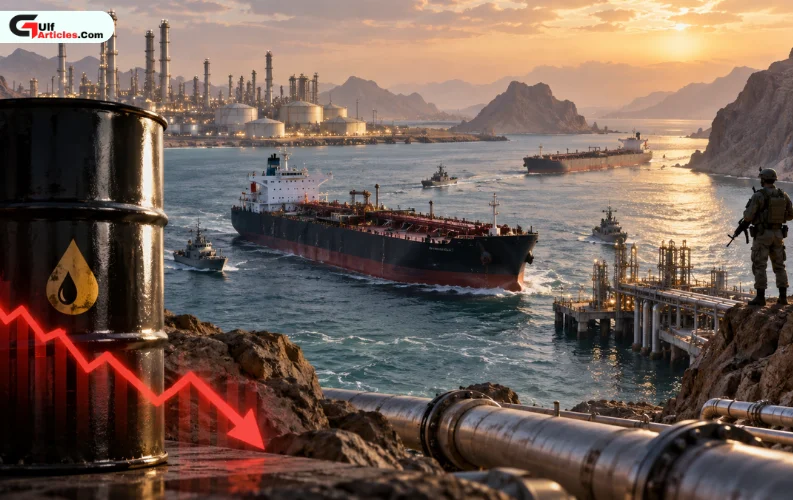
Saudi Arabia has been offering additional crude cargoes to Asian refiners through ship-to-ship transfers near Oman’s Sohar port. The arrangements are designed to keep oil moving despite disruptions affecting traditional export routes.
The alternative system does not completely eliminate the risks around the Strait of Hormuz, but it has helped reduce fears of an immediate and severe shortage of physical crude.
Saudi Pipeline Repairs Offer More Relief
Markets have also reacted to reports that repairs are progressing on Saudi Arabia's East-West oil pipeline, which was damaged in an attack last week.
The pipeline transports crude from Saudi Arabia's eastern oil-producing region to Yanbu on the Red Sea, providing an important alternative to shipments through the Strait of Hormuz. U.S. Energy Secretary Chris Wright said oil could begin flowing through the pipeline again within days.
Satellite imagery and industry sources indicated that three pumping stations were damaged. A prolonged shutdown could affect as much as 4% of global oil supply, according to traders cited by Reuters.
Hormuz Risks Have Not Disappeared
The decline in oil prices does not mean the underlying geopolitical risks have been resolved.
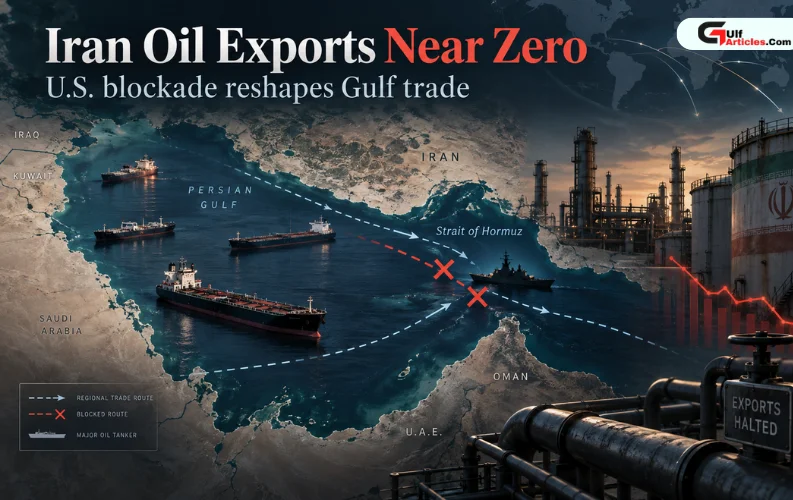
Commercial traffic through the Strait of Hormuz remains heavily disrupted, with vessel crossings well below recent averages. Reuters reported that only four commodity vessels passed through the strait on Thursday, compared with a 10-day average of 16.
The waterway is particularly important for global energy markets because of the huge volumes of oil and gas that normally move through it.
Iran's Revolutionary Guards Navy also said a Togo-flagged oil tanker was struck while attempting what Iranian state media described as an “illegal passage” through the strait, adding to concerns surrounding commercial shipping.
Oil Had Climbed Above $100 Earlier This Week
The latest pullback follows a powerful rally that pushed crude to roughly $110 a barrel earlier in the week.
The increase was driven by worries that attacks on energy infrastructure and disruptions to shipping could remove significant supplies from global markets. The possibility of a prolonged shutdown of Saudi Arabia's East-West pipeline added further pressure.
Friday's decline suggests traders are becoming somewhat more confident that logistical workarounds can prevent the worst supply scenarios, although the situation remains highly sensitive to new attacks.
Market Outlook Remains Uncertain
The oil market is now caught between improving logistical options and continuing geopolitical risks.
On one side, Saudi Arabia is trying to maintain deliveries through alternative shipping arrangements, while repairs to the East-West pipeline could restore additional export capacity. On the other, the Strait of Hormuz remains unstable and fighting involving Saudi Arabia, Yemen's Houthis and Iran continues to threaten regional infrastructure.
JPMorgan said it currently has no clear baseline view for the oil market, underscoring how difficult it is to assess prices while the conflict and supply disruptions remain unresolved.
Oil Stays Above $100 Despite the Drop
For consumers and businesses around the world, Friday's price decline provides only limited relief.
Brent at around $103.77 and WTI near $100.88 remain substantially higher than before the latest escalation in Middle East tensions. Prolonged prices at these levels could continue to raise fuel, transportation and production costs while adding pressure to inflation.
For now, the market is responding to signs that alternative supply routes can keep some Gulf crude flowing. But with Hormuz traffic still severely restricted and regional attacks continuing, another major disruption could quickly send oil prices higher again.
You may also like that news:-