Business
09 Apr 2026
For many founders, the third year of business is quietly reassuring. The company has survived its most fragile phase. Revenue is consistent. Clients return. Cash is moving, even if imperfectly. From the outside, the business appears stable, perhaps even successful. Internally, however, this period is often when the foundations begin to weaken.
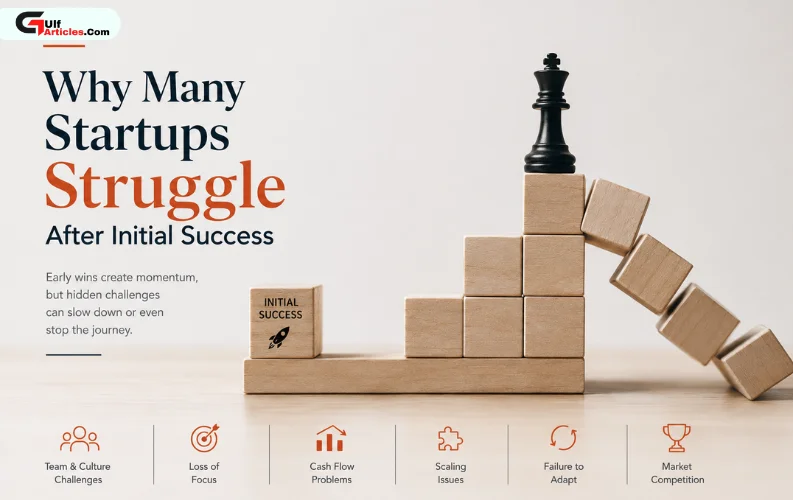
Contrary to popular belief, businesses rarely fail because they never achieved profitability. They fail after profitability, when early urgency fades and complexity increases faster than capability. The first three years are about survival. What comes after is about endurance—and the demands of endurance are far less forgiving.
The businesses that collapse at this stage are not reckless or poorly conceived. They are often well-intentioned, hard-working, and outwardly functional. What kills them is not a single mistake, but a slow misalignment between how the business operates and what its new scale requires.