

Behind a successful business transformation, a growing enterprise, or a new technological solution, there is often a professional who has spent years understanding a problem that others have learned to work around. It might be an inefficient system, a gap in the market, a difficult business decision, or an opportunity that requires someone to think beyond established practices. The executives featured in this edition have encountered such challenges in different ways, drawing on their experiences to develop solutions, strengthen organisations, and create opportunities within their respective industries.
Their professional journeys span technology, cybersecurity, artificial intelligence, finance, healthcare, education, legal services, recruitment, and international business. Some have built companies after decades of working within established industries, while others have progressed into leadership positions through technical expertise, commercial experience, and a willingness to take on greater responsibilities. From Dubai and Riyadh to international markets connected with the region, their stories reflect the diverse professional backgrounds and perspectives contributing to the Middle East's business landscape.
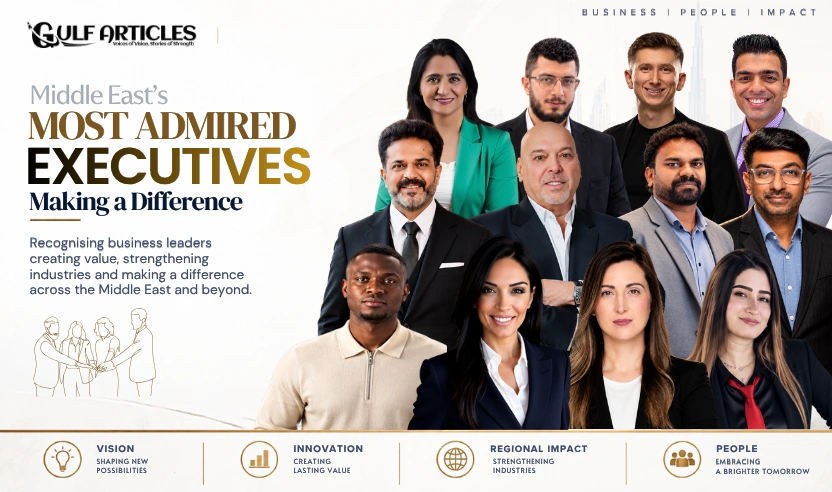
GulfArticles proudly presents “Middle East’s Most Admired Executives Making a Difference,” a special feature recognising 12 professionals whose careers offer distinct perspectives on leadership and meaningful contribution. Beyond their professional milestones, their stories explore the decisions that shaped their journeys, the challenges they have navigated, and the approaches they are taking to improve business practices, develop partnerships, and support growth.
Through these individual profiles, readers will discover how professional experience can become the foundation for new ideas and meaningful progress. Whether introducing technology into established processes, strengthening relationships across industries, or helping organisations navigate change, each executive brings a different perspective on what it means to make a difference.
Kayode Faturoti

The most effective technology often works quietly in the background. It removes complexity, connects moving parts, and gives people more time to focus on what matters. For Kayode Faturoti, this idea has shaped a career spanning software engineering, product development, financial technology, artificial intelligence, and, more recently, hospitality in Dubai.
Raised in Nigeria, Kayode developed an early interest in understanding how technology could remove friction from everyday life. Over time, that curiosity evolved into a practical philosophy toward building products: stay close to the problem, keep the solution simple, and create systems capable of scaling without losing sight of the people they are ultimately designed to serve.
That philosophy has accompanied him across industries and markets. After years of building technology products in Africa, Kayode brought his experience to the Gulf’s fast-evolving hospitality landscape. In 2024, he co-founded Homevy, a technology-enabled holiday-home management company in Dubai.
The opportunity came with a complex operational challenge. Property owners wanted stronger returns, greater transparency, and dependable management of their assets. Guests, meanwhile, expected responsive support, consistency, convenience, and the comfort associated with a professionally managed home. Connecting those expectations required much more than simply listing properties. Behind each stay were pricing decisions, housekeeping schedules, maintenance requirements, property access, guest communication, and regulatory obligations.
As Homevy’s Chief Technology Officer, Kayode took responsibility for connecting these moving parts through technology. He led the development of the company’s guest and property-owner applications, internal operations dashboard, smart-lock integrations, and dynamic pricing systems. Together, these tools support Homevy’s team in managing listings, guest communications, housekeeping, maintenance, pricing, and compliance for property owners.
The results demonstrate how that combination of technology and operational discipline can translate into growth. Within its first 12 months, Homevy expanded to 50 luxury properties, while its portfolio recorded occupancy rates ranging from 91.97% to 95.52% during peak months.
For Kayode, however, success is not defined solely by portfolio size or an individual performance metric. His broader objective is to demonstrate that technology and hospitality do not have to compete with one another. Well-designed systems can give hospitality teams more time to serve people, provide owners with greater visibility into their investments, and make the guest experience feel simpler and more effortless.
His approach in Dubai builds on substantial experience developing high-volume digital products in Africa. Kayode co-founded Cardtonic, which grew into a digital payments platform with more than two million registered users and over ₦100 billion in processed transaction value. He also helped engineer Breet’s automated crypto-to-cash settlement system, serving more than 500,000 verified users, and contributed to the development of Pil, a corporate spend-management platform that secured a $2.1 million seed round.
The transition from fintech to hospitality nevertheless introduced a different dimension to product building. Financial platforms place enormous importance on speed and accuracy, while hospitality additionally requires empathy, timing, consistency, and close attention to detail. In Dubai’s competitive short-term rental environment, a system cannot succeed simply because it is technically correct. It must simultaneously support property owners, operational teams, and guests from different cultures and backgrounds.
That experience has strengthened Kayode’s belief that meaningful products should be designed around real behaviour rather than assumptions. Understanding how people actually interact with a product or service is as important as the technology powering it.
The same practicality influences his leadership style. Kayode believes ideas should carry more weight than hierarchy and that titles should never prevent the strongest solution from being heard. He values detail and intentionality while maintaining the ability to move between long-term strategic thinking and the realities of daily execution.
His perspective for aspiring entrepreneurs and technology builders reflects the lessons of his own journey: begin not with technology, but with a problem worth solving. Understand that problem closely, identify what genuinely matters, measure progress, and continue improving long after the initial excitement of launching has passed. For Kayode, sustainable impact emerges when ambition is supported by disciplined execution.
Through Homevy, he is now applying those principles within one of the Gulf’s most dynamic industries. His direction remains clear: make property management more transparent, make hospitality more consistent, and use technology in a way that makes every stay feel less like a transaction and more like a home.
- LinkedIn - Kayode Faturoti
- Instagram - fattbabakay
- X - fattbabaka
Gireesh Sooryanarayanan
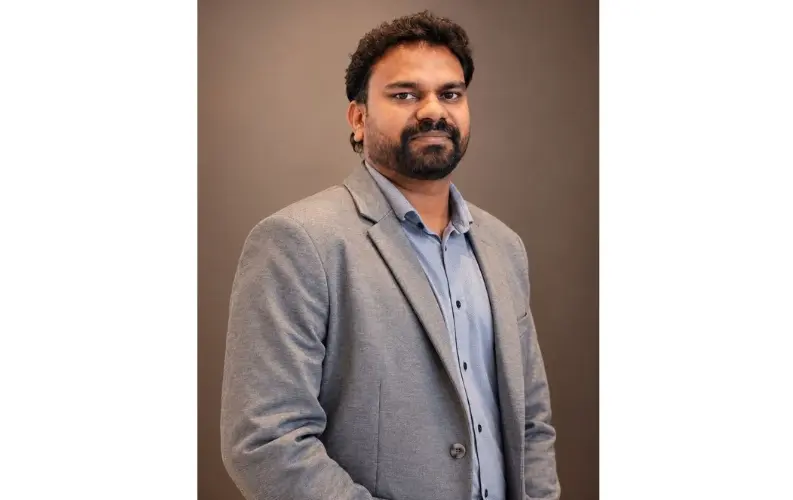
In an era when a single cyber incident can disrupt operations, compromise trust, and expose an organisation to significant business risk, technology leadership demands far more than technical expertise. It requires an understanding of what businesses are ultimately trying to protect: continuity, reputation, information, and the confidence of the people who depend on them. For Gireesh Sooryanarayanan, Co-Founder and General Manager of OAD Technologies, that understanding has developed through years of working across infrastructure, cybersecurity, healthcare technology, and demanding enterprise environments.
His journey began in Kerala, where an early interest in hospitality eventually gave way to Computer Engineering at MG University. Yet the service-oriented mindset behind that original interest remained with him. In his first professional role with CS Datamation Research Services, Gireesh worked on infrastructure assignments supporting organisations including Idea Cellular and the Employees’ State Insurance Corporation. The experience helped establish a foundation built around technical ownership, dependable troubleshooting, and the ability to execute under pressure.
A later professional chapter took him to Liberia, where limited resources and demanding operating conditions brought a different dimension to his development. Managing server deployments and network infrastructure for telecom and banking environments required more than technical knowledge. It demanded resourcefulness, accountability, and the ability to remain composed when reliability mattered most.
After moving to the UAE, Gireesh expanded his expertise across enterprise infrastructure, cybersecurity, and healthcare technology. His experience within a hospital environment further reinforced the importance of system availability and data protection, particularly in settings where technology is directly connected to essential operations.
The global WannaCry ransomware outbreak in 2017 became a defining point in how he viewed cybersecurity. The scale and consequences of the attack demonstrated that cyber risk could no longer remain confined to IT departments. For Gireesh, it had become a broader business concern encompassing operational resilience, reputation, regulatory responsibilities, and continuity.
That conviction now sits at the heart of OAD Technologies, an enterprise cybersecurity, artificial intelligence, and cloud solutions company headquartered in Dubai Silicon Oasis and serving organisations across the UAE and wider GCC. Under Gireesh’s leadership, the company focuses on helping enterprises strengthen security and resilience through cybersecurity engineering, managed security, and modern infrastructure solutions.
Its capabilities include Nexoaura™, OAD Technologies’ AI-driven managed SOC platform, alongside 24x7 security monitoring, endpoint detection and response, email security, data loss prevention, Zero Trust architecture, identity and access protection, private cloud, and hyperconverged infrastructure. OAD Technologies also holds ISO 9001, ISO 14001, ISO 27001, and ISO 45001 certifications, supporting the structured governance and operational discipline behind its services.
Yet for Gireesh, the real differentiator is not technology alone. It is the ability to connect technology decisions with the priorities of the organisation using them.
“Cybersecurity is no longer an IT problem. It is a business risk, and it belongs in the boardroom.”
This perspective defines his leadership approach. Combining technical depth with commercial understanding, Gireesh believes technology teams must look beyond products and specifications to understand what matters to management: business continuity, regulatory exposure, operational risk, cost predictability, and trust. This philosophy has helped shape OAD Technologies as a long-term managed technology and cybersecurity partner rather than simply a supplier of technology solutions.
His advice to emerging professionals reflects the same practical mindset that has guided his own career. He encourages them to own problems rather than pass responsibility, understand the customer’s business instead of focusing solely on the product, and build lasting relationships rather than pursue short-term transactions. Above all, he places considerable value on consistency.
“Whether you start in a small town in Kerala or a city in the Gulf, dependability travels further than you expect.”
Looking ahead, Gireesh aims to take OAD Technologies’ engineering-led approach beyond the Gulf while continuing to deepen its presence in sectors where security and uptime are particularly important, including healthcare, education, enterprise, and government.
From hands-on infrastructure engineering to leading a cybersecurity and technology business in Dubai, Gireesh’s journey mirrors an important shift taking place across the industry. Technology leadership today is not simply about keeping systems operational. It is about protecting the businesses, people, and relationships that rely on them.
For Gireesh Sooryanarayanan, making a difference means bringing technical capability and business responsibility together. Through OAD Technologies, that vision is captured in a clear mission: Engineering Digital Confidence.
- LinkedIn - Mr. Gireesh Sooryanarayanan
- Instagram - gireeshvsn
- Facebook - Gireesh Sooryanarayana
Stefka Bratoevska
The role of a legal leader is evolving. Technical expertise and sound legal judgement remain fundamental, but increasingly they are only the starting point. As organisations navigate technological change, regulatory complexity, cross-border growth and transformation, legal leaders are being called upon to understand the business, contribute to strategic decisions and help organisations move forward in circumstances where the answer is rarely purely legal.
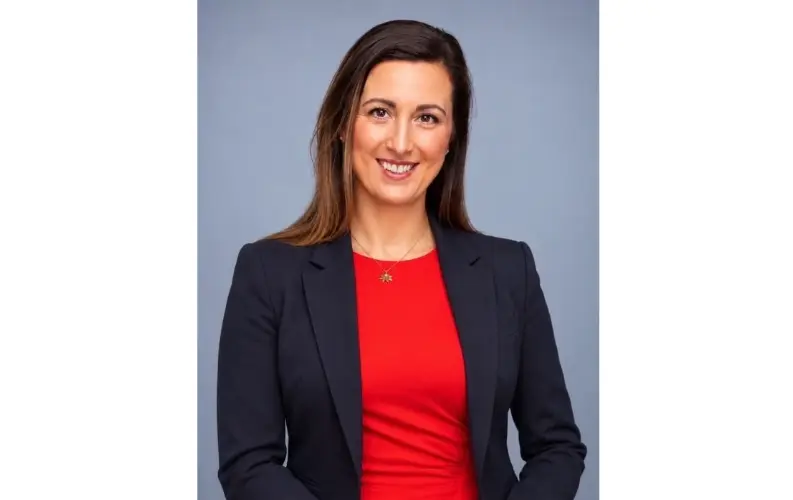
For Stefka Bratoevska, this evolution reflects a career spanning private practice, global financial institutions and more than a decade in the Gulf. An English-qualified solicitor with over 14 years of post-qualification experience, she trained at Allen & Overy before holding legal roles with J.P. Morgan, Standard Chartered, Credit Suisse and UBS. Working across London and the Middle East, and across different institutions, jurisdictions and business models, has shaped a perspective on legal leadership that extends beyond any individual role.
At its core is the belief that legal leaders need to understand what an organisation is trying to achieve. The lawyer’s role is not simply to identify legal risk or explain what cannot be done, but to understand the commercial objective, recognise the legal and regulatory parameters around it and help decision-makers find a practical and responsible way forward.
That approach becomes particularly important during periods of transformation. Stefka’s career has involved working across jurisdictions, cultures and changing organisational environments, including significant involvement in a major cross-border integration between two global financial institutions. The work brought together legal, regulatory, governance, client and operational considerations and required close collaboration across functions and geographies.
Experiences such as these reinforced a broader lesson: transformation is rarely simply about structures, processes or documentation. It is also about people, judgement and the ability to work effectively when priorities compete and circumstances continue to change. For legal leaders, this means being able to connect technical analysis with commercial reality and bring clarity to decisions involving multiple stakeholders and perspectives.
Technology is increasingly part of that same conversation. Stefka has been closely engaged with the evolving role of artificial intelligence and emerging technologies within the legal profession, combining practical involvement in legal innovation with further executive study in AI, technology and digital transformation.
Her focus is less on technology for its own sake than on the questions its adoption creates for organisations and their leaders. AI can change how information is analysed, how work is delivered and how legal teams operate. The more significant question is how those capabilities are introduced in a way that preserves judgement, accountability and an understanding of context.
This connects naturally with another important strand of Stefka’s professional development: negotiation, mediation and conflict resolution. A CEDR-accredited mediator, she has undertaken advanced training in negotiation and leadership and holds a master’s degree in Conflict Resolution from Hult International Business School.
She sees these disciplines as relevant well beyond formal disputes. Senior leaders routinely work in situations involving competing interests, incomplete information, cultural differences and strongly held positions. Being able to listen carefully, understand what is driving those positions and create the conditions for constructive dialogue can be as important in a boardroom or during organisational change as it is in a mediation room.
It is also an increasingly important capability in an international business environment. Having worked extensively across the Middle East and with stakeholders across different jurisdictions and cultures, Stefka has seen first-hand that effective leadership cannot rely on technical expertise alone. It also requires an ability to understand how people approach risk, authority, negotiation and decision-making differently, and to work productively across those differences.
Her contribution to the profession extends beyond her corporate roles. Stefka serves as a Trustee of the London Legal Support Trust, supporting its work to widen access to free legal advice for people who would otherwise struggle to obtain it. She is also a member of the Executive Committee of the Emirates Legal Network, helping connect legal professionals across the UAE through knowledge-sharing, professional development and community.
These different strands of her career — legal leadership, transformation, technology, negotiation and conflict resolution — are increasingly converging.
For Stefka, the future of legal leadership is not about moving away from the law. Technical credibility remains essential. It is about building upon it: understanding the organisation and its objectives, navigating uncertainty, facilitating better decisions and knowing when legal expertise needs to be combined with commercial judgement, technology and an understanding of people.
As organisations across the Gulf continue to grow in scale, sophistication and international reach, that broader conception of the legal leader is becoming increasingly relevant. The challenge is not simply to keep pace with change, but to help shape how organisations respond to it, while retaining the judgement, responsibility and human perspective at the heart of the profession.
- LinkedIn - Stefka Bratoevska
Sally Darazi
For Sally Darazi, sustainable growth is not simply about increasing numbers. It is about understanding people, building trust, strengthening relationships, and ensuring that every interaction contributes to a meaningful experience. This perspective has shaped more than a decade of professional experience across marketing, admissions, business development, sales, customer relations, and education, and today forms an important part of her leadership journey in Saudi Arabia.
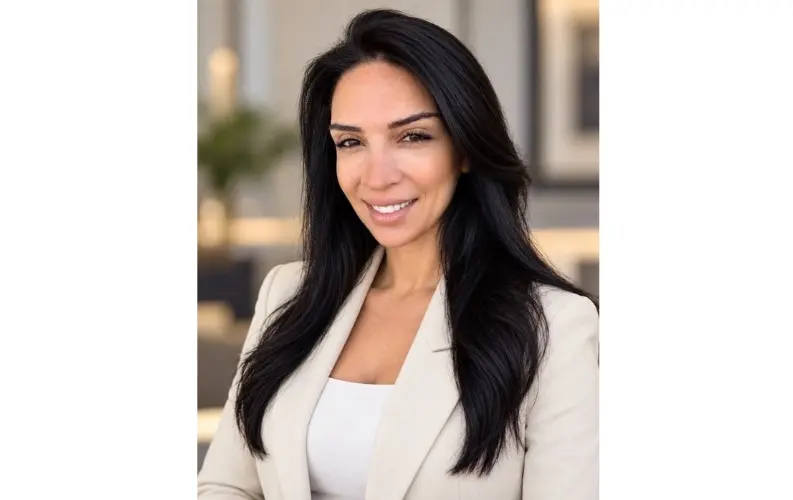
Currently serving as Marketing & Admissions Director at AlephYa Education in Riyadh, Sally leads strategic initiatives focused on enrolment growth, brand positioning, admissions, parent engagement, business development, and market expansion across multiple schools. Her role brings together several interconnected areas of institutional growth, allowing her to contribute to both strategic direction and the experience that families and students have with an educational brand.
A significant part of Sally’s work involves overseeing the full admissions journey while strengthening brand visibility and developing partnerships that support long-term growth. She contributes to student retention initiatives, identifies opportunities for market expansion, and advises senior leadership on market trends and growth opportunities. With experience spanning admissions strategy, marketing campaigns, corporate partnerships, and customer engagement, she approaches growth from multiple perspectives rather than treating each function in isolation.
This ability to connect strategy with execution has become a defining element of Sally’s professional approach. She combines data-driven decision-making with people-focused leadership, using market insights to identify opportunities while keeping stakeholder relationships central to the process. In an educational environment, this means looking beyond initial enrolment and considering how communication, parent engagement, brand reputation, service, and retention collectively contribute to sustainable institutional growth.
Her current leadership is supported by hands-on experience across Saudi Arabia’s education sector. Before joining AlephYa Education, Sally served as Head of Admissions at EtonHouse International Education Arabia. Prior to that, she spent more than two years as Business Development Manager at One World International School Riyadh. These roles allowed her to build experience across different dimensions of educational growth, from admissions and family engagement to business development and strategic relationship management.
Sally’s earlier professional experience also provided a strong commercial and customer-service foundation. During her years with Fransabank SAL in Lebanon, she worked in customer-facing roles that required relationship management, sales awareness, negotiation, service delivery, and a clear understanding of individual customer needs. She managed the opening of accounts for more than 500 customers annually while also upselling more than 50 loan products. Through active cross-selling and referrals, she additionally contributed to more than 300 insurance policy sales.
What connects the different stages of Sally’s journey is her consistent ability to balance results with relationships. Whether supporting customers, developing new business opportunities, guiding families through admissions, or contributing to wider marketing and growth strategies, she has maintained a strong focus on understanding stakeholder expectations while advancing organisational objectives. This combination of commercial awareness and customer experience has enabled her to adapt her expertise across sectors while continuing to expand the scope of her responsibilities.
Her academic and professional development further supports this multidisciplinary journey. Sally holds a Bachelor’s degree in Business Management, Business Administration and Management from Saint Joseph University of Beirut and has completed a certification in Foundations of Digital Marketing and E-commerce. She is also proficient in Arabic, English, and French, supporting her ability to communicate and develop relationships across diverse professional and cultural environments.
From building customer relationships in Lebanon to contributing to the growth of educational institutions in Riyadh, Sally’s career demonstrates a progression built on transferable strengths. Each stage has added another dimension to her leadership perspective: customer relations strengthened her understanding of service and trust, business development expanded her commercial outlook, and her work in admissions and marketing has brought these capabilities together around institutional growth and stakeholder experience.
As part of GulfArticles’ “Middle East’s Most Admired Executives Making a Difference,” Sally Darazi’s journey highlights a leadership approach where business growth and human connection are not competing priorities, but complementary ones. Through her work across marketing, admissions, and business development, she continues to focus on strengthening brands, deepening stakeholder relationships, and creating sustainable opportunities for growth within the education sector.
- LinkedIn - Sally Darazi
Subin Subrahamanian
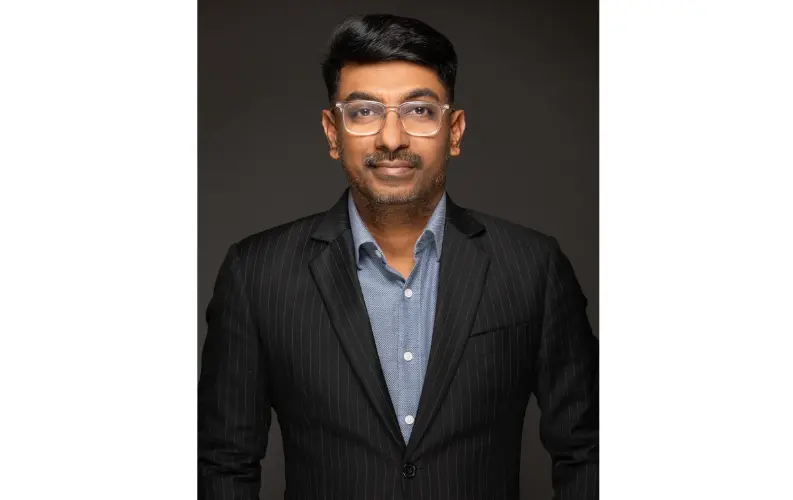
For Subin Subrahamanian, a journey that began in Guruvayur, a small temple town in Kerala, has grown into an international finance career spanning the Gulf and Europe. Growing up with fewer opportunities, limited exposure, and few obvious routes into global business did not limit his ambition. He dreamed big, worked steadily toward his goals, and learned to treat each challenge as an opportunity to grow. Today, that journey also reflects a leadership philosophy built around clarity, continuous learning, and helping others succeed.
Subin began his professional journey in November 2002 after building his academic foundation with an MBA in Finance from MSRIT. His commitment to continuous development later led him to earn the Certified Associate in Project Management (CAPM) qualification from PMI, the Certified Corporate Financial Planning & Analysis Professional (FPAC) credential from AFP, and the Financial Modeling & Valuation Analyst (FMVA) certification from CFI. Executive education in Sustainability Leadership and Corporate Responsibility at London Business School further expanded his perspective on responsible and long-term value creation. Today, already serving as a Regional CFO, he continues that learning journey through the CFO Program at IIM Calcutta.
A defining chapter of his career was his more than 18 years with Nissan. Across commercial finance, FP&A, project management, cost control, aftersales finance, and regional transformation, Subin developed an understanding of how financial decisions influence the wider organization. His regional exposure covered Africa, the Middle East, India, Europe, and Oceania.
As a founding member of the AMIO regional finance team, he helped build regional FP&A, aftersales, and G&A finance functions, along with the operating models, governance structures, and performance frameworks needed to support them. When the region later merged with Europe to form the larger AMIEO region, his transformation responsibilities expanded across approximately 35 to 40 legal entities within a US$14 billion business. He subsequently spent nearly four years in France as Regional Head of FP&A Transformation for AMIEO, including Europe.
His work also delivered measurable outcomes. Among his contributions were recovering non-compliant dealer incentive payments, improving aftersales margins by 4 to 5 percent, and optimizing procured-services expenditure by US$ 8 to 10 million. He also established a regional cost control framework covering a US$ 250 million cost base, strengthening spending discipline, transparency, and management oversight.
Equally important was making information useful when decisions still had time to influence results. Through standardization, automation, and a common reporting platform, Subin helped move the regional reporting cycle from working day seven to working day five, giving management two additional days to understand performance and respond. A regional risk and opportunity framework further shifted conversations toward growth opportunities and mitigation actions rather than explanations after the fact.
These experiences reinforced a principle that continues to guide him: transformation begins with clarity. Whether working on finance harmonization, ERP improvements, planning systems, or data analytics, Subin believes technology creates meaningful value only when processes, definitions, responsibilities, and ownership are clear.
His years leading transformation across diverse markets also demonstrated that systems alone never deliver sustainable change. Different practices, priorities, cultural expectations, and local realities require leaders to listen, build trust, and explain why change matters. With his teams, Subin stays close, provides guidance, and encourages ownership so people understand how their contribution connects to wider business goals. For him, regional consistency works best when it respects the realities of individual markets.
In 2026, Subin returned to Dubai to be closer to his family, bringing his Nissan journey to a natural close and opening the door to a broader leadership role. Today, as Regional CFO – Middle East at Harp Middle East, part of Groupe Gazechim, his remit extends beyond traditional finance to include finance and control, supply chain and operations, and administration. His priorities include stronger governance, improved cash and working-capital visibility, disciplined forecasting, and practical systems that support growth.
Throughout his career, one view of finance has remained constant: reporting what has happened is only the starting point. Finance earns its place in strategic decision-making when it helps leaders understand what comes next, navigate complexity with confidence, and strengthen accountability.
For aspiring professionals, Subin’s journey offers equally practical lessons: dream big but do the work, understand the business beyond the numbers, communicate clearly, keep learning, protect integrity, and develop people who can confidently take ownership. His own progression from Guruvayur to regional leadership across the Gulf and Europe demonstrates that where a career begins does not have to determine where it can go.
That philosophy extends beyond the workplace. Cricket and badminton have reinforced his appreciation for teamwork, resilience, and collective responsibility. One particularly meaningful experience was helping transform a 30-member cricket squad from tennis-ball cricket into a competitive leather-ball team and captaining it to its first 50-over championship.
Across regional boardrooms, finance functions, transformation programs, and the cricket field, Subin Subrahamanian measures meaningful leadership not simply through individual achievement, but through stronger systems, more capable teams, better decisions, and the confidence created in others to carry progress forward.
- LinkedIn - Subin Subrahamanian
Yashwant Verma
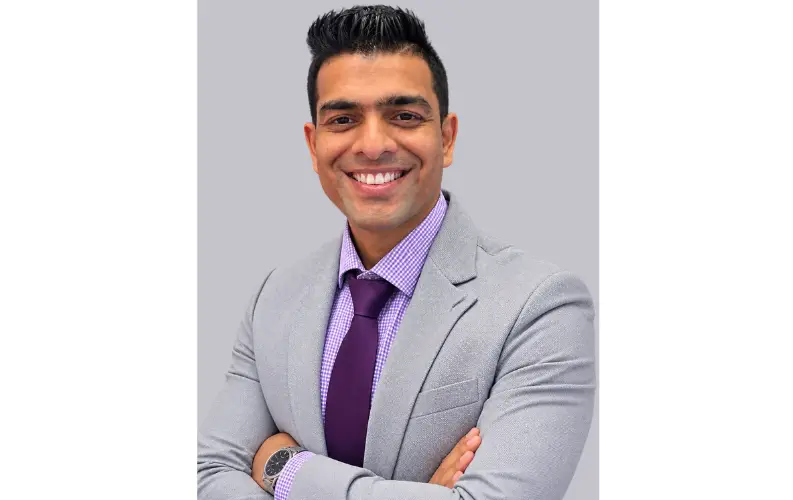
Eight years ago, a setback in Yashwant Verma’s recruitment career could have pushed him away from the industry. His performance and KPIs were not meeting expectations, and he was let go from the company he worked for. Instead of allowing the experience to define what came next, he accepted the feedback, learned from it and turned it into motivation. Today, as Founder and CEO of Prime Choice HR Consultancy, that chapter reminds him how much can change when setbacks become opportunities to grow.
Yashwant’s journey began in a small village in India, where he grew up in a farming family and attended a government school. While pursuing his Bachelor’s degree in Information Technology, he began thinking about an MBA and imagining a future in which he could gain professional experience and eventually build something of his own.
That ambition took him to the United Kingdom to pursue an MBA in International Human Resource Management at Coventry University London. While studying, he supported himself through part-time outdoor sales, selling SIM cards and calling vouchers on the streets of London. Approaching strangers initially felt uncomfortable, and rejection was frequent, but the experience gradually strengthened his confidence. He learned to listen, adapt and approach every new conversation with fresh energy, an early lesson in persistence that would remain relevant throughout his career.
After completing his MBA, Yashwant returned to India and worked for around three years before moving to the UAE. He began his UAE career as a Sales Executive with a manpower outsourcing company, combining his interest in human resources with his growing commercial experience.
Cold calling brought another test. Prospective clients often had little time to speak or were simply uninterested, and repeated rejection could affect his confidence. Yet persistence eventually turned conversations into relationships and relationships into opportunities. Some organisations that initially declined his services became clients two or three years later.
Across 13 years of professional experience, including a decade in the UAE recruitment industry, Yashwant has partnered and worked with more than 200 organisations across diverse industries in the GCC and Middle East. His career across HR, recruitment, sales, business development and management exposed him to both winning assignments and taking responsibility for their successful delivery. Each organisation and role contributed lessons that gradually shaped his approach to business.
After entering self-employment as a Managing Partner in 2023, Yashwant took the next significant step in August 2025 by founding Prime Choice HR Consultancy. His objective was to bridge the gap between employers and candidates through an approach centred on transparency, ethical practices, cultural fit and lasting relationships.
Established as a boutique executive search consultancy, Prime Choice supports businesses with mid-level, senior and executive recruitment across multiple industries, including niche, complex and hard-to-fill positions. Its services also include market and talent mapping, salary surveys and benchmarking to help clients make informed hiring decisions. Yashwant’s focus is not simply on filling vacancies, but on understanding the business behind each requirement while considering the expectations and aspirations of the professionals involved.
Building the company from scratch as a self-funded solo founder required him to manage client acquisition, recruitment delivery, negotiations, administration and follow-ups while competing with established agencies. Regional conflict and periods of uncertainty also slowed hiring decisions, reinforcing the importance of adaptability, consistency and maintaining relationships even when results were not immediate.
That persistence has translated into measurable business performance. Prime Choice completed its first year as a profitable business, recording a 56.5% net profit margin and a 70% closure rate, with 86% of its revenue generated through repeat clients. For Yashwant, repeat business carries particular significance because it represents clients choosing to place their trust in the company again.
His industry recognition has grown alongside the business. Atlas and Hoxo ranked him 62nd among the Top 100 Recruitment Leaders in Asia in January–February 2026, followed by recognition among the Recruitment Voices in July–August 2026. Prime Choice has also earned a five-star Google rating.
Yet Yashwant views impact beyond numbers. Many professionals placed through Prime Choice have subsequently received promotions or progressed into leadership roles. Seeing those careers develop reinforces his belief that successful recruitment can create value long after a placement is completed.
Empathy, compassion and stewardship remain central to his leadership philosophy. He believes lasting matches require understanding candidates’ circumstances and aspirations alongside employers’ expectations and organisational culture. “For me, results are a by-product of the process. I cannot control every outcome, but I can control my effort, discipline and how I work,” he says.
Looking ahead, Yashwant aims to make Prime Choice HR Consultancy the region’s most trusted boutique HR consultancy while expanding across the GCC, Middle East and Asia. He also wants to build an organisation where people can grow, take ownership and become leaders themselves, while mentoring aspiring recruiters and sales professionals. His longer-term aspirations include adopting environmentally responsible business practices, supporting broader ESG and net-zero goals, and contributing to society through philanthropy.
From a government school in a small Indian village to street sales in London, recruitment challenges in the UAE and eventually entrepreneurship, Yashwant’s path has rarely been linear. Through Prime Choice HR Consultancy and its motto, “Building Teams, Shaping Leaders,” he is turning those experiences into a business focused on helping organisations build stronger teams and professionals move forward in their careers.
“This is just the beginning. There is still a long way to go and much more to achieve,” he says. “Not every decision works out as planned, but I try to learn from my mistakes, adjust my strategy and keep moving forward.”
-
LinkedIn - Yashwant Verma / Prime Choice HR Consultancy
-
Website - Prime Choice HR Consultancy
Adrian Ornawka

At 19, Adrian Ornawka had a telephone, a copy of the Yellow Pages and a challenge that required considerably more confidence than experience. Fresh out of high school in Dębica, a small town in south-east Poland, he began selling insurance and retirement plans to prospects who were often nearly three times his age. Convincing people in their fifties to discuss their finances with a teenager was never going to be easy. Yet those early cold calls became an unlikely training ground for a career that would eventually take him across European financial centres and into the C-suite in Dubai.
There was no shortcut to earning credibility. Every meeting had to begin with a call, and every conversation presented the possibility of rejection. Ornawka quickly discovered that financial services were not simply about presenting a product. People were more willing to discuss their money when they felt heard, understood and confident in the person sitting across from them.
Learning to listen before speaking, build trust and respond constructively to rejection became practical lessons that stayed with him as his responsibilities grew. Rather than viewing unsuccessful conversations purely as setbacks, he learned to examine them for what they could teach him. As he puts it, “Good, bad or ugly, there is always a lesson.”
That mindset accompanied Ornawka into increasingly sophisticated areas of financial services. In 2013, he entered the FX industry as an Account Manager at IronFX in Warsaw, where he built a client portfolio from scratch, educated clients about CFD trading and developed relationships with introducing broker partners.
His entrepreneurial side soon emerged when he co-founded Forex na plusie, developing algorithmic trading systems and launching PAMM accounts. The next chapter took him from Poland to Limassol, Cyprus, where he joined FXTB and built a portfolio of active traders representing more than €7 million in deposits.
As his career developed, his focus increasingly shifted from retail towards institutional business. At DV Chain, a Chicago-based market maker, Ornawka worked with B2B clients on spot cryptocurrency liquidity for OTC trading desks. He later joined Match-Trade Technologies and Match-Prime in Limassol before relocating to Dubai, gaining experience across brokerage technology, liquidity services and crypto payments.
In September 2026, Ornawka became Chief Commercial Officer at Evenox, an institutional liquidity provider. The appointment represents more than another step in his career. It reflects a progression built through deliberate exposure to increasingly complex commercial environments, from cold-calling individual prospects to navigating relationships and opportunities within institutional finance.
Learning has remained an important part of that progression. Ornawka earned the CISI Level 3 Award in Risk in Financial Services, passed the CySEC Advanced Examination and completed a University of Nicosia certificate in Blockchain and Digital Currencies. He is also an Associate of the Chartered Institute for Securities & Investment (ACSI) and regularly shares his perspectives on liquidity and B2B sales through LinkedIn.
Away from financial markets, another discipline has shaped his approach to professional life: sport. Morning training forms part of his daily routine, while boxing offers lessons that he also connects with business and negotiation. “Sport gives you discipline,” he says. “Especially when you do the hard things in the morning, before your day has really started.”
For Ornawka, consistency matters more than isolated bursts of effort. “We are what we repeat. Being good at something isn’t a one-time action. It’s a habit.” It is a philosophy that connects the teenager making difficult cold calls with the executive operating today in institutional financial services.
Dubai has become a fitting setting for the latest stage of that journey. Recognising the UAE's growing importance as a financial hub, Ornawka further aligned his knowledge with the market by passing CISI examinations covering UAE Financial Rules and Regulations. His relocation brought together years of European experience, institutional relationships and knowledge of financial technology within a market attracting brokers, technology companies and international financial professionals.
For an executive whose career began by learning how to earn a stranger's attention over the telephone, progress has been built less around shortcuts than repetition, adaptability and continuous learning. From Dębica to Warsaw, Limassol and ultimately Dubai, each stage has added another layer to his understanding of clients, markets and commercial relationships.
Adrian Ornawka's journey offers a particularly practical perspective on making a difference in a demanding industry: listen carefully, learn even when things do not go your way, keep developing your knowledge and build habits strong enough to withstand pressure. The distance from a teenager working through the Yellow Pages to a C-suite role in Dubai may be considerable, but in his case, it has been covered one disciplined step at a time.
- LinkedIn - Adrian Ornawka
- Website - Evenox
- Instagram - aornawka
Sabu John Bosco
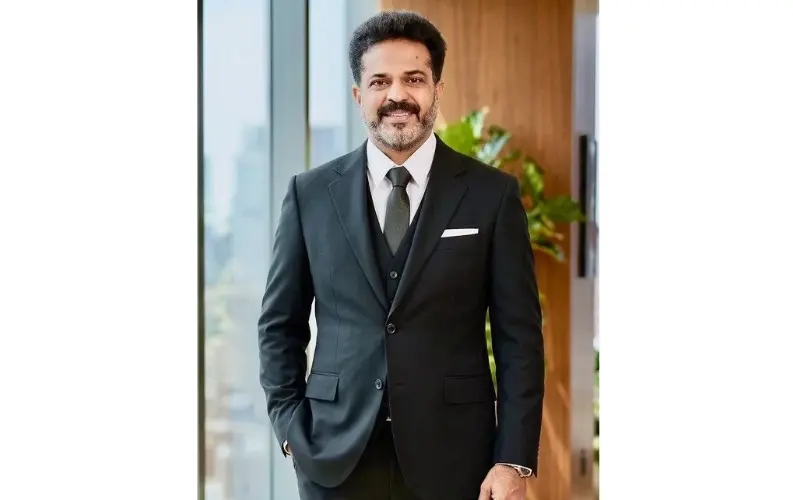
For more than thirty years, Bosco Sabu John has watched enterprise software from the inside. He has seen it on the desks of finance teams, HR departments, plant managers, and facility supervisors across Dubai and Sharjah, and on projects in Saudi Arabia, Oman, Qatar, Bahrain, Malaysia, India, and Russia. And he has seen the same thing happen again and again: people bending their work to fit the system, instead of the system fitting their work.
That frustration is where KreupAI began.
Bosco’s career started with code. With an MCA in Computer Programming from Alagappa University, he cut his teeth on FoxPro, Visual Basic, and SQL Server, later working deeply with Oracle and PL/SQL. As the industry moved on, so did he, into the analytics era of Power BI, Tableau, and Qlik Sense. That habit of staying current with each new wave of technology would prove to be the thread running through his whole career.
Over 30 years in the UAE, he moved into IT leadership and took on some of the heaviest lifting in enterprise technology. He implemented Baan IV and Infor LN, and evaluated Salesforce, Microsoft Dynamics, Epicor, and SAP for organisations weighing major platform decisions. Along the way, he worked with systems supporting manufacturing, finance, human resources, enterprise assets, facilities, safety, retail, and CRM.
Few people get to see that many corners of a business, or that many ERPs up close. Each one taught him something about where software helps and where it simply gets in the way. The lesson he took from all of it was simple: technology earns its place only when it removes friction that real people actually feel.
For most of his career, the question was how to make rigid systems a little less rigid. Configure more. Customise more. Train users harder.
Then AI arrived, and the question changed. Bosco stopped asking how to make software easier to tolerate and started asking what software could do if it genuinely understood the work. Could a maintenance platform predict an equipment failure instead of logging it afterwards? Could a safety system spot a pattern in incident reports before it became an accident? Could an accounting tool behave less like a ledger and more like an accountant?
He did not approach AI as a spectator. Just as he had once moved from FoxPro to SQL Server and from reports to dashboards, he went hands-on with large language models, AI coding tools, and agent frameworks, learning firsthand what they could and could not do in an enterprise setting. That experimentation shaped a conviction: AI should not be a feature bolted onto old software. It should be the foundation.
Bosco founded KreupAI Technologies LLC in the UAE to build on that conviction. As Founder, CEO, and CTO, he sits where strategy, product, and engineering meet, and he personally designs the AI agent frameworks that run underneath the company’s platforms.
KreupAI builds vertical AI operating systems: purpose-built platforms for specific industries rather than generic software stretched to fit everyone, each carrying deep domain workflows from day one.
At the heart of the portfolio are three flagship platforms, each drawing directly on Bosco’s decades in operations. FaciOS is an AI-powered facility management platform for running buildings, maintenance, and service operations, while eAMS focuses on enterprise asset management for tracking, maintaining, and getting the most out of physical assets across their lifecycle. AeroGuard SMS is a safety management system built for airports, ports, and large industrial operations.
Alongside these sits MomeOS for destinations, venues, and entertainment, as well as a wider ecosystem that includes AuraOS and ManithPro for HR and workforce mobility; RetailOS, DaftarAcc, and FinanceBPA for business and finance; SchoolOS, CampusOS, and Gurukul LMS for education; OptiForge, FabricOS, and KariluxOS for manufacturing; HealthcareOS; EventMS; and CohortaOS, AskOS, and Kollabio for agentic AI and collaboration.
The company also offers custom software development, AI and machine learning, data engineering, conversational AI, and integration with ERP and CRM platforms such as SAP, Oracle, Dynamics 365, and Salesforce, the same systems Bosco spent years implementing and assessing.
CohortaOS is perhaps the clearest expression of where Bosco’s thinking has landed. Instead of software that waits for instructions, it coordinates teams of AI agents that carry out work across a business, with options for private, air-gapped AI where data sensitivity demands it.
His AI journey also shows how KreupAI itself is built. AI is woven into how the company designs, codes, and ships, which is how a lean team can deliver a portfolio that would traditionally take many times its size. For Bosco, that is proof of the idea he is selling: when AI does the heavy lifting, software can ship in weeks rather than quarters and be adopted rather than mandated.
KreupAI works with customers across the GCC, India, and international markets and has built a multi-million-dollar project pipeline. Bosco is actively building relationships with enterprise buyers, implementation partners, and resellers across the GCC, India, Malaysia, Africa, Europe, and the United States, while engaging investors and advisors in the mid-market enterprise SaaS space.
The roadmap is ambitious: expanding the vertical suite across the GCC and international markets, bringing autonomous CohortaOS workflows into more industries, and moving toward multi-region enterprise deployments.
But talk to Bosco and the ambition comes back to something more grounded. He has lived through every era of enterprise software, from FoxPro screens to AI agents. After thirty years of watching people struggle with their systems, he wants to build ones that finally work the way people do.
- LinkedIn - Bosco Sabu John
- Facebook - Bosco Sabu John
Sana Mirza
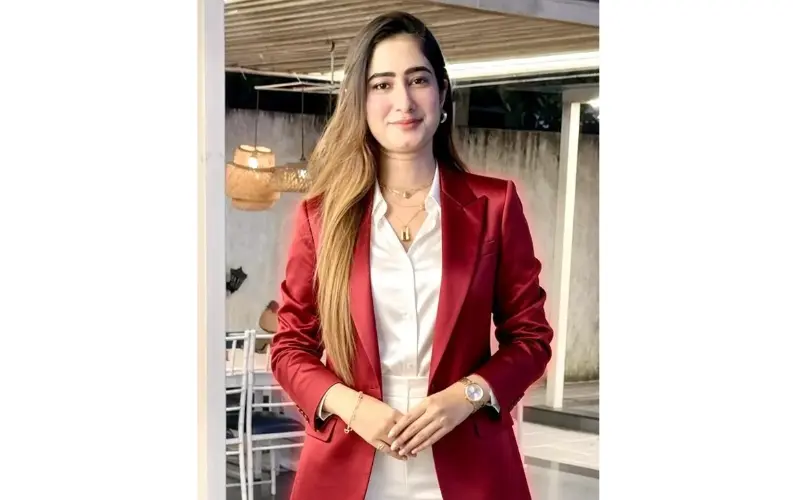
In Web3, attention is easy to attract. Trust is harder to earn. And turning relationships into sustainable business growth is harder still.
For Sana Mirza, these challenges have shaped a professional journey through some of the digital asset industry's best-known platforms and into entrepreneurship. From her early experience in customer support and operations at Binance to business development, exchange partnerships, trader acquisition, and international growth, her career has evolved alongside an industry that rarely stands still. Today, as the Founder of SM7X, Sana is working toward a broader ambition: building a global growth and partnerships ecosystem connecting crypto exchanges, trading communities, key opinion leaders (KOLs), affiliates, and brands across emerging digital markets.
Sana's professional foundation spans business development, technical support, and customer-facing operations, including experience with BYJU'S, Extramarks Education, and Wipro. These roles helped develop skills that would later become central to her work in Web3: problem-solving, communication, customer understanding, and translating complex needs into practical solutions.
At Binance, she gained experience across customer support, account and transaction issues, compliance-related processes, and team leadership before progressing into broader business development responsibilities. Working close to users and platform operations gave her an important perspective on growth. Attracting users matters, but so does understanding their needs, building confidence in a platform, and creating conditions for lasting participation.
As Sana moved into broader commercial roles, her work expanded across token listings, exchange partnerships, affiliate programs, KOL relationships, trader acquisition, and regional market development. Her professional experience includes organizations such as Coinstore, MEXC, UZX, Bybit, and WEEX. Across these environments, she developed exposure to different sides of the crypto business, from connecting blockchain projects with exchanges to developing relationships with trading communities and supporting market expansion.
These experiences also reinforced that successful partnerships require more than a large contact list. Token listings, affiliate programs, KOL collaborations, and trader acquisition each involve different commercial priorities, audiences, and performance expectations. Bringing them together requires relationship management, commercial judgment, and an understanding of how individual partnerships contribute to broader business objectives.
That understanding now sits behind SM7X, Sana's venture focused on global affiliate partnerships and growth across crypto and adjacent digital markets. The idea responds to a challenge faced by exchanges and digital businesses trying to reach relevant audiences in competitive markets without relying exclusively on conventional advertising.
SM7X is being developed around a broader partnership model connecting businesses with trading communities, creators, affiliates, KOLs, and regional audiences. Its focus extends across crypto exchanges, forex and trading communities, esports, and emerging digital platforms. Sana's professional profile describes a network spanning more than 50,000 KOLs, creators, traders, and communities. For SM7X, however, the opportunity is not simply the size of that network, but how effectively the right connections can be matched with specific business objectives.
This performance-oriented thinking reflects Sana's belief that partnerships must deliver more than visibility. Impressions and short-term attention can create opportunities, but sustainable growth depends on outcomes such as qualified user acquisition, active participation, meaningful partner engagement, and long-term commercial relationships.
Her community-building experience reinforces the same philosophy. As Head of Ambassador at WELLEX, Sana has been involved in initiatives bringing creators, KOLs, traders, and communities together around shared campaigns and engagement objectives. She views a strong community not simply as a collection of followers, but as a network whose value comes from the relevance of its members, quality of participation, and relationships developed over time.
Complementing this commercial experience is a multidisciplinary academic and professional foundation. Sana holds an MBA in Operations Management from NMIMS and a BBA in Finance from Nagpur University. Her listed certifications cover areas including analytics, anti-money laundering, cybersecurity, artificial intelligence, and machine learning, reflecting an environment where growth increasingly intersects with technology, compliance, risk awareness, and user experience.
From Dubai, Sana is now bringing these different strands together as she develops SM7X with an international outlook. In an increasingly competitive digital economy, her transition from supporting growth within established organizations to building an independent venture represents a natural evolution of the relationships and experience developed throughout her career.
With SM7X, her ambition is straightforward even if the execution is complex: connect businesses with relevant communities, build partnerships capable of lasting beyond individual campaigns, and turn relationships into measurable opportunities across markets.
In a world where attention can disappear as quickly as it arrives, Sana's next chapter is built around a different question: What can you build when the relationships behind the numbers matter as much as the numbers themselves?
For SM7X, that is the opportunity ahead.
- LinkedIn - Sana Mirza
Hussam Aljoumat
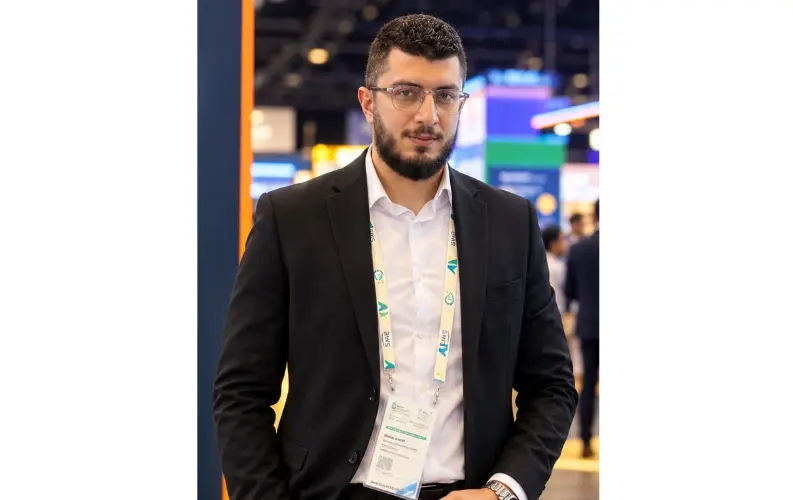
From engineering telecommunications infrastructure in Syria to leading cloud transformation and co-founding a technology company in the UAE, MHD Hussam Aljoumat has built his career around one fundamental belief: technology must create meaningful value for people and businesses.
Today, as Co-Founder and Head of Cloud Solutions at SecureWay Technologies, his vision extends beyond cybersecurity, cloud innovation, and artificial intelligence. He is also raising a provocative question about humanity’s technological future: Could the same AI revolution promising unprecedented freedom and abundance eventually create a New Age of Digital Slavery?
His journey reflects engineering, entrepreneurship, and an evolving understanding of the responsibility that comes with technological power.
With experience spanning telecommunications, financial services, cloud consulting, professional services, and managed services, Hussam has progressed from building and operating technology to shaping how organizations use it to achieve business outcomes. His leadership philosophy centers on technical excellence, strategic vision, and measurable business impact.
His foundations were built in Damascus, where he earned a Bachelor’s degree in Electronics and Telecommunication Engineering from Damascus University. At Syriatel Mobile Telecom, his work in Radio Frequency Engineering and later Network Functions Virtualization exposed him to the importance of reliability, scalability, availability, and operational discipline. As telecommunications shifted toward virtualization and software-defined infrastructure, he recognized how cloud computing and automation were beginning to transform the way organizations operate and grow.
In 2020, Hussam moved to Dubai and joined Bespin Global MEA as a Cloud Operations Engineer, transitioning into enterprise cloud computing. He contributed to establishing a Cloud Operations Center and developing managed cloud services, gaining experience across security, governance, automation, monitoring, service management, and cost optimization. This reinforced a principle central to his approach: cloud adoption is only the beginning; real transformation requires environments that remain secure, resilient, efficient, and aligned with business priorities.
At First Abu Dhabi Bank, where he served as a Senior Cloud Expert, Hussam worked across governance, security, resilience, identity management, multi-cloud migration, and cloud efficiency. Among his contributions was an infrastructure optimization initiative that achieved a 40% reduction in infrastructure costs. He also led an AWS Configuration Management Database initiative focused on infrastructure visibility and discovery.
His progression continued through iNTEL-CS, where his responsibilities expanded into business leadership. Leading Solutions Architecture, Professional Services, and Managed Services functions, he worked across AWS, Microsoft Azure, Fortinet, and related ecosystems, connecting technical delivery with customer requirements, partnerships, go-to-market strategy, and commercial growth.
In March 2026, Hussam became Co-Founder and Head of Cloud Solutions at SecureWay Technologies. Drawing on experience across engineering, banking, cloud operations, and business development, he now helps shape cloud strategy, professional and managed services, partnerships, go-to-market initiatives, and customer transformation, with a focus on modernization without compromising security or operational resilience.
That ambition is also reflected in CloudAIvo, an intelligent cloud operations and management platform developed within the SecureWay Technologies ecosystem. Bringing together infrastructure visibility, cloud operations, automation, security, and AI, its direction is focused on making complex technology environments more unified and proactive while preserving governance, transparency, and human accountability.
AI Evolution: Between Humanity’s Greatest Opportunity and a New Age of Digital Slavery
Beyond cloud transformation and entrepreneurship, Hussam raises a critical question: Will artificial intelligence liberate humanity, or could it create a new era of technological dependency and control?
While recognizing AI’s extraordinary potential in healthcare, science, and economic development, he believes the rapid advancement of intelligent robotics also presents risks that deserve greater attention. With technology leaders such as Elon Musk envisioning a future where billions of intelligent robots could perform most human jobs and potentially make traditional employment optional, Hussam questions who will ultimately own and control these systems.
“If robots produce our food, operate our transportation, manufacture our products, and manage essential infrastructure, who will control those robots—and what happens when access to them is restricted?”
He warns that traditional economic sanctions could eventually evolve into technological restrictions: AI Access Denied. Robotics Banned. Computing Infrastructure Restricted. In a highly automated world, such restrictions could affect food production, transportation, healthcare, and national economic independence.
Hussam describes this potential scenario as a “New Age of Digital Slavery,” referring to excessive technological dependency in which individuals and nations risk losing meaningful independence because essential systems are controlled by a limited number of powerful entities. His concern is not that today’s technology leaders deliberately intend such an outcome, but that concentrated technological power could create dangerous dependencies.
“The greatest danger is not that AI becomes more powerful than humans. It is that a few humans could control the AI systems upon which everyone else depends.”
He therefore believes governments and technology leaders must prioritize technological sovereignty, open standards, responsible AI governance, and broader access to advanced technologies. AI, in his view, should remain one of humanity’s greatest opportunities for progress, not become an instrument of control.
“We must ring the bell today, while humanity still has the freedom to shape tomorrow.”
Ultimately, Hussam believes technological progress should be measured not by how many jobs machines replace, but by whether innovation makes humanity more capable, prosperous, and independent. His journey from engineering to entrepreneurship similarly reflects his belief that technical expertise must evolve alongside strategic thinking, integrity, customer understanding, and responsible leadership.
As cloud computing, cybersecurity, and AI reshape the Middle East’s digital economy, his focus remains on using technology to strengthen organizations, build resilient economies, and empower people. For Hussam, humanity’s greatest technological achievement should never become the foundation of a New Age of Digital Slavery; it should create meaningful progress for businesses, societies, and humanity.
- LinkedIn - Hussam Aljoumat
- Instagram - mhdhossamaljoumat
- Facebook - Mhd Hussam ALjoumat
Paulo Paiva dos Santos
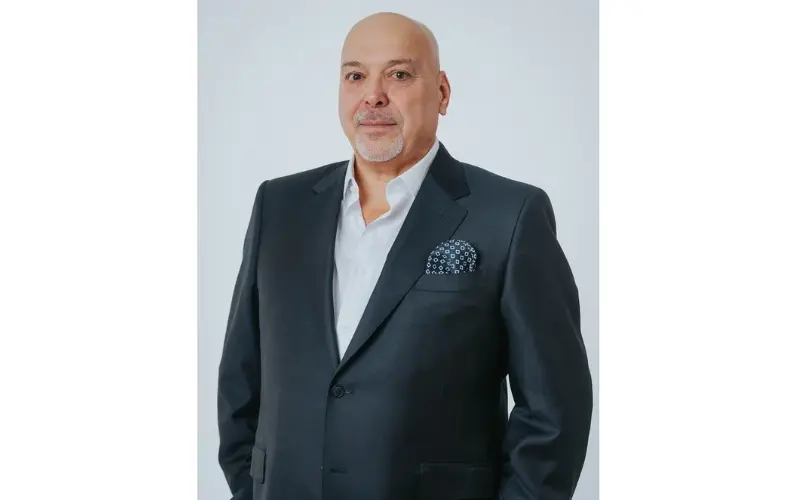
A pharmaceutical company founded in Portugal, manufacturing capabilities built in Europe, and business relationships cultivated in Dubai may appear to belong to different chapters of a career. For Paulo Paiva dos Santos, they are part of the same four-decade journey: building businesses, connecting markets, and turning experience into opportunities that extend beyond borders.
From pharmaceutical manufacturing in Portugal to healthcare partnerships and business cooperation across the Middle East, Paulo’s professional path has been shaped by entrepreneurship, resilience, and a willingness to keep evolving. Rather than remaining defined by one company or one successful venture, he has repeatedly carried his experience into new markets, leadership roles, and initiatives where it can create lasting value.
One of the most significant chapters of his career began in 2002, when he founded GENERIS in Portugal. Under his leadership, the company grew into a market leader in generic pharmaceuticals, developing a portfolio of 271 medicines and reaching approximately €80 million in annual revenue.
Yet the significance of that journey extended beyond commercial growth. Paulo contributed to the development of three pharmaceutical manufacturing facilities in Europe, including a major investment in advanced manufacturing infrastructure in Portugal. Through GENERIS and other ventures, including INVENTIS and Apogen, his work encompassed the development, manufacturing, and commercialization of hundreds of pharmaceutical products.
The acquisition of GENERIS by Aurobindo Pharma in 2017 brought an important entrepreneurial chapter to a close while demonstrating the international value of Portuguese pharmaceutical expertise. For Paulo, however, building successful businesses was never intended to be an endpoint. His career continued to evolve across markets, industries, and leadership roles.
His connection with the Middle East has become an increasingly important part of that evolution. Since establishing strong professional ties with Dubai in 2007, Paulo has worked to connect European healthcare expertise with opportunities in the United Arab Emirates and across the wider Gulf Cooperation Council.
As Founder and CEO of QANTARIS, a Dubai-based pharmaceutical trading company, he has focused on strategic partnerships, pharmaceutical market access, and international supply opportunities. This role brings together two recurring elements of his career: an understanding of the healthcare sector and an ability to identify opportunities for collaboration across borders.
His contribution to the region has also moved beyond his own businesses. As former President of the Portuguese Business Council in Dubai, Paulo worked to promote business cooperation, strengthen professional networks, and support the international ambitions of Portuguese enterprises. His involvement with the Portuguese Diaspora Council and the Portuguese-Arab Chamber of Commerce and Industry further reflects a longstanding interest in building meaningful connections between countries, institutions, and business communities.
Such a career has inevitably required reinvention. Building companies across different countries and regulatory environments involves navigating industrial investment, competition, complex market conditions, and cultural differences. Paulo’s experience has taught him that sustainable success depends not only on financial resources, but also on patience, adaptability, sound judgment, and the ability to make difficult decisions when circumstances change.
It has also shaped his view of leadership. He believes that success should not be measured exclusively through revenue or company size, but through the institutions, capabilities, people, and opportunities created along the way. Equally important is knowing when to expand an enterprise, when to transform it, and when the time has come to pursue an entirely new direction.
That perspective is increasingly influencing Paulo’s current chapter. Through executive mentoring and strategic advisory initiatives, including MERIDIUM PARTNERS, he aims to transfer decades of accumulated experience to entrepreneurs, executives, and organizations pursuing international expansion, particularly within healthcare and life sciences. His executive education at Harvard Business School and the University of Oxford complements the practical knowledge developed through decades of entrepreneurship and leadership.
His involvement in sports management and development adds another dimension to this philosophy. For Paulo, principles such as discipline, teamwork, preparation, and leadership are not confined to corporate environments. They are transferable foundations for building strong teams and pursuing meaningful goals.
When considering what the next generation of professionals should understand about leadership, Paulo returns to fundamentals: “Build something meaningful. Surround yourself with capable people, never stop learning, and understand that credibility takes years to establish but can be lost in a moment.”
He is equally clear that entrepreneurship should not become a pursuit of short-term recognition. “Success is not simply what you achieve for yourself. It is what you build, the people you develop and the opportunities you leave behind.”
For Paulo Paiva dos Santos, those words capture a career that has continually moved from one form of value creation to another. From building pharmaceutical businesses and manufacturing capabilities in Europe to strengthening healthcare and institutional connections with the Middle East, his journey demonstrates how experience can become more valuable when it is shared.
After four decades of entrepreneurship, Paulo is not looking to simply repeat what he has already accomplished. His focus is increasingly on connecting markets, guiding leaders, and turning accumulated knowledge into opportunities for others. The businesses may change and the roles may evolve, but the ambition at the heart of his journey remains remarkably consistent: to build something meaningful and create value that lasts beyond any individual company or professional title.
- LinkedIn - Paulo Paiva dos Santos
- Instagram - paulopaivadsantos
- Facebook - Paulo Paiva Dos Santos
Jozie Habib
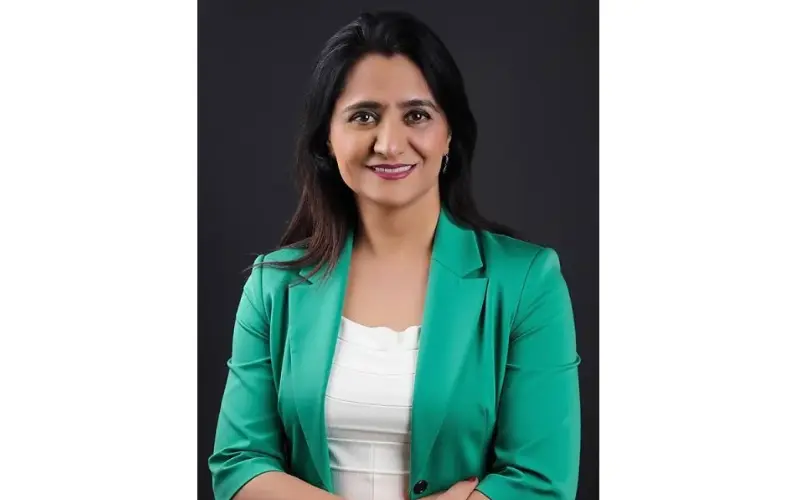
In healthcare, meaningful leadership often happens at the intersection of business strategy and a genuine understanding of the people that products and services are designed to support. Jozie Habib has built her career around this intersection, combining commercial expertise with a strong foundation in healthcare to contribute to the medical devices sector in the UAE and wider region.
Today, as CEO of Mummazone Medical Equipment and Trading LLC in Dubai, Jozie brings together strategic leadership, market knowledge, and healthcare expertise. Her work reflects a career shaped not simply by business growth, but by an understanding that sustainable progress in healthcare depends on value-driven solutions, informed partnerships, and strong relationships across the ecosystem.
Jozie has been associated with Mummazone Medical Equipment and Trading LLC since 2020, initially serving as Executive Vice President before assuming the role of CEO in June 2021. In her leadership role, she has focused on transforming operations, driving strategic growth, enhancing profitability, and advancing the company’s presence within the medical devices and capital equipment sectors. Her approach is strengthened by her professional background as an International Board Certified Lactation Consultant (IBCLC), enabling her to bring both commercial and healthcare perspectives to the organization.
Her path to executive leadership was built through years of hands-on experience in the UAE healthcare market. Before joining Mummazone, Jozie spent more than eight years with Medela Switzerland as Country Manager for the UAE. The position placed her at the center of business development, market analysis, brand building, stakeholder engagement, and the breastfeeding business unit.
During her time with Medela, she was responsible for overseeing the breastfeeding business unit while working to increase profitability and strengthen the company’s brand. She implemented communication strategies aligned with global objectives and conducted detailed market analysis to identify competition, emerging opportunities, and potential customers. This experience gave her an extensive understanding of how global healthcare brands can navigate local and regional markets while remaining responsive to changing customer and industry needs.
Equally important was her ability to build relationships across different parts of the healthcare ecosystem. Jozie established and maintained connections with influential breastfeeding and government-related bodies, including Breastfeeding Friends, the Ministry of Health and Prevention (MOH), Dubai Health Authority (DHA), and SEHA. She also developed business and marketing relationships with hospital management and purchasing departments throughout the UAE. These interactions strengthened her experience in stakeholder engagement and reinforced the importance of collaboration in creating sustainable healthcare outcomes.
Her experience extended beyond the UAE into the wider GCC commercial landscape. She monitored cross-border trade, competitive pricing, offers, and measures intended to maintain greater consistency in end-user pricing across GCC countries. She was also involved in training initiatives with a major retail chain across the GCC, alongside brand activation, retailer negotiations, trade channel planning, and customer-specific marketing activities. Throughout these responsibilities, maintaining high standards of customer service remained an important part of her approach.
What makes Jozie’s professional profile particularly distinctive is the combination of healthcare knowledge and business education behind her executive journey. She holds a bachelor’s degree in Pharmacy from Bangalore University and is an International Board Certified Lactation Consultant. She later completed a Master of Business Administration in International Marketing from the University of Wollongong, adding strategic and commercial depth to her healthcare foundation.
This combination has helped shape a leadership perspective that connects market realities with healthcare needs. Rather than viewing growth solely through a commercial lens, Jozie’s professional journey demonstrates the value of understanding products, professionals, partners, institutions, and ultimately the people healthcare solutions are intended to serve.
At Mummazone, that perspective continues to inform her leadership. Her focus on sustainable growth, healthcare innovation, operational development, and strong partnerships reflects the broader demands facing executives in a rapidly evolving healthcare environment. It is a role that requires the ability to understand both the clinical context and the commercial structures necessary to bring effective solutions to market.
As the Middle East continues to strengthen its healthcare ecosystem and embrace new approaches to quality, accessibility, and innovation, leaders with cross-functional expertise have an important role to play. Jozie Habib’s journey from pharmacy and lactation expertise to country-level management and CEO leadership illustrates how diverse professional experiences can come together to create a well-rounded executive perspective.
Through her work in the UAE, she continues to bring together healthcare understanding, strategic thinking, and relationship-driven leadership. It is this ability to connect purpose with performance that positions Jozie among the executives contributing meaningfully to the evolving business and healthcare landscape of the Middle East.
- LinkedIn - Jozie Habib
- Instagram - joziehabib
Conclusion
Building a company from the ground up, guiding an organisation through transformation, improving how technology serves businesses, or creating stronger connections between people and opportunities may appear to be very different pursuits. Yet the journeys featured in this edition reveal something important about leadership: meaningful contributions often begin with understanding what needs to change and having the experience, determination, and judgement to act upon it.
For these 12 executives, professional progress has involved more than advancing through positions or achieving commercial milestones. Their experiences reflect years of learning, adapting to unfamiliar environments, making difficult decisions, and developing the expertise needed to take on greater responsibilities. Whether strengthening business operations, supporting healthcare and education, developing new technologies, or building relationships across international markets, their work demonstrates how leadership can influence organisations and the people connected to them.
As GulfArticles brings together these inspiring journeys in “Middle East’s Most Admired Executives Making a Difference,” the focus extends beyond recognising individual achievements. It is also about acknowledging the persistence behind those achievements, the responsibilities that accompany leadership, and the ambitions that continue to guide these professionals. Their stories leave readers with a valuable perspective: making a difference is not always about pursuing the biggest opportunity or introducing the most ambitious idea. Sometimes, it is about recognising where one's knowledge and experience can be most useful, making thoughtful decisions, and building something that continues to create value over time.
You may also like:-




Donald Francis
An inspiring journey, Bosco! Your three decades of experience, vision, and passion for innovation are truly commendable. KreupAI represents an exciting step towards making AI-driven enterprise solutions smarter, more practical, and people-centric. Wishing you and the KreupAI team continued success in transforming the future of enterprise technology. Congratulations!
ReplySabu John Bosco
Thank you so much Donald
Reply