

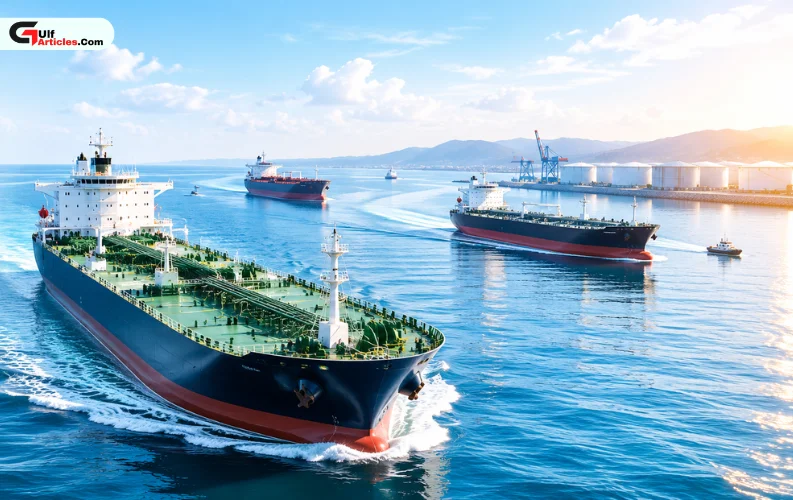
Iran has announced that it exported more than 40 million barrels of crude oil since the United States lifted its naval blockade of Iranian ports earlier this month, marking a significant recovery in the country's energy exports after months of disruption.
Speaking in a televised interview on Tuesday, Parliament Speaker and Chief Negotiator Mohammad Bagher Ghalibaf said Iranian crude is now being sold at a 20% premium compared with prices before the conflict, reflecting renewed demand following the restoration of shipping routes.
The rebound follows a June 17 memorandum of understanding (MoU) between the United States and Iran that ended nearly four months of conflict, reopened the Strait of Hormuz, and established a 60-day negotiation period aimed at reaching a permanent peace agreement.
According to Ghalibaf, Iran was unable to export crude during the blockade but has since resumed shipments at a rapid pace.
Independent tanker monitoring firm TankerTrackers.com estimated that Iran's exports may have already exceeded 50 million barrels since restrictions were lifted, based on satellite imagery and vessel-tracking data.
Oil Market Stabilizes as Supply Returns
The recovery in Iranian exports has contributed to easing pressure on global energy markets. Brent crude was trading near $73 per barrel on Wednesday, significantly below the conflict-driven peak of $118 per barrel recorded in April as expectations of increased Gulf supplies improved market sentiment.
Before the conflict, Iranian crude typically traded at a discount to Brent due to sanctions-related risks. Analysts now say improved market access has strengthened the country's pricing power.
Temporary Strait of Hormuz Agreement
Under the agreement with Washington, Iran has allowed commercial vessels to transit the Strait of Hormuz without tolls for 60 days. However, Iranian officials stressed that the country will continue to exercise administrative authority over the strategically important waterway.
Ghalibaf reaffirmed that Iran would not relinquish its rights over the Strait of Hormuz, describing it as part of the country's territorial waters governed jointly with Oman.
The future operating framework for the strait remains uncertain after the temporary agreement expires, with ongoing negotiations expected to determine long-term arrangements.
Frozen Assets to Support Domestic Needs
Ghalibaf also rejected claims that unfrozen Iranian assets would be used to purchase only American agricultural products. He said approximately $12 billion of the country's released overseas assets would be transferred to Iran's central bank, allowing the government to procure essential goods from international markets using any currency.
Market participants continue to monitor diplomatic negotiations closely, as future agreements between Tehran and Washington are expected to influence global oil supply, shipping security, and energy prices.












Comments 0
No comments yet. Be the first to share your thoughts.
Leave a comment
Your email is never published. All fields are required.