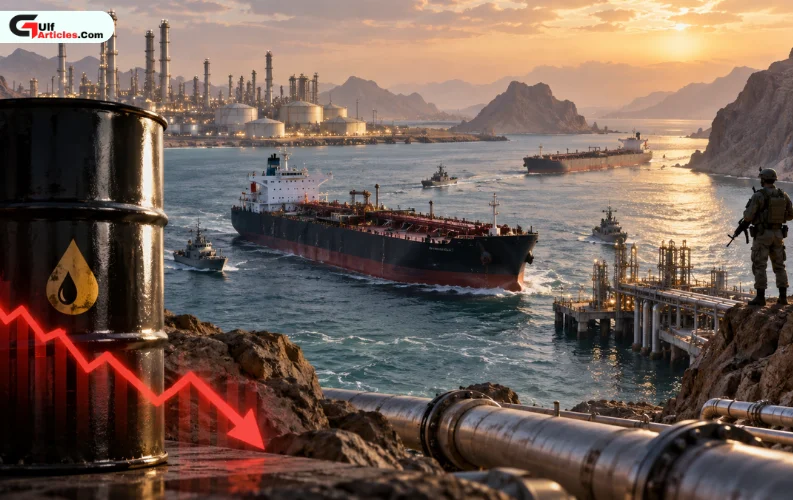

Global oil prices fell sharply on Monday after OPEC+ approved a production increase for September and renewed diplomatic signals between the United States and Iran reduced fears of major supply disruptions in the Middle East.
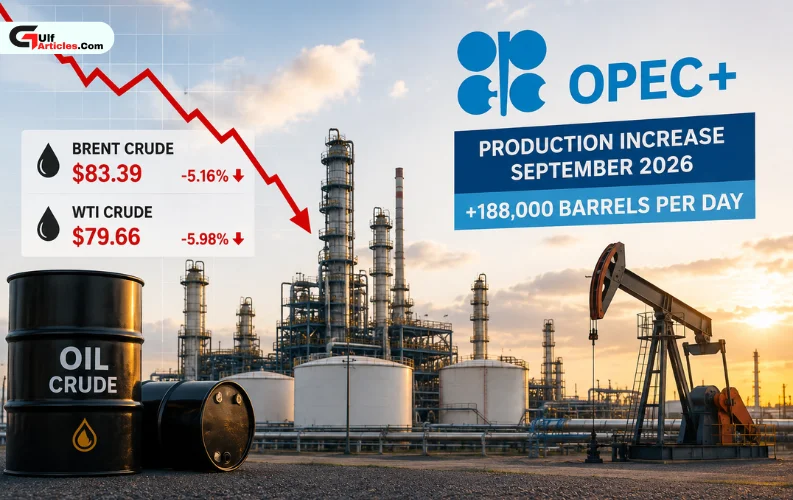
Brent crude for October delivery declined 5.2% to around $83.39 per barrel, while West Texas Intermediate (WTI) futures for September delivery dropped nearly 6% to $79.66 per barrel during early trading.
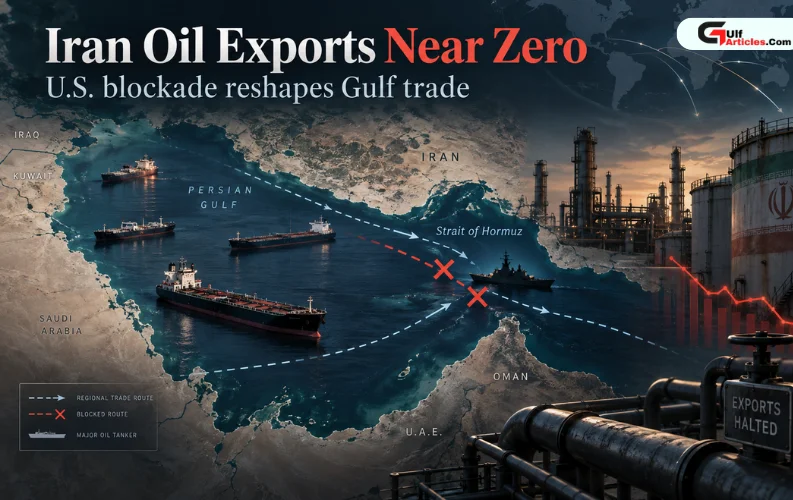
The decline came after U.S. President Donald Trump announced that fresh talks with Iran were expected to begin, easing concerns that military escalation could disrupt oil shipments through the strategically important Strait of Hormuz.
Adding further downward pressure, Saudi Arabia, Russia, Iraq, Kuwait, Kazakhstan, Algeria and Oman agreed during an OPEC+ meeting to increase collective oil production by 188,000 barrels per day starting in September.
The production increase had been widely anticipated by energy markets and completes the unwinding of the second phase of voluntary output cuts introduced by OPEC+ to support oil prices in previous years.
Despite the higher production targets, analysts cautioned that immediate supply growth may remain limited.
Several OPEC+ members continue to face production constraints due to declining output capacity and infrastructure challenges. Russia's oil production, for example, remains below its official target after repeated attacks on energy infrastructure affected output.
Market analysts also noted that although geopolitical tensions have eased, shipping activity through the Strait of Hormuz has yet to fully recover. The waterway remains one of the world's most important energy corridors, handling a significant share of global crude oil exports.
Experts believe the full impact of increased OPEC+ production will only become visible once normal export flows resume across the Gulf region.
Industry observers now expect OPEC+ to pause further production adjustments during the fourth quarter while member countries begin discussions on production quotas for 2027.
The alliance has gradually reversed voluntary production cuts introduced between 2022 and 2023, when weaker global demand pushed oil prices lower.
Although the latest production increase signals confidence in improving market conditions, analysts say future price movements will continue to depend on geopolitical developments, global economic growth and energy demand over the coming months.
With diplomatic efforts appearing to reduce immediate conflict risks, investors will closely monitor both OPEC+ policy decisions and developments in the Middle East for further direction in global oil markets.
You may also like that news:-