

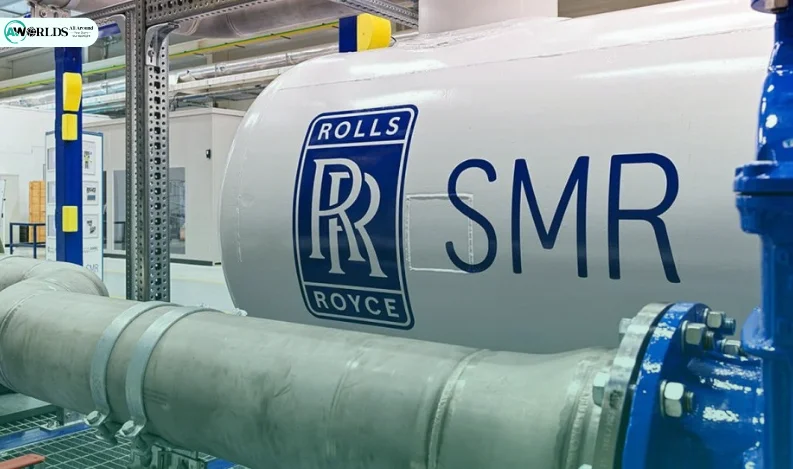
Sweden has selected Rolls-Royce SMR to supply three small modular reactors (SMRs) for a new nuclear power project on the Värö Peninsula, marking the country's first new nuclear reactor development in more than four decades and signaling a major boost for Europe's growing nuclear energy ambitions.
The decision was announced by Videberg Kraft, a nuclear venture backed by utility giant Vattenfall and industrial partner Industrikraft. The project will be located adjacent to the Ringhals nuclear power station on Sweden's west coast and is expected to become one of the country's most significant nuclear developments since the 1980s.
The planned facility will feature three reactors based on the UK-designed Rolls-Royce SMR platform, with detailed planning and licensing activities set to begin in the coming months. Once completed, the project is expected to strengthen Sweden's electricity supply while supporting the country's long-term climate and energy security goals.
The announcement represents a major turning point for Sweden's nuclear sector, which has seen limited expansion over the past four decades due to political and regulatory challenges. Growing electricity demand, industrial electrification, and the push for reliable low-carbon energy sources have renewed interest in nuclear power across the country.
Major Milestone for Rolls-Royce SMR
The Swedish contract marks one of the most significant international wins for Rolls-Royce SMR as competition intensifies in the emerging small modular reactor market.
The company now has active projects, agreements, or deployment plans across Sweden, the United Kingdom, and the Czech Republic, making it one of the most advanced SMR developers currently operating in Europe.
Industry experts view the Swedish decision as a strong endorsement of modular nuclear technology, which is designed to be built faster and at lower cost than traditional large-scale nuclear power plants. SMRs are also considered more flexible due to their smaller footprint and modular construction approach.
Europe Accelerates Nuclear Expansion
The move comes amid a broader European shift toward nuclear energy as governments seek stable, low-carbon electricity supplies while reducing dependence on fossil fuels.
In the United Kingdom, Rolls-Royce SMR was selected in 2025 as the preferred technology in the Great British Nuclear small modular reactor competition. The project is expected to play a central role in Britain's future nuclear strategy, with early development activities already progressing.
Meanwhile, Czech utility CEZ Group has entered agreements to explore deployment of Rolls-Royce reactors at the Temelín nuclear site and has expressed interest in expanding nuclear capacity through future SMR projects.
The Swedish announcement also follows a recent collaboration between the UK National Nuclear Laboratory, Japan Atomic Energy Agency, and Rolls-Royce to accelerate development of advanced reactor technologies and next-generation TRISO nuclear fuel systems.
Challenges Remain Before Deployment
Despite growing momentum behind SMRs, most projects worldwide remain in the planning, licensing, or regulatory approval stages.
Analysts note that nuclear projects continue to face challenges related to permitting, financing, supply-chain readiness, and the production of specialized nuclear-grade components. As a result, it may take several years before electricity from the Swedish reactors reaches the national grid.
However, energy experts believe Sweden's decision sends a strong signal about the future direction of European energy policy.
"Governments are increasingly viewing small modular reactors as a strategic solution for both energy security and decarbonization," industry analysts said following the announcement.
A New Chapter for Swedish Nuclear Energy
For Sweden, the selection of Rolls-Royce SMR represents more than a single infrastructure project. It marks the beginning of a new phase in the country's energy strategy and highlights the growing role nuclear power is expected to play in supporting Europe's transition to a low-carbon economy.
While construction timelines remain subject to regulatory approvals and project planning, the decision positions Sweden among the leading European nations embracing next-generation nuclear technology to meet future energy demands.