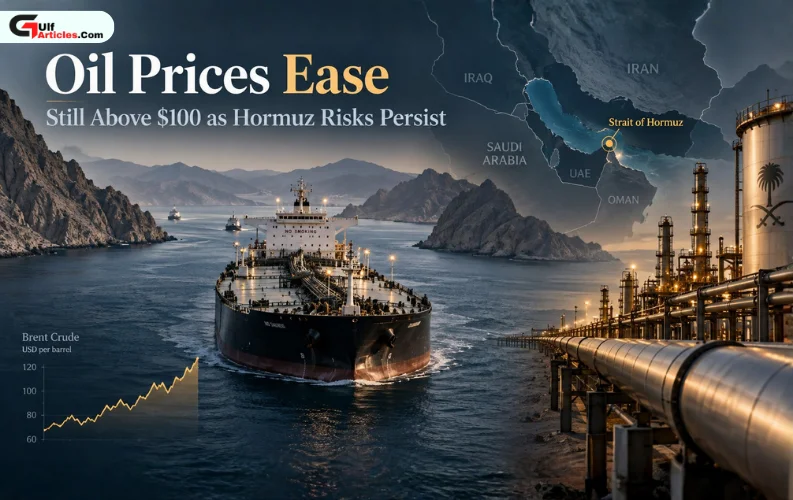


Global financial markets rallied on Monday after the United States and Iran reached an interim agreement aimed at ending hostilities and reopening the Strait of Hormuz, easing concerns over energy supplies and reducing fears of prolonged inflationary pressure.
The agreement prompted an immediate reaction across asset classes. Oil prices declined sharply, while stocks, gold, and cryptocurrencies advanced as investors reassessed risks that had weighed heavily on markets since tensions escalated earlier this year.
Brent crude fell more than 5 percent during trading, dropping below $83 per barrel, while West Texas Intermediate (WTI) briefly slipped under $80. The decline reflects expectations that the reopening of the Strait of Hormuz will restore stability to global energy supplies and reduce concerns about potential disruptions to one of the world's most important shipping routes.
The Strait of Hormuz handles nearly 20 percent of global oil shipments, making its uninterrupted operation critical to international energy markets. Market participants also anticipate that the agreement could lead to sanctions relief on Iranian oil exports, potentially increasing global crude supply.
"The sharp decline in oil prices reflects the rapid erosion of the geopolitical risk premium that had been supporting the market in recent months," analysts noted as traders moved to price in a more stable outlook for energy markets.
Precious metals also gained momentum. Gold climbed approximately 3 percent as a weaker US dollar and declining bond yields improved the appeal of non-yielding assets. Silver recorded gains of more than 4 percent during the session.
Equity markets responded positively to the easing geopolitical tensions. US stock futures advanced, with technology shares leading gains amid expectations that lower energy costs could ease inflationary pressures and support economic growth. European and Asian markets also moved higher, particularly in countries that rely heavily on imported energy.
Cryptocurrency markets joined the rally, with Bitcoin reaching its highest level in nearly two weeks. Ethereum and several major altcoins also posted gains as investor appetite for risk assets improved following the announcement.
The agreement further influenced agricultural commodity markets, where wheat, corn, soybean oil, and palm oil futures declined amid expectations of improved logistics, lower transportation costs, and greater supply chain stability.
Despite the positive market response, investors remain cautious as details of the agreement have yet to be fully disclosed. The deal reportedly establishes a 60-day negotiation period focused on Iran's nuclear program and broader diplomatic issues, with formal discussions expected to continue in the coming weeks.
Attention is now shifting to upcoming central bank meetings, particularly the US Federal Reserve, as policymakers evaluate whether lower oil prices could help moderate inflation and influence future interest-rate decisions.
While markets have welcomed the agreement as a significant step toward regional stability, analysts warn that any setbacks in negotiations could quickly revive volatility across energy, equity, and commodity markets.