
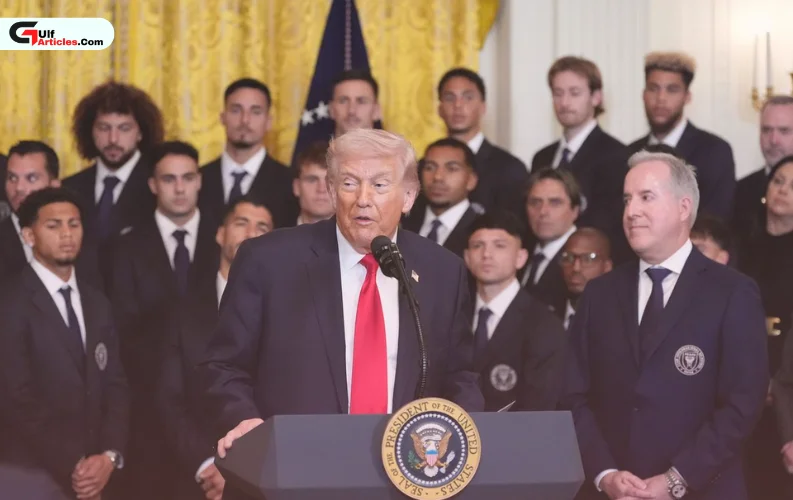
U.S. President Donald Trump has defended the newly signed agreement with Iran, describing it as an "unconditional surrender" by Tehran while rejecting criticism that the United States failed to secure tougher concessions after months of conflict that disrupted global energy markets.
Speaking in an interview with Axios following the signing of the agreement, Trump argued that the deal represented a significant victory for the United States and claimed he acted to prevent a wider economic crisis stemming from the prolonged closure of the Strait of Hormuz.
The agreement, signed Thursday, establishes a 60-day negotiation period aimed at reaching a comprehensive settlement between Washington and Tehran. It also provides for the reopening of the strategically important Strait of Hormuz and lays the groundwork for future discussions surrounding Iran's nuclear programme.
Trump Defends Agreement
Trump dismissed concerns that the interim agreement fell short of earlier U.S. objectives and pushed back against critics who argued that additional military pressure could have produced a more favorable outcome.
In the interview, the president insisted that Iran's acceptance of the framework amounted to an effective surrender, despite the absence of several key demands that had previously been outlined by Washington.
Asked what the conflict had taught him about the limits of presidential authority, Trump responded that while limits may exist, he had not yet encountered them.
The remarks quickly drew attention in Washington as lawmakers and foreign policy analysts debated both the substance of the agreement and Trump's characterization of the outcome.
Strait of Hormuz Reopens
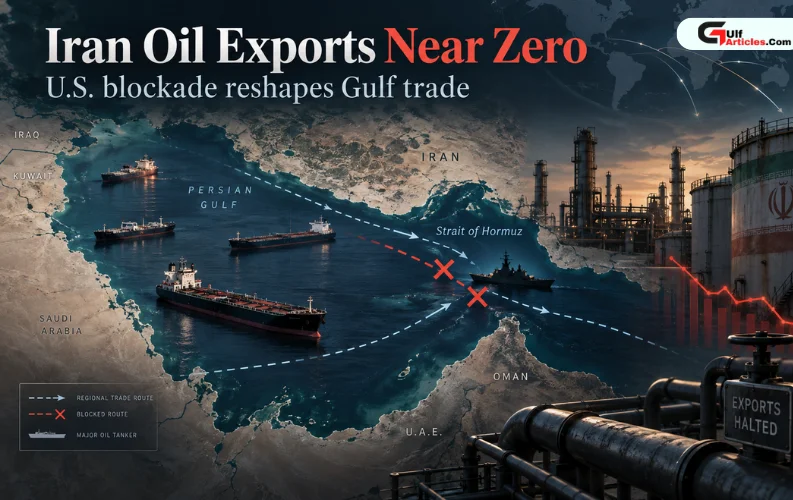
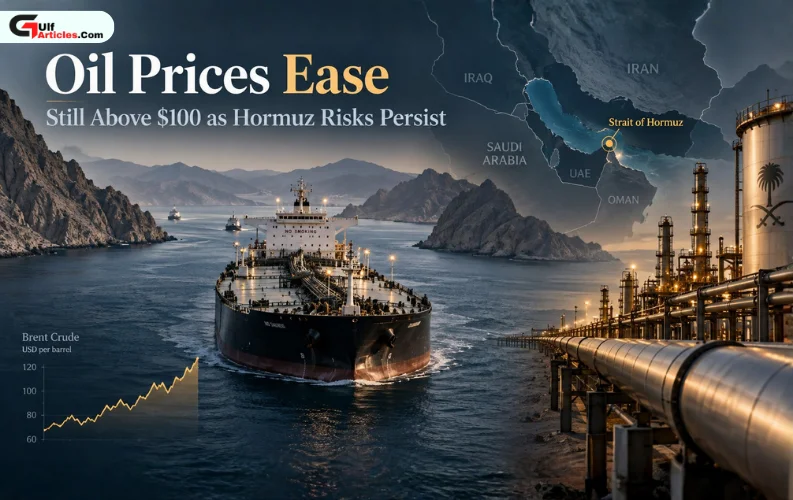
One of the most significant provisions of the agreement is the reopening of the Strait of Hormuz, a critical shipping corridor through which a substantial portion of the world's oil and liquefied natural gas exports pass.
Maritime activity began recovering shortly after the agreement took effect, with cargo vessels and oil tankers resuming transit through the waterway.
According to maritime intelligence data, shipping traffic increased noticeably during the first 24 hours following the deal, marking the strongest level of activity seen since the conflict began more than three months ago.
The reopening of the strait has been welcomed by global energy markets, which experienced heightened volatility during the conflict as concerns grew over potential supply disruptions.
U.S. Military Ends Blockade Operations
The U.S. Central Command (CENTCOM) announced that American forces had ceased all blockade enforcement activities related to maritime traffic entering and leaving Iranian coastal areas.
Military officials said naval forces would remain deployed in the region to monitor compliance with the agreement and ensure safe navigation through international waters.
The move represents one of the first tangible steps toward de-escalation following months of military confrontation between the two countries.
Negotiations Set to Continue
While the memorandum of understanding provides a framework for future talks, several major issues remain unresolved and will be addressed during the upcoming 60-day negotiation period.
A White House spokesperson confirmed that Vice President JD Vance postponed a planned trip to Switzerland, where technical discussions with Iranian representatives were expected to begin. Officials cited logistical challenges but stressed that preparations for negotiations remain ongoing.
Diplomatic teams from both sides are expected to focus on nuclear issues, regional security concerns, sanctions, and broader economic arrangements as talks progress.
Political Backlash Intensifies
The agreement has already sparked criticism from several lawmakers who argue that the administration failed to secure stronger concessions from Tehran.
Senate Minority Leader Chuck Schumer accused Trump of mishandling negotiations and argued that the United States had emerged from the conflict in a weaker position than before.
Other critics contended that Iran retained significant leverage through its geographic control of the Strait of Hormuz and pointed to the continued existence of Iran's missile and nuclear capabilities as evidence that key objectives were not achieved.
Some lawmakers also questioned the overall cost of the conflict, arguing that the economic and military resources expended over the past several months outweighed the benefits of the agreement.
Markets Watch Next Phase
Despite political divisions in Washington, financial markets responded positively to signs of de-escalation and the reopening of one of the world's most important energy transit routes.
Energy analysts say the success of the agreement will ultimately depend on whether negotiators can reach a durable final settlement during the upcoming talks.
For now, the deal has provided temporary relief to global oil markets and reduced fears of a prolonged disruption to international energy supplies.
As negotiations move forward, attention will remain focused on whether the interim agreement can evolve into a broader diplomatic breakthrough or whether unresolved disputes will reignite tensions between Washington and Tehran.