

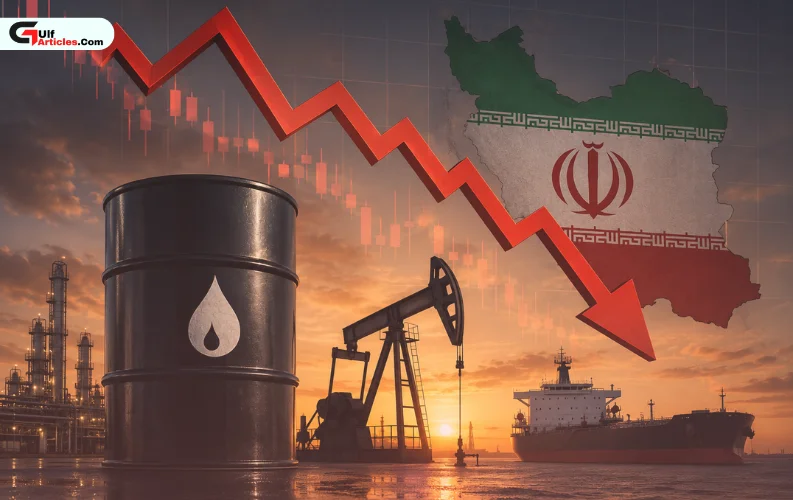
Oil prices extended their decline on Wednesday, with Brent crude falling below $77 a barrel as investors grew more confident that the ceasefire between Iran and Israel would hold, reducing fears of disruptions to energy supplies from the Middle East.
Brent crude dropped 79 cents, or 1.02%, to $76.29 a barrel during Asian trading hours, while U.S. benchmark West Texas Intermediate (WTI) fell 80 cents, or 1.09%, to $72.41 a barrel.
The latest decline follows a sharp sell-off earlier this week as concerns over potential supply interruptions through the Strait of Hormuz began to fade. The strategic waterway, which handles around one-fifth of global oil consumption, has remained open despite heightened tensions in the region.
Other crude benchmarks also traded lower. Murban crude fell 1.64% to $69.63 a barrel, while the OPEC Basket declined 1.89% to $81.59. Russia's Urals crude recorded a steeper drop of 3.24%, settling at $64.42 a barrel.
Market sentiment has shifted in recent sessions as oil exports from the Gulf region continue without significant disruption. Tanker traffic through the Strait of Hormuz has remained steady, easing concerns that military tensions could impact global energy supplies.
The decline in prices also reflects expectations that major producers within the OPEC+ alliance will maintain sufficient supply levels while demand growth remains uneven in several key economies, including China.
Despite the recent pullback, traders continue to monitor developments in the Middle East closely. Any escalation involving energy infrastructure or shipping routes could quickly alter the market outlook and trigger renewed price volatility.
Brent crude briefly surged during the height of regional tensions, but the absence of major supply disruptions has prompted investors to scale back risk-driven positions, pushing prices lower for a second consecutive session.
You may also like that news:-