
Global oil prices declined sharply on Monday as investors responded to growing optimism surrounding a potential agreement between the United States and Iran, a development that could ease tensions in the Middle East and restore disrupted oil supplies to global markets.
West Texas Intermediate (WTI), the U.S. benchmark crude, fell more than 5 percent during early Asian trading, dropping to around $80 per barrel. International benchmark Brent crude also posted significant losses, trading near $83 per barrel, while Murban crude, a key Gulf benchmark, recorded a similar decline.
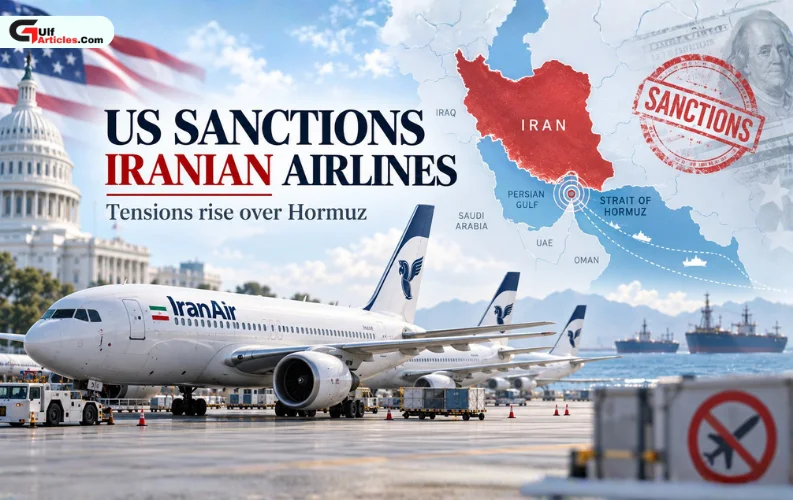
The market reaction followed reports that U.S. and Iranian negotiators are making progress toward a framework agreement aimed at reducing regional tensions and restoring stability to global energy markets. The proposed arrangement is expected to support a temporary ceasefire, facilitate the resumption of Iranian oil exports, and reopen key shipping routes in the Gulf.
Investors have particularly focused on the future of the Strait of Hormuz, one of the world's most important energy transit routes. The strategic waterway handles a substantial share of global crude oil shipments, making any disruption a major concern for international markets.
The possibility of increased Iranian oil exports has prompted traders to reassess supply expectations. As confidence in a diplomatic resolution grows, much of the geopolitical risk premium that previously supported higher oil prices has begun to fade.
Market analysts note that fears of prolonged supply disruptions had contributed significantly to recent price gains. However, expectations of normalized oil flows from Iran have shifted sentiment, encouraging investors to reduce bullish positions in crude futures.
Although U.S. officials have expressed optimism regarding the negotiations, Iranian representatives have urged caution, emphasizing that several important issues remain unresolved before a final agreement can be reached.
Despite the uncertainty, financial markets appear encouraged by the progress made so far. The prospect of additional crude entering global markets has strengthened expectations of improved supply availability and reduced pressure on energy prices.
Other energy-related contracts also moved lower during the session as traders adjusted their outlook in response to the evolving geopolitical landscape.
Industry observers expect oil markets to remain volatile in the coming days as negotiations continue. Any confirmation of a formal agreement could place further downward pressure on crude prices, while setbacks in talks may quickly reignite concerns over supply security and regional stability.
For now, investor sentiment suggests growing confidence that diplomacy may help ease tensions, improve market stability, and support a more balanced global energy outlook.
You may also like that news:-