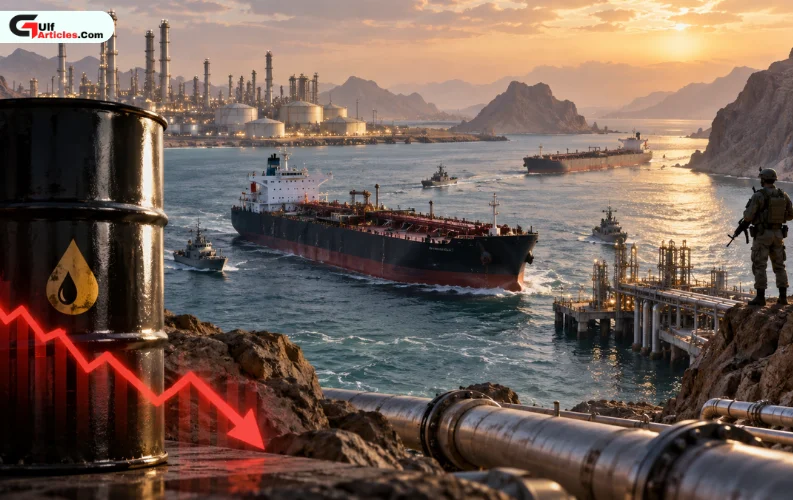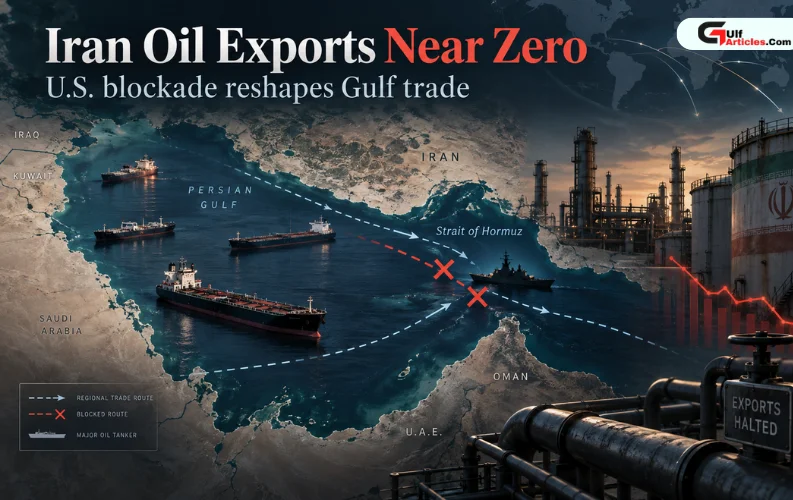


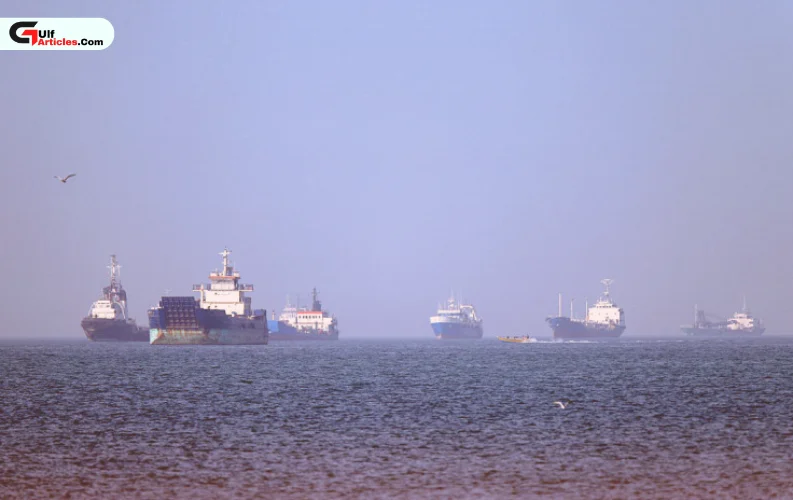
Commercial shipping activity through the Strait of Hormuz has begun to recover after the United States and Iran implemented a new agreement aimed at restoring safe passage through one of the world's most critical energy corridors.
According to maritime intelligence firm Kpler, at least 20 oil tankers crossed the Strait of Hormuz on Thursday, marking the highest level of tanker traffic recorded since June 2. The increase comes as both Washington and Tehran move forward with measures designed to normalize maritime operations following weeks of disruption linked to regional tensions.
The Strait of Hormuz, which serves as a key gateway for global energy exports from the Middle East, handles a significant portion of the world's seaborne oil shipments. Any disruption to traffic through the waterway has immediate implications for global energy markets and supply chains.
Shipping Activity Begins to Recover
Data from Kpler showed that a total of 25 vessels, including oil tankers, cargo ships, and container vessels, transited the strait on Thursday. While the figures remain below normal operating levels, they represent a notable improvement compared to traffic recorded during the recent conflict.
Before the crisis, more than 100 vessels—including dozens of oil tankers—typically crossed the strategic waterway each day.
Market observers attribute the rebound in shipping activity to the implementation of the U.S.-Iran agreement, which includes the lifting of maritime restrictions and temporary incentives designed to encourage commercial traffic.
Under the arrangement, Iran has reportedly agreed to allow vessels to pass through the strait without toll charges for a period of 60 days, while the United States has ended measures that had restricted Iranian maritime movements.
Energy Exports Return to Normal Operations
Analysts also reported signs that Iranian oil exports are gradually returning to normal patterns.
According to Kpler, several Iranian supertankers carrying crude oil have resumed regular operations and are once again transmitting location data after many vessels temporarily switched off tracking systems during the conflict.
Five Iranian oil supertankers loaded with crude were observed departing the region on Friday, suggesting that export activity is beginning to stabilize.
Industry analysts noted that the resumption of two-way shipping flows is a positive signal for global energy markets, indicating a gradual normalization of oil trade routes in the Gulf region.
Gulf Producers Resume Major Shipments
The recovery in maritime traffic also included large-scale crude shipments from Gulf energy producers.
Three Very Large Crude Carriers (VLCCs) from Saudi Arabia and one from the United Arab Emirates successfully crossed the Strait of Hormuz on Thursday. These vessels are among the largest oil tankers in operation and are capable of transporting up to two million barrels of crude oil per voyage.
The return of these large-scale shipments is being viewed as a sign of improving confidence among energy exporters and shipping operators.
New Shipping Routes Emerging
Kpler data indicates that most vessels are currently using routes designated by Iranian authorities rather than traditional international shipping corridors.
Of the vessels tracked on Thursday, the majority followed the navigation path approved by Iran, while only a small number used routes established by the International Maritime Organization.
The shift highlights Iran's growing influence over maritime traffic management in the region following the new agreement.
Questions Remain Over Long-Term Governance
While the immediate reopening of the waterway has eased concerns over supply disruptions, uncertainty remains regarding the long-term governance of the Strait of Hormuz.
Under the terms of the agreement, discussions are expected to begin later this year involving Iran, Oman, and Gulf states to determine how the strategic passage will be administered once the temporary 60-day toll-free period expires.
The outcome of those negotiations could have significant implications for future shipping costs, regional trade flows, and global energy markets.
Market Impact
The recovery of tanker traffic is being closely monitored by oil traders and governments worldwide. The Strait of Hormuz remains one of the most important chokepoints in global energy trade, with millions of barrels of oil passing through the corridor each day.
For now, the increase in vessel movements signals a tentative return to stability. However, analysts caution that the success of the agreement will depend on continued cooperation between the United States, Iran, and regional partners as efforts continue to secure one of the world's most strategically important maritime routes.