

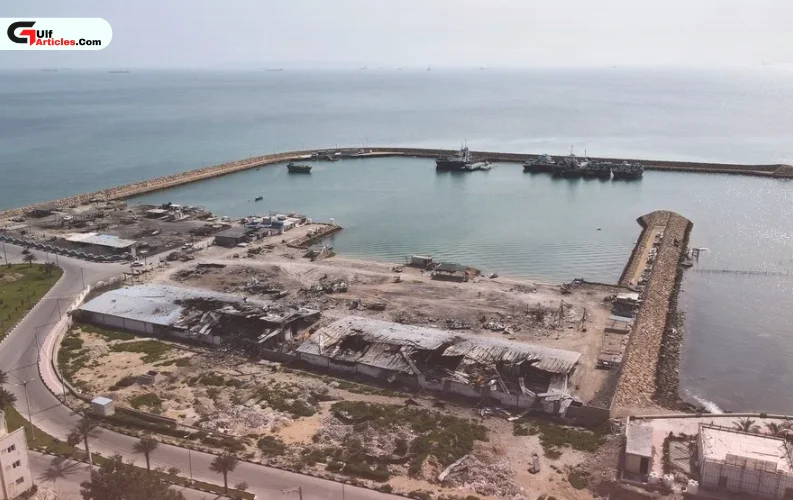
Iran has announced that the Strait of Hormuz is open to commercial shipping during the ongoing ceasefire between Israel and Lebanon, but conflicting statements from the United States have created uncertainty over the actual status of the key global trade route. Iran’s Foreign Minister stated that all commercial vessels are allowed to pass through the strait under coordinated routes managed by Iranian authorities. However, the conditions surrounding the passage remain unclear, including whether restrictions or additional requirements may apply to certain ships.
U.S. President Donald Trump welcomed Iran’s announcement but confirmed that the American naval blockade on Iranian ports will remain in effect until a broader agreement is reached. The continued blockade has raised doubts about how freely ships can move through the region.
Iranian officials have warned that the strait may not remain open if the U.S. blockade continues. Reports also suggest that only limited vessel movement has taken place, with some ships turning back due to lack of clearance.
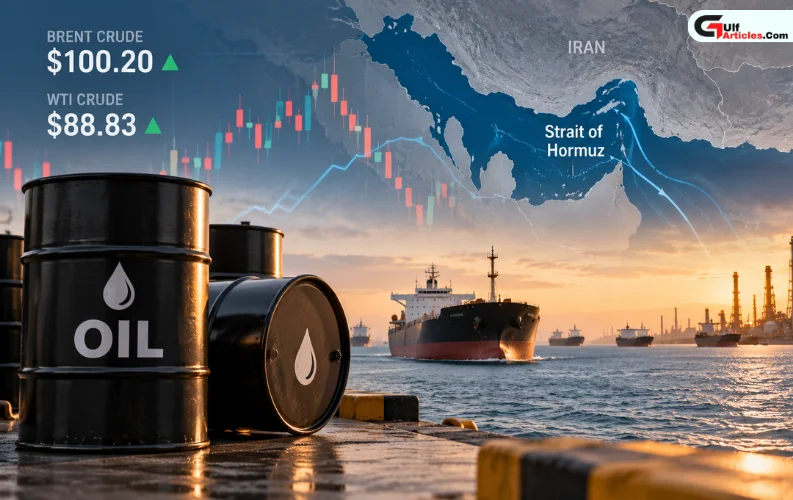
The Strait of Hormuz is a critical global energy route, handling a significant share of the world’s oil supply. Recent tensions and partial closures have already disrupted markets, although oil prices showed a sharp decline following the reopening announcement.
With negotiations ongoing and the ceasefire remaining fragile, the situation continues to evolve, leaving global markets closely monitoring further developments.












Comments 0
No comments yet. Be the first to share your thoughts.
Leave a comment
Your email is never published. All fields are required.