

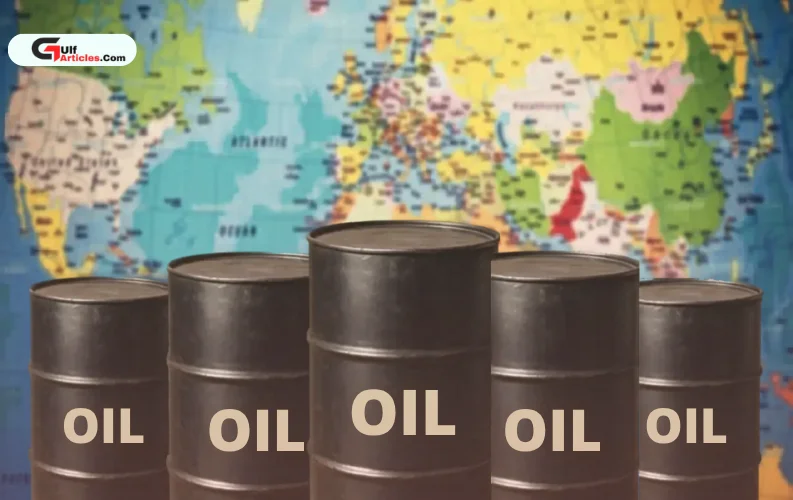
Global oil markets extended gains on Monday as traders reacted to mounting supply disruptions linked to tensions in the Middle East, driving benchmark crude prices further above the $100-per-barrel threshold.
US benchmark West Texas Intermediate (WTI) crude rose $1.22 to trade at $106.64 per barrel during early Asian trading hours, while Brent crude climbed $1.03 to reach $110.29 per barrel. Murban crude also posted strong gains, advancing 3.15% to $108.00, as the OPEC basket neared $115 per barrel.
Natural gas futures moved higher as well, rising 2.06% to $3.021 per million British thermal units.
The sharp rise in prices comes amid ongoing uncertainty surrounding shipping activity through the Strait of Hormuz, one of the world’s most strategically important oil transit routes. Market participants remain concerned that prolonged disruptions in the region could further tighten global energy supplies.
Analysts noted that geopolitical tensions have continued to inject a significant risk premium into crude prices. Concerns over restricted tanker movement and infrastructure-related interruptions have intensified fears of sustained supply shortages across major Gulf producers.
According to the International Energy Agency (IEA), global oil inventories are currently declining at a record pace as production and exports remain constrained. The agency estimates that more than 14 million barrels per day are still impacted by logistical and operational disruptions tied to the regional conflict.
Moody’s Ratings, in a recent industry outlook, warned that the situation may evolve into a long-term structural challenge for global energy markets rather than a temporary supply shock. The agency suggested that continued instability in the region could reshape global trade flows and energy planning beyond 2026.
Despite OPEC lowering its 2026 oil demand growth forecast due to elevated prices and slowing economic activity, traders appeared more focused on immediate supply risks than long-term consumption concerns.
Regional crude benchmarks showed mixed movement. Western Canadian Select climbed 4.78% to $93.07 per barrel, while Louisiana Light crude gained 1.42% to $104.52. Meanwhile, Russia’s Urals crude edged lower by 0.81% to $96.72 per barrel.
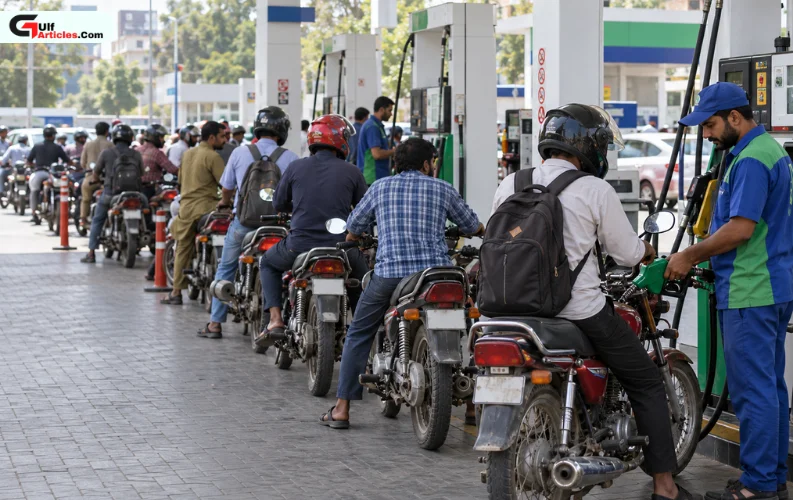
The rise in crude prices has also started to affect retail fuel markets globally, increasing inflationary pressure and adding fresh challenges for central banks attempting to manage persistent price growth.














Comments 0
No comments yet. Be the first to share your thoughts.
Leave a comment
Your email is never published. All fields are required.