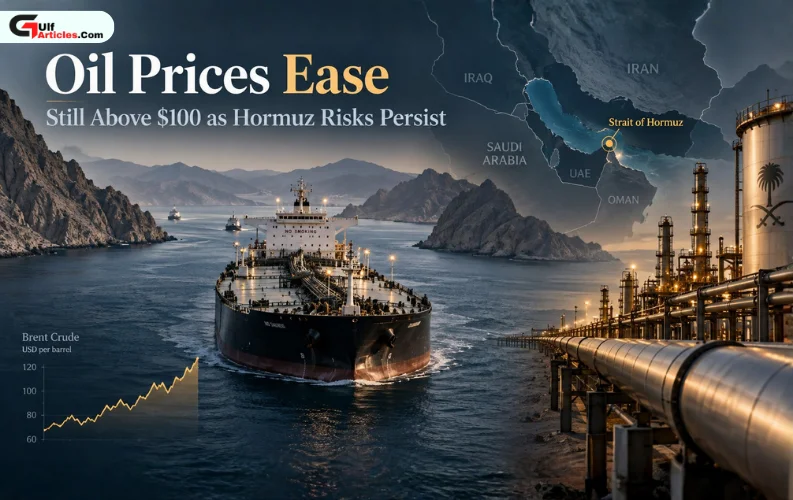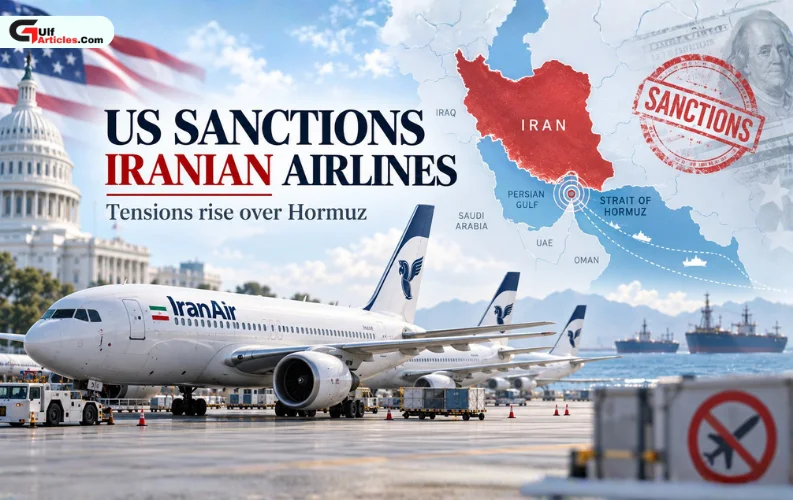


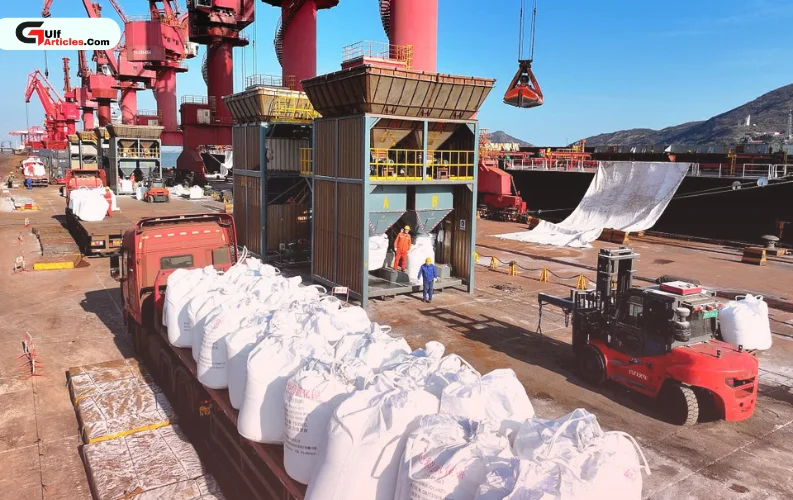
The ongoing conflict involving Iran is beginning to ripple far beyond energy markets, with a growing fertiliser crisis now raising serious concerns about global food security. At the center of the disruption lies the blockade of the Strait of Hormuz, a critical global shipping corridor. Restrictions in this region have interrupted the flow of key resources while driving up energy costs, creating a cascading effect across agricultural supply chains.
According to recent assessments by the World Bank, fertiliser affordability has dropped to its lowest level in four years. The sharp rise in production costs is largely tied to surging natural gas prices, a key input in the manufacturing of nitrogen-based fertilisers.
The connection between energy and agriculture has become increasingly evident. Natural gas serves as a fundamental raw material for fertiliser production, meaning fluctuations in energy markets quickly translate into higher costs for farmers. As a result, many producers are now facing difficult decisions about how much fertiliser they can afford to use during critical planting periods.
European officials have already begun raising concerns about the long-term implications. While current supply levels remain relatively stable in parts of Europe, the focus is shifting toward the impact on future harvests. Reduced fertiliser use today could significantly lower crop yields in upcoming seasons, tightening global food supplies.
Industry groups have emphasized the need for immediate support measures to help farmers navigate rising costs without undermining the competitiveness of fertiliser producers. At the same time, policymakers are being urged to adopt longer-term strategies to strengthen resilience within agricultural systems.
The crisis is particularly acute across developing regions. The Food and Agriculture Organization has identified countries in Asia, Africa, and the Middle East including India, Bangladesh, and Egypt as among the most vulnerable. These regions are experiencing a combination of rising input costs, limited supply availability, and increasing risks of food insecurity.
Compounding the situation, global food price indicators have already begun to climb, reflecting mounting pressure on supply chains. Analysts warn that the so-called “fertiliser squeeze” could lead to sustained increases in food prices, particularly if logistical disruptions and high transport costs persist.
Beyond immediate price impacts, the longer-term outlook presents deeper challenges. Lower fertiliser application rates today may result in weaker harvests in the next agricultural cycle, potentially prolonging economic hardship in already vulnerable economies.
Experts also caution that the crisis could trigger broader economic consequences. Governments facing rising food prices may be forced to tighten monetary policy to control inflation, adding further strain to global growth prospects.
Despite calls for intervention, the resolution of the crisis ultimately depends on stabilizing energy markets and restoring disrupted trade routes. Until then, the secondary effects of the Iran conflict are expected to continue spreading across global food systems.
As policymakers and industry leaders assess the evolving situation, one point remains clear: the intersection of energy, agriculture, and geopolitics is now shaping a new phase of global economic risk one that could extend well beyond the immediate conflict.