

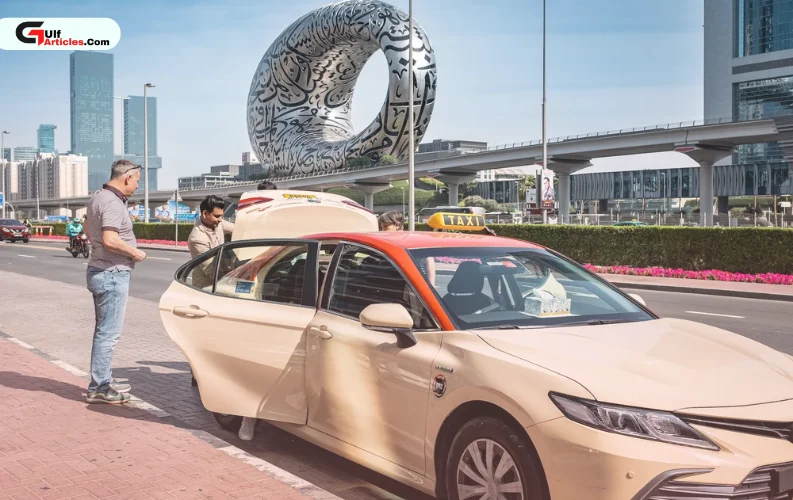
Dubai Taxi Company (DTC) has reaffirmed its commitment to workforce stability, confirming that no job cuts have been implemented despite recent fluctuations in demand influenced by geopolitical tensions impacting regional travel patterns.
Addressing the situation, Chief Executive Officer Mansoor Rahma Alfalasi emphasized that the company’s operations have remained stable and uninterrupted across all service segments. He clarified that the challenges faced were largely demand-driven rather than operational disruptions, underlining the organization’s adaptability in a shifting mobility landscape.
DTC has strategically responded to changing demand by reallocating its fleet rather than reducing capacity. Vehicles previously focused on airport transfers have been redirected toward shorter and essential trips, ensuring consistent service delivery across the city. This operational flexibility has enabled the company to maintain efficiency while meeting evolving customer needs.
The company’s cost structure has also played a crucial role in maintaining stability. With a largely commission-based driver model, operational expenses naturally adjust in line with trip volumes, allowing DTC to absorb fluctuations without resorting to layoffs. The CEO further confirmed that the company has not relied on external borrowing, sustaining its financial health through internal cash generation.
Looking ahead, DTC remains optimistic about its performance, supported by Dubai’s strong economic fundamentals, including population growth, tourism recovery, and continued infrastructure investment. The company is also advancing its long-term strategy through the rollout of autonomous taxis, aligning with Dubai’s vision to achieve 25 percent autonomous transport by 2030.
Sustainability continues to be a central focus, with DTC accelerating its transition toward electric vehicles. The company has set clear milestones to convert its entire fleet to fully electric by 2040, while actively expanding charging infrastructure in collaboration with local authorities.
In parallel, artificial intelligence is being increasingly integrated into operations. Through advanced predictive analytics, real-time monitoring systems, and intelligent route optimization, DTC aims to enhance efficiency and deliver an improved customer experience.
Additionally, as Dubai prepares to introduce air taxis, DTC is positioning itself as a critical enabler of seamless urban mobility by supporting first- and last-mile connectivity. With an extensive fleet and established network, the company is set to play a pivotal role in the city’s next phase of transportation innovation.
Overall, Dubai Taxi Company’s approach reflects a broader shift toward resilience, innovation, and sustainability, ensuring continued growth while maintaining strong support for its workforce.