

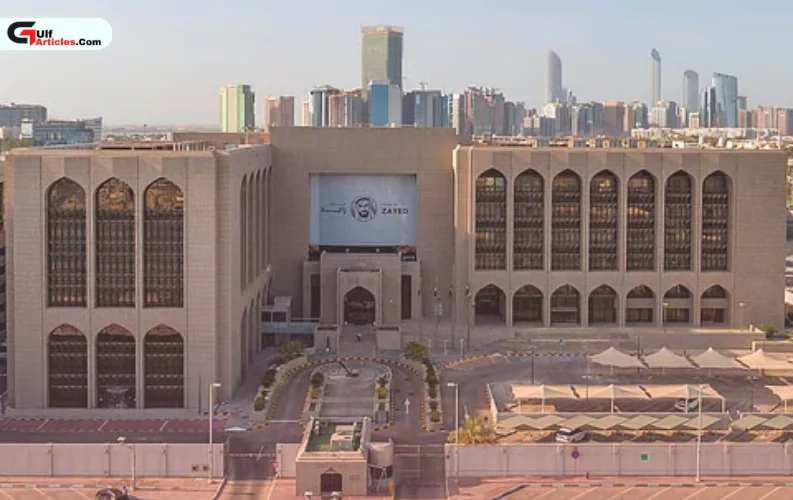
The United Arab Emirates recorded stronger economic growth in the early months of 2026, supported by expanding banking activity, rising trade flows, and sustained investment momentum, according to official data and international reports. Recent indicators suggest the economy remains underpinned by strong liquidity, capital resilience, and stable policy conditions, reinforcing the country’s position as a key global economic hub.
Data from the Central Bank showed total banking sector assets increased by 1.1 percent in February to more than Dh5.47 trillion. Credit growth also remained steady, rising 1.2 percent to Dh2.63 trillion, supported by an increase in domestic lending.
Deposits across the banking system strengthened further. Total deposits rose 1.9 percent to Dh3.4 trillion, while resident deposits climbed 1.7 percent, reflecting continued confidence in the financial sector.
Key financial stability indicators remained well above global benchmarks. The capital adequacy ratio stood at 17 percent, while the liquidity coverage ratio exceeded 146 percent, highlighting the sector’s ability to withstand external pressures.
Several UAE banks were also recognised globally, with major institutions featured in international rankings, reflecting the sector’s growing international presence.
Sovereign credit strength remained stable. Moody’s reaffirmed the UAE’s Aa2 rating with a stable outlook, while S&P Global Ratings maintained its AA/A-1+ ratings, citing strong fiscal buffers and economic resilience.
Trade continues to play a central role in growth. The UAE is expanding its global trade network through new agreements, with efforts aimed at increasing non-oil trade to Dh4 trillion by 2031.
The country’s global trade position has also improved, with the UAE entering the top ten global merchandise exporters for the first time. Total foreign trade reached Dh6 trillion in 2025, marking a 15 percent increase compared to the previous year.
Non-oil trade recorded significant growth, while the services sector crossed Dh1.14 trillion, reflecting continued diversification away from hydrocarbons.
Investment activity remains strong. Sovereign investment entities reported solid asset growth and consistent long-term returns, supporting broader economic expansion.
At the same time, business activity across the country continues to expand. The number of registered companies exceeded 1.45 million by the end of February, with new company registrations indicating sustained entrepreneurial momentum.
Debt markets have also seen strong demand. A recent government bond auction attracted bids significantly higher than the issuance size, reflecting investor confidence in the country’s financial stability.











Comments 0
No comments yet. Be the first to share your thoughts.
Leave a comment
Your email is never published. All fields are required.