

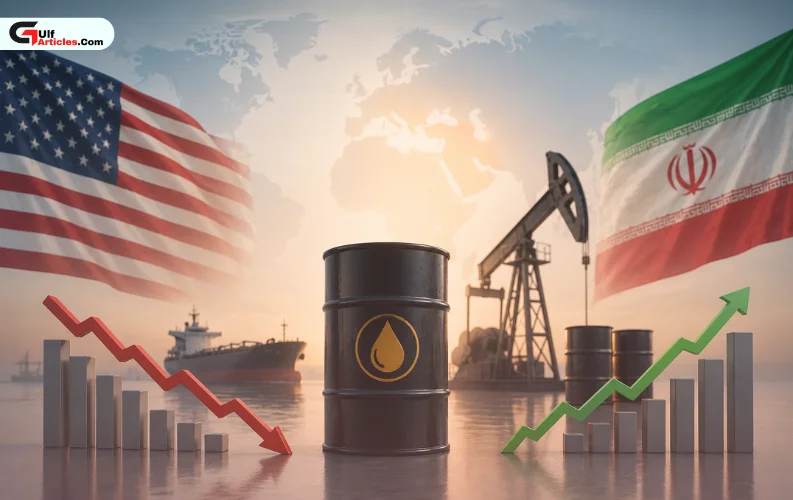
Global oil markets traded unevenly on Tuesday as investors reacted to fresh U.S. military operations in southern Iran alongside conflicting signals surrounding diplomatic negotiations between Washington and Tehran.
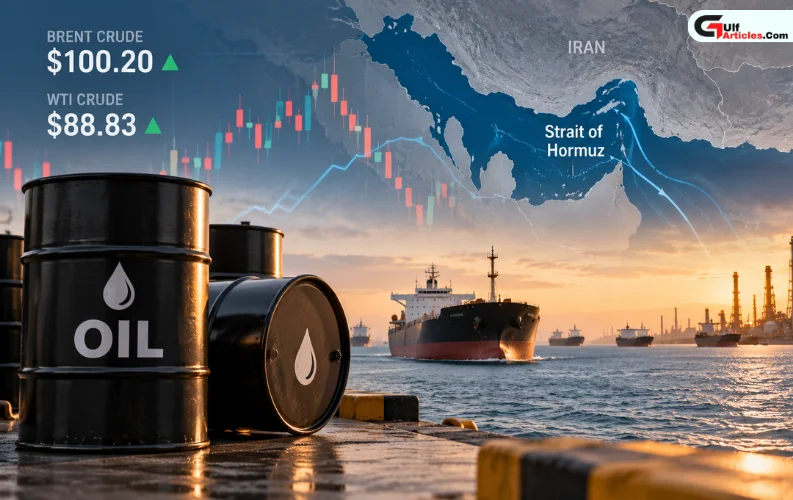
The volatile trading environment highlighted growing uncertainty over the future of Middle East stability and the potential impact on global energy supplies, particularly around the strategically vital Strait of Hormuz.
International benchmark Brent crude futures for July delivery climbed 2% during Asian trading sessions to reach $98.26 per barrel. Meanwhile, U.S. West Texas Intermediate crude futures for July delivery moved sharply lower, falling 5.1% to trade at $91.73 per barrel.
The divergence in prices reflected conflicting investor sentiment as markets attempted to balance escalating geopolitical tensions with cautious optimism regarding ongoing diplomatic discussions between the United States and Iran.
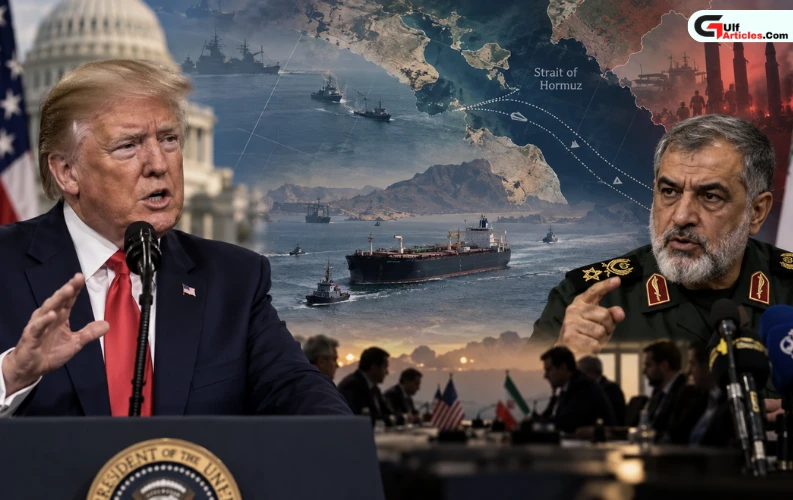
The latest market volatility followed confirmation from the U.S. military that it had conducted what it described as “self-defense strikes” in southern Iran. According to U.S. Central Command, the operations targeted vessels allegedly attempting to deploy naval mines as well as missile launch locations believed to pose threats to American forces operating in the region.
Military officials stated that the strikes were intended to protect U.S. troops from immediate threats linked to Iranian military activities.
The development immediately reignited concerns about potential disruptions to shipping routes in the Gulf region, particularly through the Strait of Hormuz, one of the world’s most important oil transit chokepoints.
A significant portion of global crude exports passes through the narrow waterway each day, making any instability in the region a major concern for energy markets, governments, and global investors.
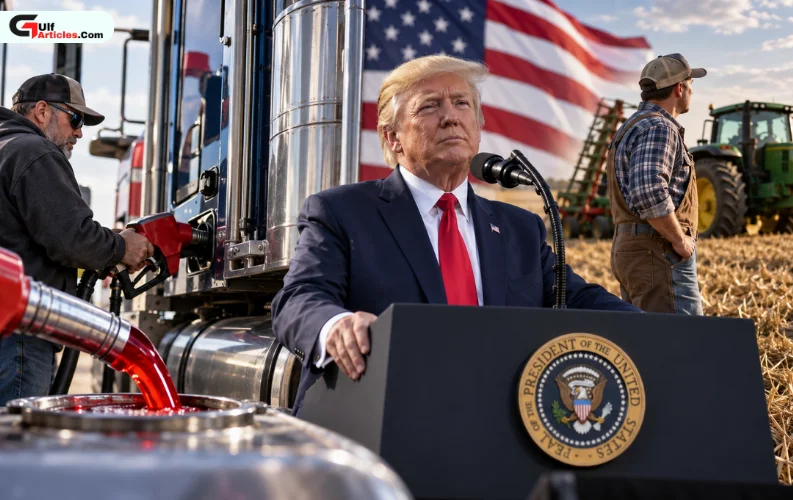
At the same time, diplomatic messaging from U.S. President Donald Trump added further complexity to market sentiment.
In a social media statement, Trump indicated that negotiations with Iran were “proceeding nicely,” suggesting that diplomatic efforts remained active despite the military operations. However, he also warned that the United States could resume military action if discussions failed to produce a broader agreement.
“It will only be a Great Deal for all or no Deal at all,” Trump stated, signaling that the administration continues to maintain both diplomatic and military pressure simultaneously.
Trump also revealed that he had encouraged several regional countries, including Saudi Arabia, Qatar, Turkey, Egypt, Jordan, and Pakistan, to deepen regional cooperation through expanded participation in the Abraham Accords framework.
The combination of military activity and diplomatic uncertainty has left traders increasingly cautious about future oil supply conditions.
Analysts from Swiss investment bank UBS warned that the global oil market is already facing mounting supply strain amid ongoing shipping disruptions linked to tensions surrounding the Strait of Hormuz.
According to UBS estimates, global oil inventories declined by approximately 246 million barrels during March and April combined. The bank also projected that cumulative production disruptions could surpass one billion barrels by the end of May if instability in the region continues.
The sharp inventory decline suggests that the market remains heavily undersupplied despite recent volatility in crude prices.
UBS analysts also noted that onshore inventories of both crude oil and refined petroleum products continue to fall, while storage levels aboard oil tankers have increased due to rerouted exports and shifting trade patterns, particularly involving U.S. shipments to Asian markets.
Energy analysts believe the current situation illustrates how quickly geopolitical risks can reshape commodity markets, especially when global inventories are already tight and production flexibility remains limited.
The Middle East remains central to global energy security, and even temporary disruptions to shipping routes or production infrastructure can have significant consequences for inflation, transportation costs, manufacturing activity, and broader economic stability worldwide.
Market participants are now closely monitoring both diplomatic developments and military activity for signs of either de-escalation or further confrontation.
If negotiations between Washington and Tehran progress successfully, analysts believe some pressure on oil prices could ease in the coming months. However, any escalation in military operations or disruptions to Gulf shipping lanes could rapidly push energy prices significantly higher again.
The coming weeks are expected to remain highly volatile for oil markets as geopolitical risks continue to dominate investor sentiment across the global energy sector.











Comments 0
No comments yet. Be the first to share your thoughts.
Leave a comment
Your email is never published. All fields are required.