

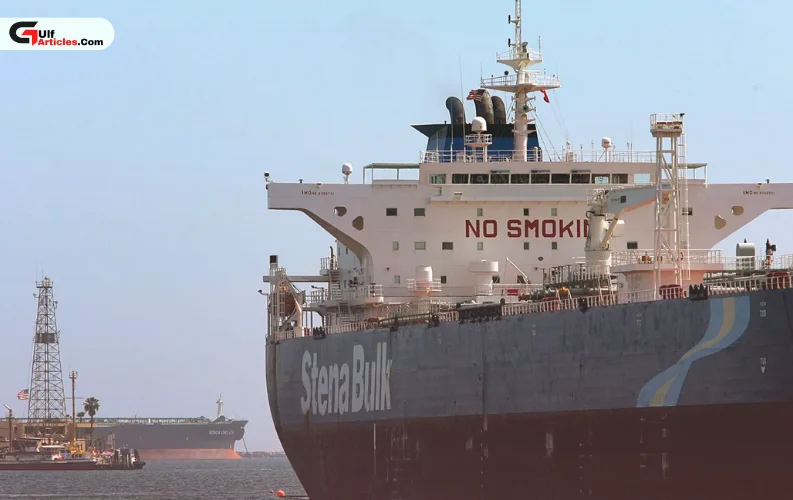
Global oil prices fell sharply in early Asian trading on Tuesday after growing optimism surrounding a possible diplomatic breakthrough between the United States and Iran triggered a broad selloff across energy markets.
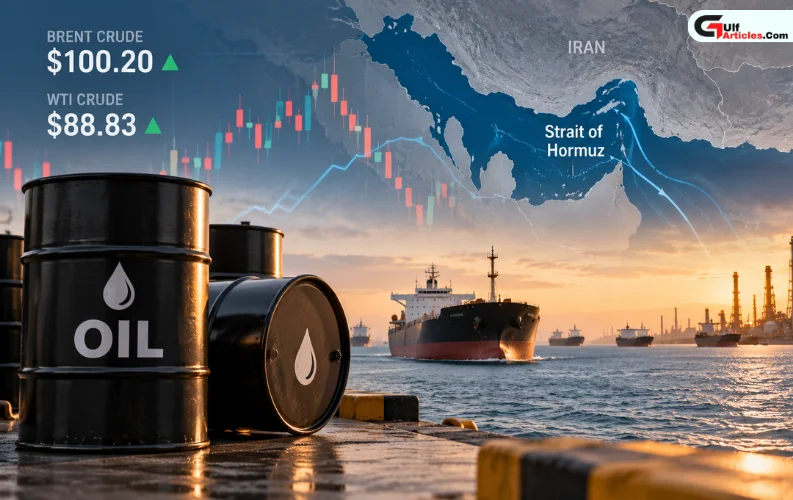
West Texas Intermediate (WTI), the US benchmark crude, dropped more than 6% to trade near $90.55 per barrel, while Brent crude, the international benchmark, slipped to approximately $96.14 per barrel. The decline reflected improving market sentiment as traders responded to signals that negotiations between Washington and Tehran may be progressing toward a potential agreement.
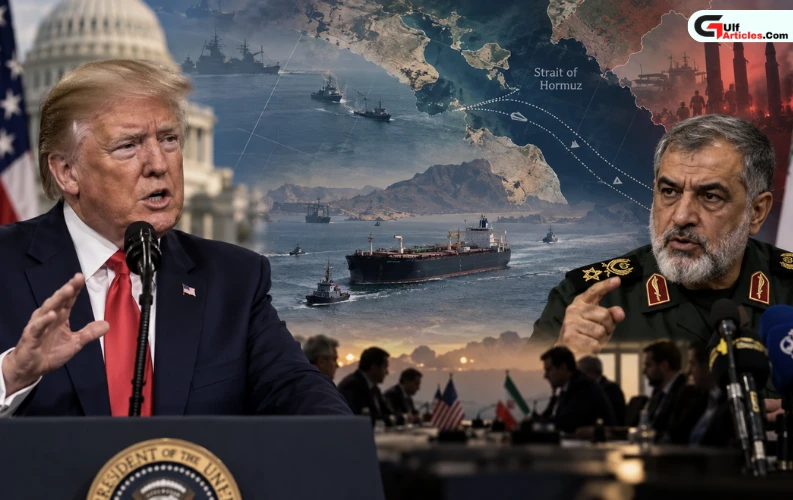
The latest market movement comes after US President Donald Trump indicated that discussions with Iranian representatives were becoming increasingly “productive” and “professional.” His remarks fueled expectations that tensions in the Middle East could ease in the coming weeks, potentially restoring safer shipping activity through the Strait of Hormuz one of the world’s most strategically important oil transit routes.
The Strait of Hormuz handles nearly one-fifth of global oil shipments, making any disruption in the region a major concern for international energy markets. In recent months, fears of prolonged military escalation and supply interruptions had pushed crude prices sharply higher, with Brent crude previously crossing the $110 mark during peak tensions earlier this year.
Iranian authorities also confirmed that multiple commercial vessels, including oil tankers and cargo ships, had recently passed through the Strait of Hormuz following coordinated security approvals. The development was viewed by traders as a positive indication that maritime activity in the region could gradually stabilize if diplomatic efforts continue.
Alongside Brent and WTI, other crude grades also recorded significant declines. Murban crude posted one of the steepest losses of the session, while Louisiana Light crude fell nearly 12% during Tokyo trading hours.
Market analysts noted that a large portion of the recent oil rally had been driven by a geopolitical “war risk premium,” which is now beginning to fade as hopes for de-escalation grow. Investors are increasingly shifting attention toward the possibility of rising supply levels if sanctions are eased and Iranian exports return more fully to international markets.
Despite the sharp correction, analysts cautioned that several major issues remain unresolved, including nuclear restrictions, sanctions relief, uranium stockpile negotiations, and broader regional security concerns. Any formal reopening process or full normalization of oil exports could still take several months.
Lower crude prices could offer short-term relief for consumers through reduced fuel costs and lower transportation expenses. However, the decline may place renewed pressure on energy-sector stocks and oil-producing economies that benefited from elevated prices earlier this year.












Comments 0
No comments yet. Be the first to share your thoughts.
Leave a comment
Your email is never published. All fields are required.