

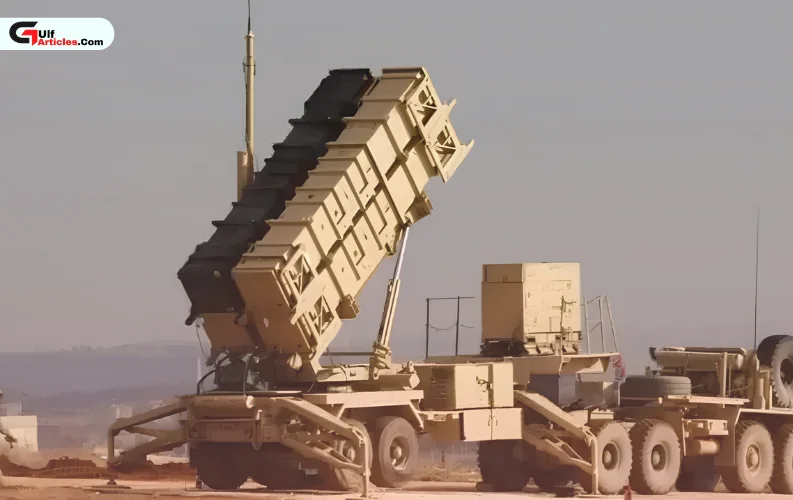
Kuwait City: Kuwait activated its air defense systems on Thursday following reported missile and drone threats, as tensions between the United States and Iran escalated after fresh military strikes overnight. In a statement posted on social media, Kuwait’s armed forces said the country’s air defense systems intercepted incoming aerial threats. The military added that explosion sounds heard in some areas were linked to defensive interception operations.
Authorities did not specify the origin of the reported missile and drone activity.
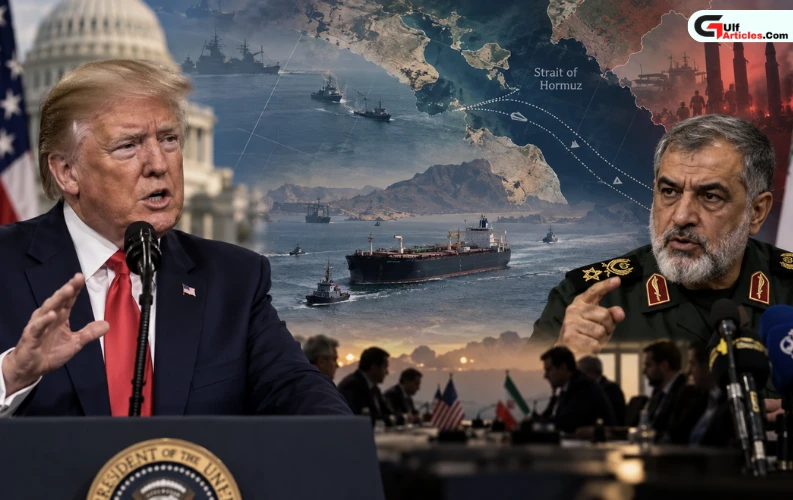
The developments came shortly after new U.S. strikes targeted a military site in Iran that Washington said posed a threat to American forces and commercial maritime traffic near the Strait of Hormuz.
According to U.S. officials, the strikes were aimed at preventing potential attacks against international shipping routes in the Gulf region.
In response, Iran’s Islamic Revolutionary Guard Corps (IRGC) said it launched strikes against a U.S. air base after American operations were carried out near Bandar Abbas airport.
“If it is repeated, our response will be more decisive,” the IRGC said in a statement carried by Iranian state media.
The latest escalation has renewed concerns over security in the Strait of Hormuz, one of the world’s most critical oil shipping routes.
On Wednesday, the United States Department of the Treasury announced new sanctions against Iran’s Persian Gulf Strait Authority, accusing the agency of supporting activities linked to the IRGC.
The Treasury Department warned that entities cooperating with the authority could face sanctions exposure.
Global oil markets reacted sharply to the rising tensions. Brent crude and U.S. West Texas Intermediate (WTI) futures both climbed more than 3% amid fears of potential disruptions to energy supplies and maritime trade in the Gulf.
Despite the renewed military escalation, Marco Rubio said the United States still hopes diplomatic talks with Iran can succeed.
Speaking during a cabinet meeting led by Donald Trump, Rubio said negotiations with Tehran had shown some progress, while adding that Washington continues to keep alternative options available.
The latest developments have heightened regional security concerns as Gulf nations monitor the growing instability surrounding Iran, maritime trade routes, and U.S. military activity in the region.












Comments 0
No comments yet. Be the first to share your thoughts.
Leave a comment
Your email is never published. All fields are required.