

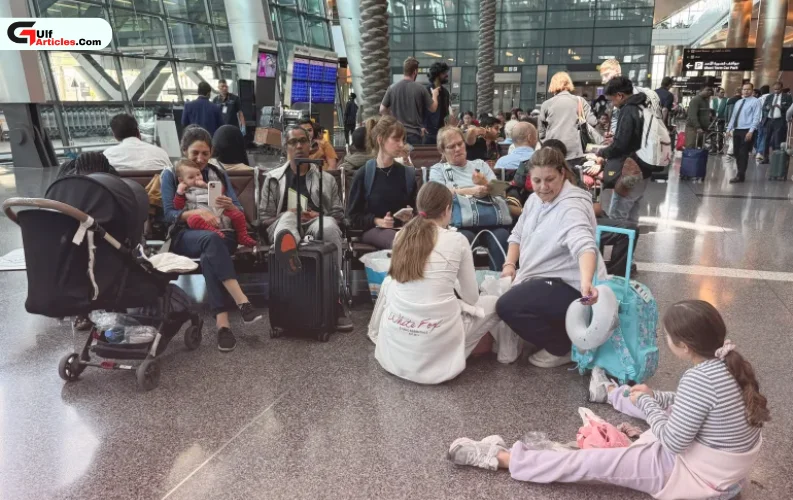
Travellers in the United Arab Emirates are changing how they use air miles as ongoing disruptions linked to the Iran conflict continue to reshape global flight routes and pricing dynamics. Airspace restrictions across key Middle East corridors, combined with higher fuel costs, have forced airlines to reroute flights, reduce capacity and increase fares. The result has been fewer direct routes, longer travel times and persistently elevated ticket prices, pushing travellers to rethink traditional booking strategies.
Frequent flyers are increasingly treating loyalty points as a financial safeguard rather than a luxury perk. Instead of reserving miles for premium cabin upgrades, many travellers are now using them to secure multiple booking options across different routes, allowing flexibility in an uncertain travel environment.
This shift reflects growing volatility in global travel, where schedules and fares can change rapidly. Award bookings, which often come with lower cancellation fees than cash tickets, are being used as a hedge against sudden disruptions and price spikes.
The conflict has disrupted one of the world’s busiest aviation regions, tightening seat availability across both paid and reward bookings. At the same time, concerns over fuel supply linked to the Strait of Hormuz have contributed to higher airfares, increasing demand for alternative payment options such as miles.
Travel data platforms have reported a surge in searches for reward flights, particularly on routes that avoid affected airspace. The rise in demand has made award seats harder to secure, while duplicate bookings aimed at maintaining flexibility have added further pressure on airline inventory systems.
Airlines are responding by tightening loyalty programme rules. Several carriers have introduced stricter cancellation policies, additional fees and penalties to limit speculative bookings that can reduce seat availability for other passengers.
At the same time, the value of air miles is also facing pressure. Adjustments to conversion rates and increases in redemption costs by airlines and financial partners are making it more important for travellers to use their points strategically rather than accumulate them over long periods.
Industry observers note that the evolving travel landscape is forcing passengers to prioritise flexibility over comfort. Many travellers are now choosing to redeem miles for economy seats to secure confirmed travel plans, rather than waiting for high-value premium redemptions.
As uncertainty continues to affect global aviation, air miles are increasingly being viewed as a practical tool to manage risk. For UAE-based travellers, this marks a significant shift in behaviour, where loyalty points are no longer just a reward system but a key part of travel planning in an unpredictable market.
You may also like that news:-













Comments 0
No comments yet. Be the first to share your thoughts.
Leave a comment
Your email is never published. All fields are required.