

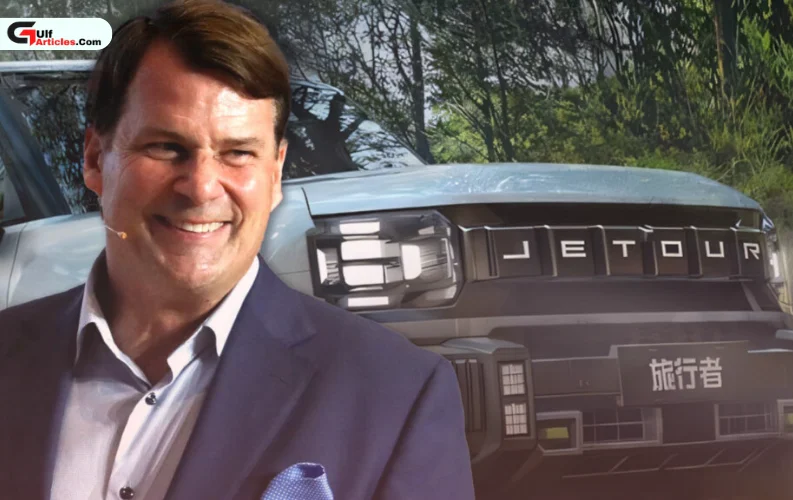
The chief executive of Ford Motor Company has issued a strong warning over the growing threat posed by low-cost Chinese electric vehicles (EVs), cautioning that they could significantly impact the US automotive sector if allowed to enter the market freely. In a recent statement, CEO Jim Farley urged US policymakers to take a firm stance against imports of Chinese-made EVs, citing concerns over unfair competition and long-term economic consequences.
“We should not let them into our country,” Farley said, emphasizing that manufacturing remains central to the US economy. He warned that losing domestic production strength to cheaper imports could have serious implications for jobs and industrial stability.
Rising Cost Pressure on US Automakers
Industry experts note that American-made EVs are typically more expensive due to higher labour costs, strict environmental regulations, and complex compliance requirements. Building and operating manufacturing facilities in the US involves adherence to multiple federal standards, which increases overall production costs.
For example, popular EV models produced domestically are priced significantly higher than their global counterparts, reflecting these structural challenges.
China’s Competitive Advantage
Chinese EV manufacturers, including BYD and NIO, benefit from extensive government support. Subsidies, low-interest loans, and integrated supply chains allow them to produce vehicles at a fraction of the cost.
Some entry-level EV models in China are priced well below $10,000, making them highly attractive to cost-conscious consumers. Lower labour costs and streamlined production systems further strengthen their pricing advantage in global markets.
Security and Data Concerns
Farley also raised national security concerns, highlighting that modern EVs are equipped with advanced sensors and cameras that could potentially collect sensitive data. He warned that widespread adoption of foreign-made connected vehicles could expose critical infrastructure and user data to external risks.
A High-Stakes Industry Challenge
The warning comes at a time of rising global competition in the EV sector, alongside increasing demand driven by fluctuating fuel prices. Analysts believe that if Chinese EVs gain significant access to the US market, it could reshape the competitive landscape and impact employment in key manufacturing regions.
Farley’s remarks underline a broader debate involving trade policy, industrial strategy, and technological security, as the US navigates the future of its automotive industry.
You may also like that news:-













Comments 0
No comments yet. Be the first to share your thoughts.
Leave a comment
Your email is never published. All fields are required.