


Global oil prices moved lower on Wednesday, ending a three-session rally as investors reassessed fuel demand expectations in Asia, reviewed fresh US inventory data, and weighed ongoing concerns surrounding global economic growth.
During Asian trading hours, both Brent crude and US West Texas Intermediate (WTI) futures recorded modest declines after recent gains driven by supply concerns and optimism over steady fuel consumption.
Brent crude futures fell by 73 cents, or 0.73%, to trade near $107 per barrel, while WTI crude dropped 62 cents, or 0.61%, to approximately $101.6 per barrel by mid-morning Tokyo trading.
Market analysts attributed the pullback to a combination of profit booking and softer demand signals emerging from major global economies. Recent economic indicators from China, the world’s largest crude importer, pointed toward slower-than-expected fuel demand growth, prompting traders to revise short-term consumption expectations.
Additional pressure came from mixed inventory reports in the United States. Although certain categories showed stock drawdowns, overall inventory levels remained above seasonal averages, reducing immediate concerns over supply tightness.
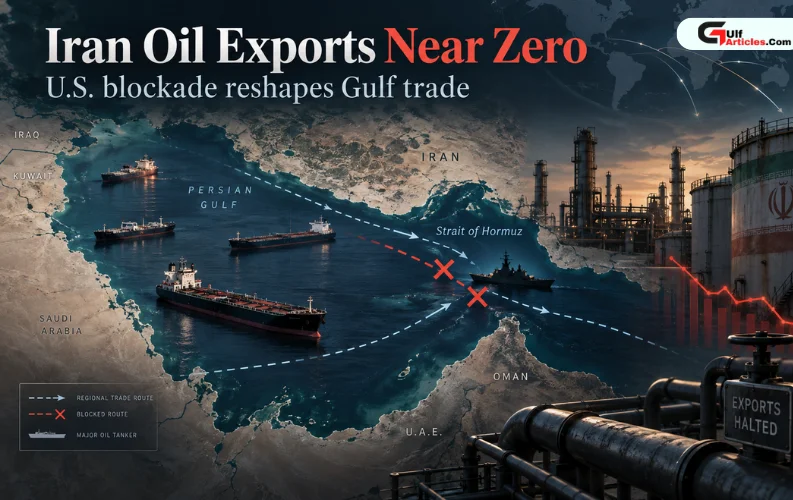
Energy experts also noted that geopolitical tensions in key oil-producing regions continue to remain elevated, particularly around the Strait of Hormuz, but the absence of fresh escalations limited bullish momentum in the market.
Analysts highlighted that physical crude premiums have sharply narrowed in recent weeks as refiners delayed purchases, reduced refinery operations, and relied on existing inventories and strategic reserves. China’s declining crude imports and ongoing refinery maintenance activity have further eased short-term pressure on global supply chains.
Despite the current decline, many market observers believe oil prices could remain supported in the medium term, especially if supply disruptions intensify or summer fuel demand rises more strongly than expected.
Traders are now closely monitoring upcoming inventory reports, economic indicators, and geopolitical developments for further direction in the global energy market.














Comments 0
No comments yet. Be the first to share your thoughts.
Leave a comment
Your email is never published. All fields are required.