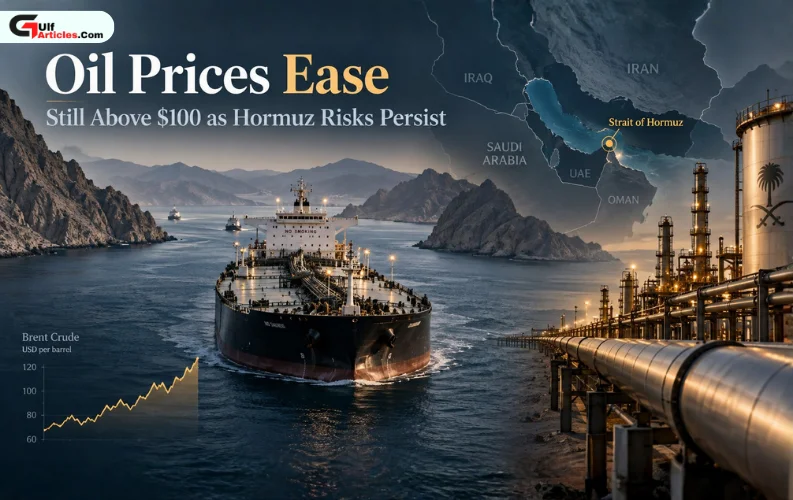


Oil prices surged sharply on Tuesday as rising geopolitical tensions around the Strait of Hormuz triggered fresh concerns over global energy supply. Benchmark Brent crude climbed 5.8% to $114.44 per barrel, gaining $6.27 in early trading, while Murban crude, a key Gulf benchmark, rose 3.4% to $107.30 during Asian market hours. The rally reflects growing market anxiety following renewed instability linked to the fragile ceasefire between United States and Iran.
Escalation Triggers Market Shock
Tensions intensified after reported missile and drone attacks targeting the United Arab Emirates, including energy infrastructure and a major oil port in Fujairah.
The incident marks one of the most serious escalations since the ceasefire agreement reached earlier in April, raising fears of further disruptions to oil production and transportation.
Additionally, reports indicated that an unmanned aerial vehicle targeted an empty tanker linked to ADNOC near the Strait of Hormuz, underlining the vulnerability of maritime oil routes.
Strategic Shipping Routes Under Pressure
The Strait of Hormuz remains one of the world’s most critical energy corridors, handling a significant portion of global oil shipments.
Any disruption in this narrow waterway can immediately impact supply chains, forcing markets to react with increased price volatility.
Recent military activity and threats to commercial vessels have heightened concerns that shipping lanes could be slowed, rerouted, or temporarily blocked.
‘Dual Blockade’ Intensifies Uncertainty
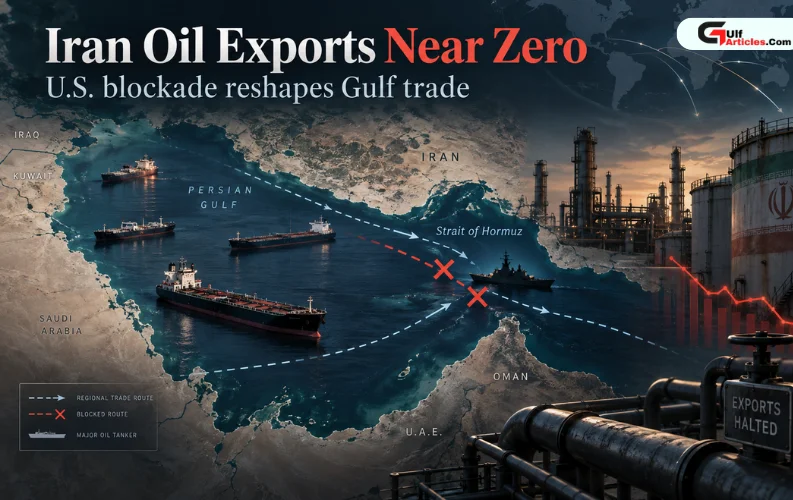
The ongoing Hormuz “Dual Blockade” a standoff between Iran and a US-led coalition has added further pressure on global energy markets.
Following earlier military developments, Iran imposed restrictions on vessels linked to certain nations, while US forces responded with measures aimed at maintaining open navigation and limiting Iranian oil exports.
This evolving confrontation has significantly reduced confidence in supply stability, prompting traders to factor in a higher geopolitical risk premium.
US Military Presence Adds to Market Volatility
In response to the escalation, US naval forces have reportedly increased their presence in the region, escorting commercial ships through the strait.
Engagements between US forces and Iranian vessels have been reported, further intensifying the situation.
Even unverified or conflicting reports of attacks have contributed to market uncertainty, as traders react to potential worst-case scenarios.
Market Outlook Remains Highly Sensitive
Energy markets remain on edge, with prices likely to stay volatile as geopolitical developments unfold.
Analysts suggest that any further disruption in the Strait of Hormuz could lead to additional price spikes, given its central role in global oil supply.
Key Highlights
- Brent crude rises to $114.44 amid supply fears
- Murban crude gains to $107.30 in early trading
- Tensions escalate following attacks in the UAE
- Strait of Hormuz faces renewed disruption risks
- “Dual Blockade” raises global energy uncertainty