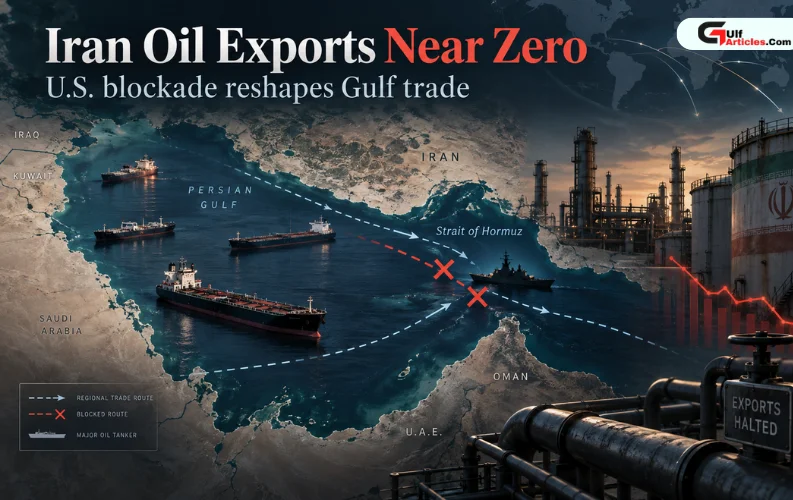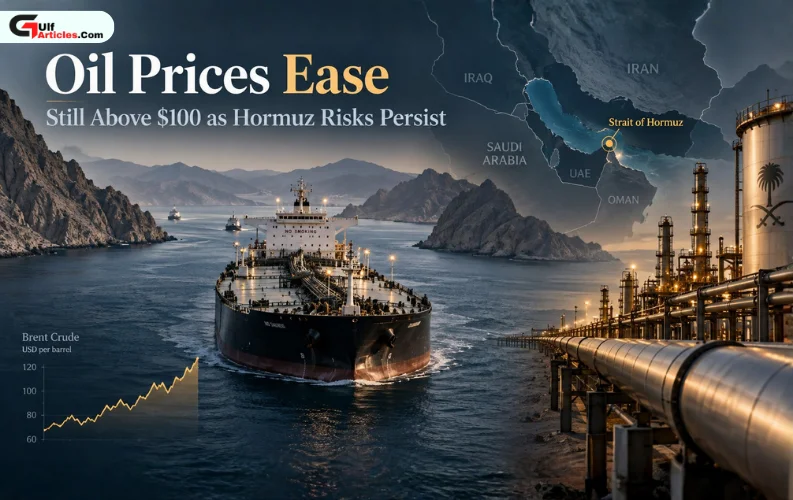

Global oil prices climbed on Monday as renewed tensions between the United States and Iran stalled diplomatic progress and continued disruptions in the Strait of Hormuz tightened supply concerns across energy markets. Brent crude futures and US West Texas Intermediate (WTI) both surged close to 2% in early trading, reaching multi-week highs as traders reacted to growing uncertainty surrounding one of the world’s most critical oil transit routes
Market sentiment was heavily influenced by Iran’s stance in ongoing negotiations, with limited progress raising fears of prolonged instability. The situation has been further compounded by repeated threats from Tehran to restrict tanker movement through the Strait of Hormuz, a narrow waterway responsible for transporting nearly one-fifth of global seaborne oil.
The disruption has effectively reduced normal shipping activity in the region over the past several weeks, forcing markets to factor in a significant risk premium. Industry reports, including those from marine insurers, indicate that uncertainty surrounding safe passage has sharply increased operational risks for tanker operators.
The Strait of Hormuz remains a vital chokepoint for global energy flows, and any sustained disruption has immediate implications for supply chains. Intermittent reopenings of the route have provided limited relief, but continued volatility has kept traders on edge.
The International Energy Agency (IEA) has cautioned that prolonged instability in the region is intensifying one of the most volatile periods for oil markets in recent decades. Rising crude prices are already contributing to increased fuel costs worldwide, impacting economies across Asia, Europe, and beyond.
Analysts suggest that unless diplomatic efforts resume and shipping conditions stabilize, oil markets could remain under upward pressure in the near term. The ongoing geopolitical standoff continues to shape pricing dynamics, with supply security emerging as a central concern for global energy consumers.