

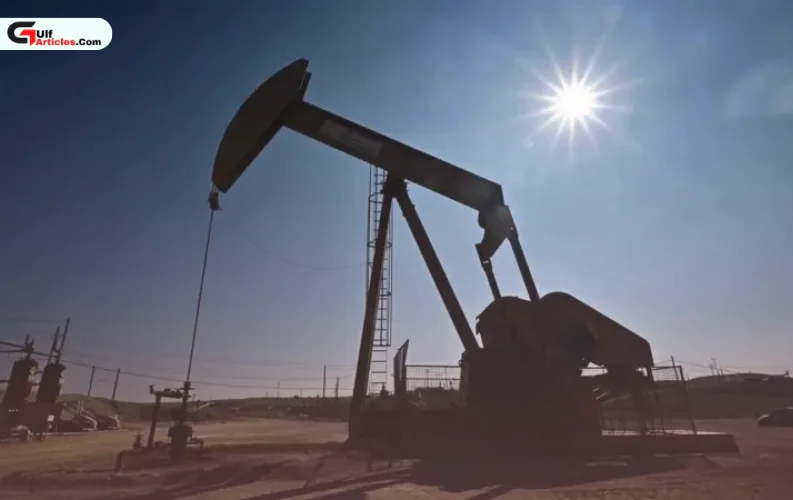
A series of unusually timed oil market trades worth more than $1 billion is drawing scrutiny from U.S. regulators and lawmakers, after investors appeared to take positions shortly before major announcements related to the Iran conflict. The trades, many of which predicted a decline in oil prices, were executed minutes or hours ahead of key geopolitical developments. Their timing and scale have raised questions about whether some traders may have had access to information that was not yet public.
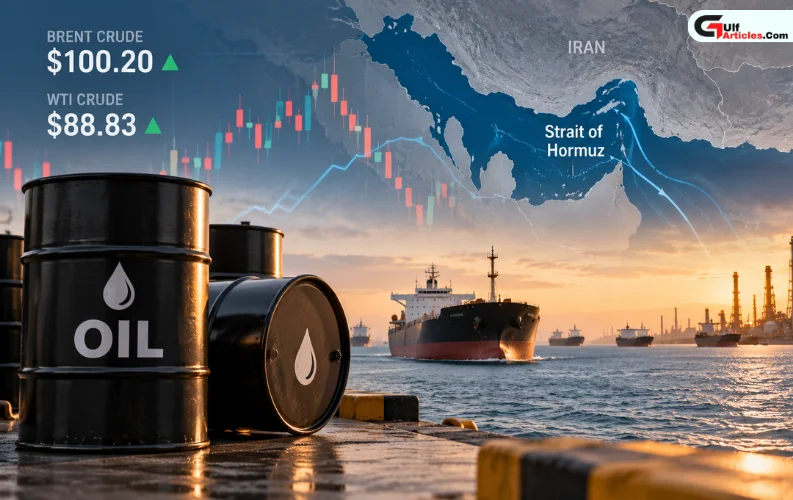
One of the most notable instances occurred on April 17, when traders placed a short position of about $760 million just minutes before an announcement regarding the Strait of Hormuz. Shortly afterward, Iran’s foreign minister confirmed that the vital shipping route had reopened following a ceasefire, triggering a sharp drop in oil prices.
Market data showed a sudden surge in trading activity during that period, with volumes significantly higher than usual. Analysts described the spike as highly irregular for that time window.
Similar patterns have been reported in earlier incidents. In March, traders reportedly placed around $500 million in positions shortly before the United States delayed planned strikes on Iran’s energy sector. Another case on April 7 involved roughly $950 million in trades placed hours before a ceasefire announcement.
In each case, the market moved in line with the trades shortly after the announcements became public, allowing investors to generate substantial profits.
Concerns have also extended beyond traditional markets. Reports indicate that users on online prediction platforms made highly accurate bets on geopolitical events, including military actions and political developments, before they were officially confirmed.
The repeated timing of such activity has prompted calls for investigation. U.S. authorities are examining whether any trading laws were violated, although officials have not confirmed a formal probe.
Experts say proving insider trading in such cases can be difficult, particularly as many transactions are conducted through anonymous or digital platforms that limit transparency.
The developments have raised broader concerns about fairness in global markets. If some participants are consistently able to act ahead of major announcements, it could undermine confidence in how financial markets operate.
Regulators are now focused on determining whether these trades were the result of informed speculation or access to undisclosed information, a distinction that could have significant implications for market oversight going forward.
You may also like that news:-












Comments 0
No comments yet. Be the first to share your thoughts.
Leave a comment
Your email is never published. All fields are required.