


Asian stock markets mostly declined on Friday as investor sentiment remained cautious despite signs of progress in ceasefire talks related to the Middle East conflict. The weakness in regional markets came even as Wall Street continued its strong rally, with US indices hitting record highs. Investors in Asia appeared more cautious, focusing on uncertainty around the stability of the ceasefire and the broader geopolitical situation.
US President Donald Trump said the conflict with Iran could end soon, raising hopes for a resolution. He also confirmed a temporary ceasefire agreement involving Israel and Lebanon, while indicating that further talks between US and Iranian officials could take place in the coming days.
However, market participants remain uncertain about the durability of these developments, especially with an existing ceasefire set to expire later this month.
Across the region, Japan’s Nikkei 225 declined after recent gains, as investors booked profits following record highs. South Korea’s Kospi also moved lower, while Australia’s benchmark index slipped.
Hong Kong shares saw sharper losses, with the Hang Seng index falling over one percent, while mainland Chinese markets also edged lower. In contrast, India’s benchmark index showed slight gains, standing out from the broader regional trend.
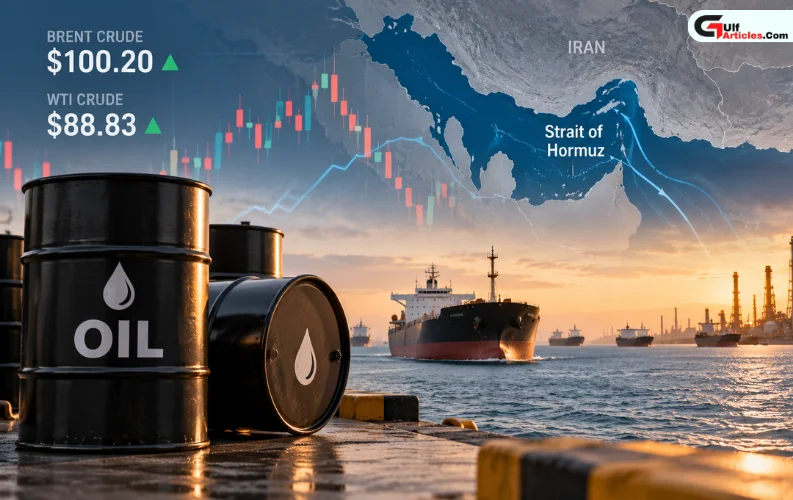
Oil prices eased slightly after recent volatility, with both Brent crude and US crude trading lower. However, prices remain elevated compared to pre-conflict levels, continuing to influence inflation expectations and market sentiment.
Investors are also monitoring central bank signals and currency movements, particularly in Japan, where policymakers have highlighted the impact of energy price volatility on the economy.
Overall, markets in Asia remain sensitive to geopolitical developments, with investors balancing optimism over potential peace talks against ongoing uncertainty in the region.














Comments 0
No comments yet. Be the first to share your thoughts.
Leave a comment
Your email is never published. All fields are required.