


The outlook for UAE fuel prices has become increasingly uncertain after global crude oil prices climbed sharply amid renewed geopolitical tensions in the Gulf region.
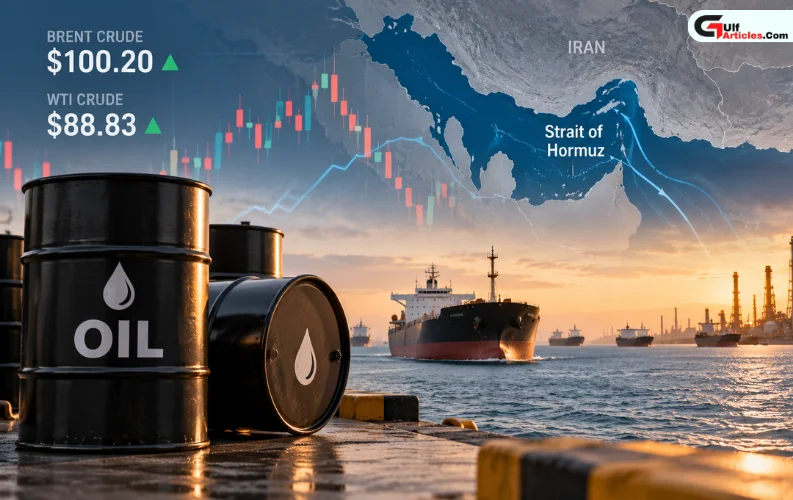
Brent crude, the international benchmark, traded above $85 per barrel on Tuesday, while West Texas Intermediate (WTI) rose above $80 per barrel, marking one of the strongest gains in recent weeks. The rally followed reports of heightened security concerns in and around the Strait of Hormuz, a critical maritime route for global oil shipments.
The increase in oil prices comes after a period of relative stability, during which expectations of improving regional security and stronger oil supplies had supported a softer outlook for crude markets. However, the latest developments have prompted traders to reassess potential supply risks, pushing prices higher.
Although the jump in crude prices has raised concerns among motorists, industry observers say it is unlikely to have an immediate impact on fuel prices in the UAE.
The UAE adjusts petrol and diesel prices monthly based on the average international oil prices recorded during the previous month rather than reacting to daily fluctuations in the global market. As a result, short-term volatility typically has limited influence unless higher oil prices persist over an extended period.
Analysts believe the direction of the next fuel price revision will largely depend on whether Brent crude remains above current levels or retreats as geopolitical tensions ease.
Energy markets continue to monitor developments in the Strait of Hormuz, one of the world's busiest oil transit routes. Any disruption to shipping activity in the region can significantly influence global oil prices due to concerns over supply continuity.
Despite the recent rally, several market analysts continue to expect oil prices to moderate later this year, supported by improving global supply conditions, additional production from OPEC+ members, and slower growth in worldwide energy demand. However, they caution that renewed geopolitical instability could delay that trend.
Market participants are closely watching several factors that could shape future fuel prices, including international crude oil averages, regional security conditions, OPEC+ production decisions, and diplomatic efforts aimed at maintaining stability in the Gulf.
For UAE motorists, the latest surge in oil prices has made the fuel price outlook less predictable. While a temporary spike is unlikely to trigger immediate increases at the pump, sustained strength in global crude prices could influence future monthly fuel price revisions if market conditions remain elevated.
You may also like that news:-














Comments 0
No comments yet. Be the first to share your thoughts.
Leave a comment
Your email is never published. All fields are required.