
whatsapp

Going Cashless in UAE: Tourists Tap into Seamless Digital Payments

/media/GA_eMTHzhG._5.webp © Image Copyrights Title

Tourists travelling to the UAE are increasingly opting for digital payments as the country strengthens its position as one of the world’s most cashless destinations. From luxury malls in Dubai to local cafés in Abu Dhabi, cashless transactions are widely accepted, with credit cards, mobile wallets, and prepaid options becoming the norm.

Most international credit and debit cards, especially Visa and Mastercard, are accepted at hotels, shops, taxis, and restaurants. While American Express is also usable at several locations, travellers are advised to pay in UAE dirhams (AED) rather than their home currency to avoid conversion fees. Experts also recommend notifying banks before travel to prevent card blocks due to foreign activity.

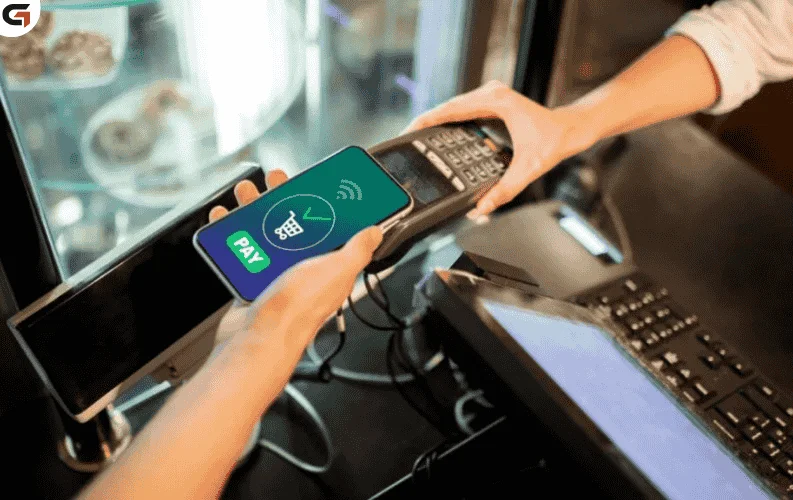
Digital payment adoption is supported by near-universal access to contactless terminals. Mobile wallet users can rely on Apple Pay, Google Pay, and Samsung Wallet for tap-and-go convenience. These services work seamlessly with most UAE retailers, allowing tourists to make purchases using smartphones or smartwatches.

In addition to global apps, the UAE offers several local digital wallets. Services such as e& money (formerly Etisalat Wallet), du Pay, Payit by First Abu Dhabi Bank, Careem Pay, and Klip provide access to virtual cards, peer-to-peer transfers, and local promotions. However, many of these services require a UAE SIM card or Emirates ID for full functionality, limiting access for short-term visitors.

Prepaid travel cards are another popular option for tourists seeking spending control. Offered by exchange houses such as Al Ansari Exchange and Al Fardan Exchange, products like TravelCard and Travelez Plus allow users to lock exchange rates and use the card across multiple outlets. These cards are not linked to a bank account and provide added security for travellers.

Despite the widespread digital infrastructure, officials still recommend carrying a small amount of AED in cash. Traditional markets (souks), independent vendors, and taxis in remote areas may not always accept cards. Tourists can access ATMs throughout the UAE using international cards, though daily withdrawal limits typically cap at Dh5,000.

With seamless card usage, digital wallets, and secure prepaid solutions, the UAE continues to lead the region in cashless tourism, offering convenience, flexibility, and peace of mind to international visitors.

Commnets 0
Leave A Comment

Related Posts
© Modon Sells Out Dh1.25 Billion Worth of Bashayer Homes on Hudayriyat Island in 24 Hours

Modon Sells Out Dh1.25 Billion Worth of Bashayer Homes on Hudayriyat Island in 24 Hours

Abu Dhabi-based developer Modon has sold all 300 residences in the final phase of its Bashayer waterfront community on Hudayriyat Island within 24 hours of launch, generating approximately Dh1.25 bill...

© UAE's EDGE to Acquire Brazil's AKAER in Strategic Aerospace Expansion

UAE's EDGE to Acquire Brazil's AKAER in Strategic Aerospace Expansion

UAE-based defence and advanced technology group EDGE has signed an agreement to acquire a 100 percent stake in Brazilian aerospace engineering company AKAER, marking a significant step in its global e...

© SK Hynix Shares Tumble 11% as Global Chip Sell-Off Spreads Across Asian Markets

SK Hynix Shares Tumble 11% as Global Chip Sell-Off Spreads Across Asian Markets

SK Hynix shares plunged more than 11% on Thursday, leading a broad sell-off in Asian semiconductor stocks after weakness in U.S. chipmakers triggered fresh concerns over elevated valuations in the art...

© UAE Fuel Price Outlook Uncertain as Global Oil Prices Surge Above $85

UAE Fuel Price Outlook Uncertain as Global Oil Prices Surge Above $85

The outlook for UAE fuel prices has become increasingly uncertain after global crude oil prices climbed sharply amid renewed geopolitical tensions in the Gulf region....

© Oil Prices Climb as Strait of Hormuz Tensions Renew Global Supply Concerns

Oil Prices Climb as Strait of Hormuz Tensions Renew Global Supply Concerns

Global Markets: Crude oil prices extended their upward momentum on Tuesday after renewed geopolitical tensions in the Middle East raised fresh concerns about the stability of global energy supplies. I...

© Global Oil Demand Set for First Annual Decline Since COVID-19, IEA Warns

Global Oil Demand Set for First Annual Decline Since COVID-19, IEA Warns

Global oil demand is expected to record its first annual decline since the COVID-19 pandemic, according to the latest monthly report from the International Energy Agency (IEA). The agency forecasts th...

© Nasdaq Dubai Records $13.8 Billion in New Fixed-Income Listings in 2026

Nasdaq Dubai Records $13.8 Billion in New Fixed-Income Listings in 2026

Nasdaq Dubai has added 33 new fixed-income listings worth $13.8 billion since the start of 2026, reinforcing Dubai's position as one of the world's leading hubs for sukuk and debt capital markets. Int...

© Ajman Bank Raises $300 Million Through Debut AT1 Sukuk Priced at 6.5%

Ajman Bank Raises $300 Million Through Debut AT1 Sukuk Priced at 6.5%

Ajman Bank has successfully completed its inaugural $300 million Additional Tier 1 (AT1) Perpetual Non-Call 5.5-Year Sukuk, pricing the issuance at a 6.5% profit rate. The milestone transaction streng...

© Oil Prices Jump Over 3% as Iran Tensions Stoke Strait of Hormuz Supply Fears

Oil Prices Jump Over 3% as Iran Tensions Stoke Strait of Hormuz Supply Fears

Global oil prices surged more than 3% during early Asian trading on Wednesday after renewed military tensions involving Iran heightened concerns over the security of the Strait of Hormuz, a vital mari...

© OPEC+ Approves August Oil Output Increase as Crude Prices Ease

OPEC+ Approves August Oil Output Increase as Crude Prices Ease

Seven members of the OPEC+ alliance have agreed to increase their combined crude oil production by 188,000 barrels per day (bpd) in August, extending the group's gradual supply expansion as global oil...