
whatsapp

Airbus Signs $666M Titanium Supply Deal with Saudi Arabia as Part of Jet Order

/media/gulfarticles_3_exVYAw4.webp

European aerospace giant Airbus SE has struck a major deal with Saudi Arabia to source $666 million worth of titanium, aligning with a broader agreement that includes an aircraft purchase by the Kingdom’s national airline.

The deal, valued at 2.5 billion Riyals, was signed on Wednesday and marks a strategic shift in Airbus’s raw material supply chain, which has been under pressure due to global sanctions and trade tensions.

Titanium Supply Realigned Amid Global Constraints

With Russia — a leading exporter of titanium — facing Western sanctions due to its invasion of Ukraine, global aerospace players like Airbus and Boeing have scrambled to secure alternative supply channels. The Airbus–Saudi deal is seen as a significant step in diversifying sourcing options and insulating production from geopolitical shocks.

The lightweight metal is a critical input in aircraft manufacturing, prized for its strength-to-weight ratio, and is also used in sectors ranging from spacecraft to consumer electronics.

Aircraft Deal Strengthens A330neo Market

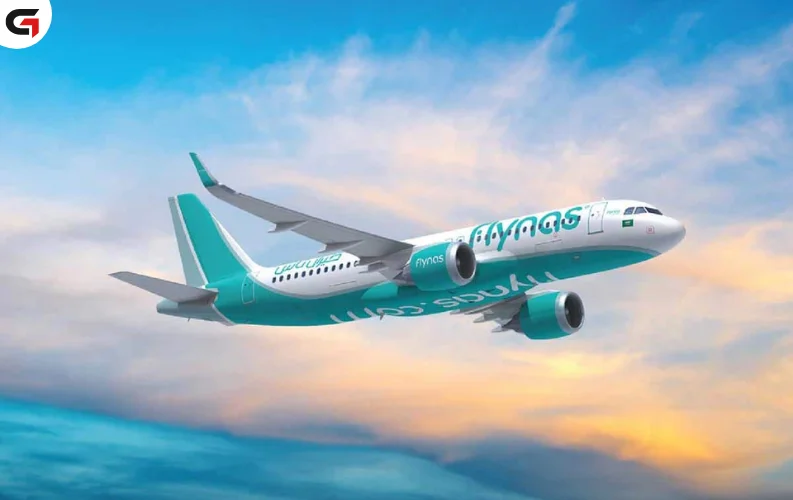
The agreement also includes a firm order from Saudia, Saudi Arabia’s flagship carrier, for 10 Airbus A330neo widebody jets, with purchase rights for 10 additional aircraft.

The A330neo, once facing limited demand, has seen a resurgence in popularity due to its favorable economics and availability, as long-haul air travel continues to rebound post-pandemic.

Saudi Arabia's Aviation Ambitions Take Flight

The titanium supply deal and aircraft purchase are part of the Kingdom’s ambitious strategy to become a global aviation and tourism hub. Backed by the country’s Vision 2030 blueprint, Saudi Arabia is investing heavily in:

  • Fleet expansion for both Saudia and the new airline Riyadh Air

  • New international airports and infrastructure

  • Luxury tourism and hospitality development

The focus on localizing production across key industries — including aerospace and automotive — also aligns with the country’s goal to boost domestic manufacturing capabilities and reduce dependency on foreign imports.

Tariff Risks and Supply Chain Shifts Loom

The Airbus-Saudi pact comes as global aerospace supply chains remain vulnerable to tariff disputes, especially amid speculation over reciprocal trade moves by the Trump administration.

With aircraft manufacturers facing increased material costs and tighter delivery timelines, partnerships like this are crucial to maintaining production stability.

Commnets 0
Leave A Comment

Related Posts

A-MAP Showcases UAE Pride at ADNOC Voyager Dealer Meet 2026, Launches Voyager Gold

Al Muqarram Auto Parts LLC (A-MAP) celebrated its partnership with ADNOC Voyager and the strength of the UAE automotive aftermarket at the fourth ADNOC Voyager Dealer Meet Dubai 2026, held under the t...

Etihad Rail Freight Launches Direct Fujairah-Abu Dhabi Cargo Service

Etihad Rail Freight and AD Ports Group have launched a direct rail freight service connecting Fujairah Terminals with the Industrial City of Abu Dhabi (ICAD), creating a new cargo route designed to ma...

‘AI Is Not Going to Smile at You’: Rotana CEO on UAE Hotels, Recovery and Growth

Artificial intelligence may transform parts of the hotel industry, but it will not replace the human connection that sits at the heart of hospitality, according to Rotana CEO Philip Barnes....

Oil Prices Fall, Brent Slides to $103 per Barrel, WTI at $100

Oil prices continued to decline on Friday, extending losses for a third consecutive session as signs of alternative supply routes eased some concerns over disruptions in the Middle East....

dnata CEO Sees Dubai Travel Demand Fully Turning Around in Q1 2027 as Cargo Posts ‘Mega Growth’

Dubai’s travel market could see a strong recovery in early 2027, with dnata CEO Nabil Sultan expecting a “complete turnaround” in passenger demand during the first quarter as international airlines re...

Iran Oil Exports ‘Near Zero’ as US Blockade Reshapes Gulf Trade

Iran’s oil exports have fallen to near-zero levels as a U.S. naval blockade and continuing disruption around the Strait of Hormuz prevent much of Tehran’s crude from reaching international buyers....

Indian Rupee, Pakistani Rupee and Philippine Peso Stay Soft, Lifting Dirham Value for Expats

UAE expatriates sending money to India, Pakistan and the Philippines are getting a stronger exchange-rate advantage as the Indian rupee, Pakistani rupee and Philippine peso remain weak against the UAE...

Oil Prices Ease but Remain Above $100 as Hormuz Risks Persist

Oil prices edged lower in early Monday trading after a sharp weekly rally, but crude remained firmly above $100 a barrel as attacks on shipping and disruption to a major Saudi pipeline kept global sup...

Arabian Travel Market at 33: From Dubai Attractions to the Global Tourism Trends That Shaped Travel

The Arabian Travel Market (ATM) is entering its 33rd edition this month, reflecting how dramatically Dubai and the wider Middle East have changed the global tourism landscape over the past three decad...

Saudi Oil Pipeline May Be Hit as Houthi Attacks Escalate: Report

Saudi Arabia's oil infrastructure is facing growing security risks as Iran-backed Houthi forces intensify attacks in and around the kingdom, raising concerns that critical pipelines and export routes ...