

Skip to content

Discover a different perspective

Business

What Are Some Successful and Unique Business Ideas?

What Are Some Successful and Unique Business Ideas?
Share this article
Text size 14px
Comment

In today's dynamic and competitive entrepreneurial landscape, having a business idea that stands out from the crowd can be the difference between surviving and thriving. While many conventional businesses succeed, it is often the unique and innovative ventures that capture attention, generate buzz, and create new markets. Whether you’re a budding entrepreneur or a seasoned business owner looking for your next big idea, exploring distinctive and proven concepts can spark your next venture.

This article showcases a diverse range of successful and unique business ideas, combining creativity with market demand. These ideas blend innovation, practicality, and scalability—proving that with the right execution, even unconventional businesses can be highly profitable.

1. Subscription Boxes for Niche Interests

Subscription box services have exploded in popularity, but the most successful ones serve highly targeted markets. From dog lovers and book enthusiasts to spiritual healing and eco-conscious consumers, curated monthly deliveries continue to captivate.

Examples:

  • A monthly box for plant lovers featuring seeds, soil, and planters

  • A self-care box for busy moms with skincare and mental wellness tools

  • A gaming accessories subscription tailored for retro gamers

Why It Works: Niche markets are easier to dominate, and recurring revenue models provide predictable cash flow.

2. Mobile Car Services

Instead of a traditional auto shop, entrepreneurs are creating mobile businesses that offer oil changes, detailing, or tire replacements at the customer's home or workplace.

Unique Angle: Use eco-friendly products and digital scheduling to appeal to environmentally conscious, tech-savvy customers.

Success Factor: Convenience is king—especially for time-strapped professionals and families.

3. Online Learning Platforms for Specific Skills

While online education is booming, platforms that teach hyper-specific skills are particularly effective.

Ideas:

  • Teaching watercolor painting to beginners

  • Helping engineers improve technical writing

  • Mentoring young professionals on remote work etiquette

Monetization: Offer memberships, downloadable resources, and one-on-one coaching.

4. Pet-Focused Services and Products

Pet ownership continues to rise globally, creating strong demand for specialized products and services.

Examples:

  • Custom pet portraits or paw print jewelry

  • Pet travel concierge services

  • Monthly toy and treat boxes tailored by breed

Why It’s Unique: Personalization and emotional connection to pets open opportunities for high-margin, repeat sales.

5. Smart Home Integration Consultant

With smart homes gaining popularity, many consumers seek help configuring their devices.

Services Offered:

  • Setting up automation (lights, security, appliances)

  • Troubleshooting and syncing devices

  • Educating homeowners on safety and optimization

Target Market: Homeowners aged 35–60 upgrading to tech-enabled living spaces.

6. Vertical Farming and Urban Agriculture

Small-scale indoor farming allows city dwellers and entrepreneurs to grow microgreens, herbs, and vegetables year-round.

Business Models:

  • Supplying local restaurants with premium produce

  • Selling direct-to-consumer via subscription or local markets

  • Offering farm tours and educational experiences

Success Insight: Sustainability and local sourcing appeal to eco-conscious buyers.

7. Ethical and Sustainable Fashion Brands

Fast fashion backlash has given rise to brands focused on slow, ethical, and sustainable apparel.

Ideas:

  • Clothing made from recycled ocean plastics

  • Gender-neutral fashion for Gen Z audiences

  • Accessories made by artisans from underserved communities

Growth Path: Pair eCommerce with social impact storytelling and influencer collaborations.

8. Ghost Kitchens or Delivery-Only Restaurants

The rise of food delivery apps has enabled restaurants to launch without physical dining spaces.

Unique Spin: Create a themed menu (e.g., grilled cheese fusion, spicy-only dishes) or operate multiple brands from one kitchen to target different audiences.

Why It Succeeds: Lower overhead costs with potential for high volume through online channels.

9. Home-Based Eco-Friendly Product Lines

People increasingly want sustainable alternatives for household goods.

Ideas Include:

  • Reusable beeswax wraps

  • DIY eco-cleaning kits

  • Plastic-free bathroom essentials (shampoo bars, bamboo toothbrushes)

Bonus: These businesses are scalable via platforms like Etsy, Amazon Handmade, and farmer’s markets.

10. Experience-Based Gifting Platforms

Consumers are shifting from material gifts to experiential ones.

Examples:

  • Curated surprise dates for couples

  • Local food-tasting tours or chef-at-home experiences

  • Adventure experiences like paddleboarding or rock climbing lessons

Revenue Strategy: Partner with local providers, offer gift cards, and focus on seamless booking UX.

Conclusion

The best business ideas are those that serve a real need, offer a compelling experience, and reflect the values of modern consumers. Whether it’s convenience, personalization, sustainability, or emotional connection, today’s successful and unique ventures go beyond just selling a product—they create meaning.

As an aspiring entrepreneur, think beyond traditional boundaries. Consider what excites you, where the market is heading, and how you can deliver value in a fresh way. The future belongs to bold thinkers who are willing to do things differently—and smartly.

Need Help Turning an Idea into a Business?

  • Use our Idea Validation Toolkit

  • Download the One-Page Startup Plan

  • Explore business name generators and domain checkers

  • Get access to funding and marketing resources for unique startups


You may also like:-
Comments 0

No comments yet. Be the first to share your thoughts.

Leave a comment

Your email is never published. All fields are required.

Related Stories

Continue reading from Gulf Articles

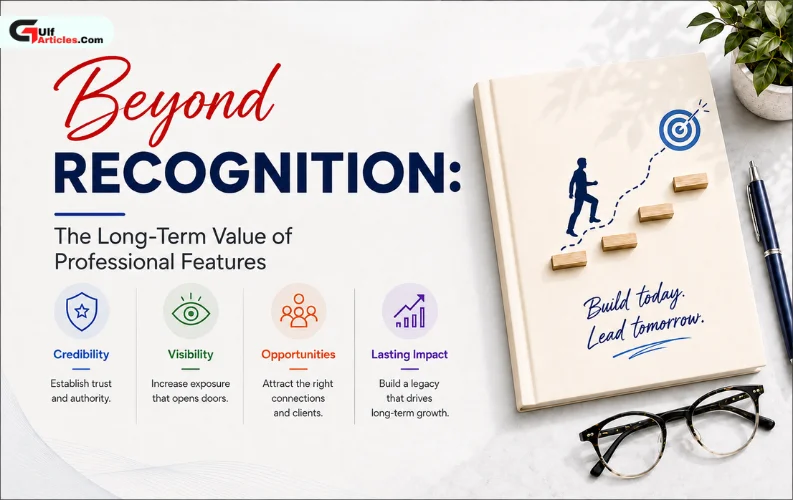
Beyond Recognition: The Long-Term Value of Professional Features

Beyond Recognition: The Long-Term Value of Professional Features

In today's fast-moving and highly competitive business environment, professional recognition is often viewed as a milestone of success. Whether through industry awards, executive profiles, leadership rankings, media interviews, or feature stories in respected publications, recognition serves as an acknowledgment of achievement and expertise. However, while many professionals focus on the immediate visibility that comes with being featured, the true value of professional features extends far beyond a moment of recognition.

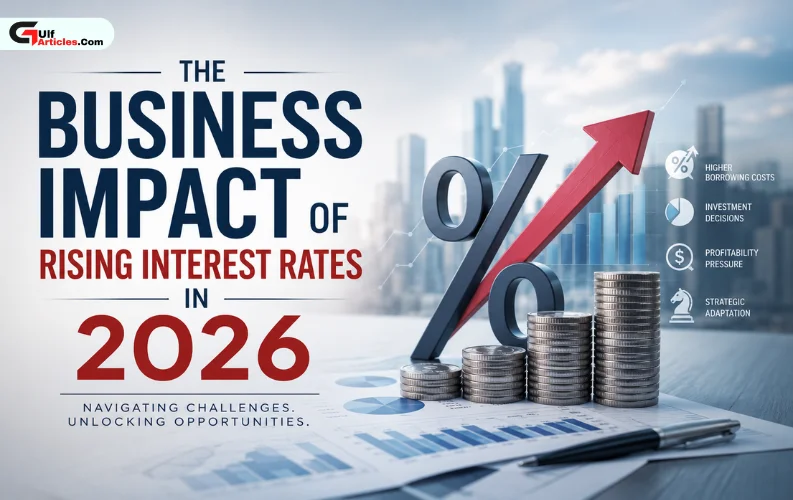
The Business Impact of Rising Interest Rates in 2026: Navigating a New Economic Reality

The Business Impact of Rising Interest Rates in 2026: Navigating a New Economic Reality

Interest rates have always played a critical role in shaping economic activity, but in 2026, they have become one of the most closely monitored factors influencing business performance worldwide. Following years of inflation concerns, economic adjustments, and monetary policy interventions by central banks, many businesses are operating in an environment where borrowing costs remain significantly higher than they were during the era of ultra-low interest rates.

Key Business Insights from G20 Economic Discussions

Key Business Insights from G20 Economic Discussions

The Group of Twenty (G20) remains one of the most influential forums for international economic cooperation, bringing together the world's largest developed and emerging economies. Collectively, G20 members account for approximately 85% of global GDP, more than 75% of international trade, and around two-thirds of the world's population, making the group's discussions highly relevant to businesses operating in today's interconnected global economy.

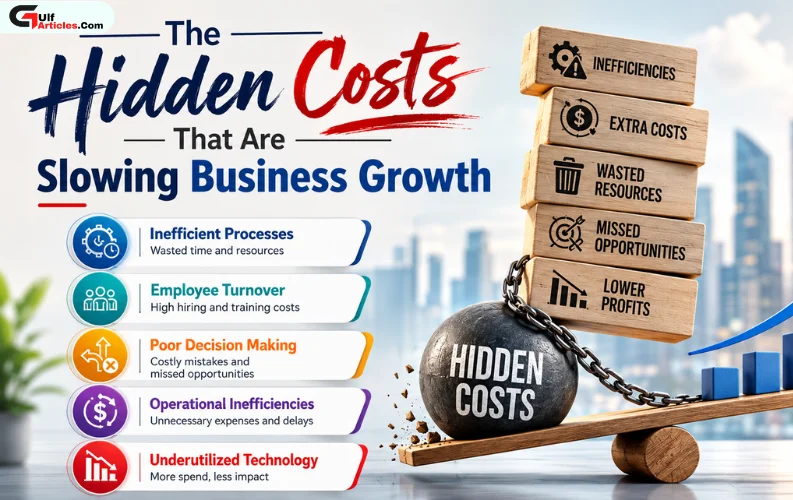
The Hidden Costs That Are Slowing Business Growth

The Hidden Costs That Are Slowing Business Growth

When business leaders discuss growth, the conversation often revolves around increasing revenue, expanding into new markets, attracting customers, launching products, or investing in innovation. These are visible and measurable drivers of growth, making them natural areas of focus for executives and entrepreneurs alike. However, many organizations overlook a less obvious factor that can have an equally significant impact on long-term success: the hidden costs embedded within everyday business operations.

Building a Business While Managing Multiple Roles: A Practical Perspective

Building a Business While Managing Multiple Roles: A Practical Perspective

For many entrepreneurs especially women building a business is rarely a single-focus journey. It often exists alongside multiple responsibilities: managing a household, raising a family, maintaining personal commitments, and navigating professional expectations. Unlike traditional business narratives that emphasize singular focus and uninterrupted scaling, the reality for many founders is far more layered.

The Reality of Leadership: Balancing Vision with Execution

The Reality of Leadership: Balancing Vision with Execution

Leadership is often framed around vision, the ability to anticipate change, define direction, and inspire others toward a future that does not yet exist. While this remains an essential attribute, it represents only one dimension of effective leadership. In practice, organizations do not succeed because of vision alone. They succeed because that vision is translated into consistent, measurable execution. This is where leadership becomes difficult. The gap between what leaders intend to achieve and what organizations actually deliver is often where performance breaks down. In today’s environment, defined by rapid change, operational complexity, and heightened expectations, the ability to balance vision with execution is no longer optional. It is a core leadership requirement.

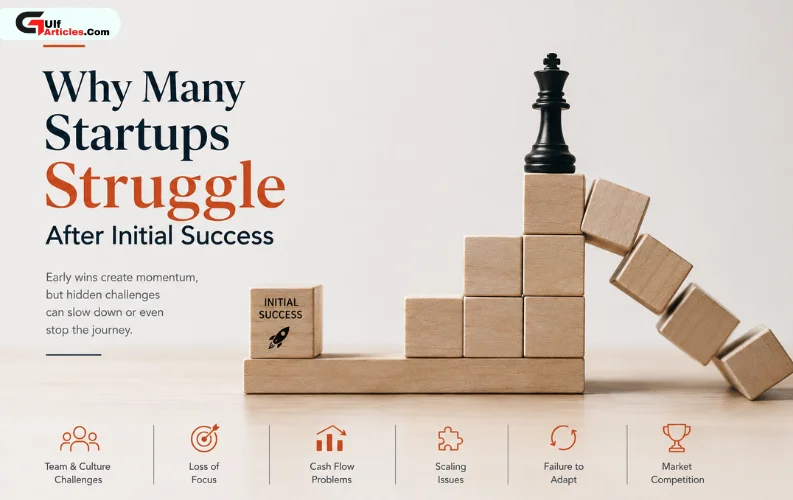
What Kills Profitable Businesses After the First Three Years

What Kills Profitable Businesses After the First Three Years

For many founders, the third year of business is quietly reassuring. The company has survived its most fragile phase. Revenue is consistent. Clients return. Cash is moving, even if imperfectly. From the outside, the business appears stable, perhaps even successful. Internally, however, this period is often when the foundations begin to weaken. Contrary to popular belief, businesses rarely fail because they never achieved profitability. They fail after profitability, when early urgency fades and complexity increases faster than capability. The first three years are about survival. What comes after is about endurance—and the demands of endurance are far less forgiving. The businesses that collapse at this stage are not reckless or poorly conceived. They are often well-intentioned, hard-working, and outwardly functional. What kills them is not a single mistake, but a slow misalignment between how the business operates and what its new scale requires.

When Growth Becomes the Risk: A Reality Check for Businesses

When Growth Becomes the Risk: A Reality Check for Businesses

For most businesses, growth is framed as a solution. More customers, higher revenue, wider reach—these are the signals founders are taught to chase. Growth promises security, validation, and relevance. Yet, across industries and geographies, a striking pattern repeats itself: many businesses encounter their greatest instability not during struggle, but during expansion.