

Skip to content

Discover a different perspective

Business

I Want to Run a Business on My Own. What Are Some Ideas?

I Want to Run a Business on My Own. What Are Some Ideas?
Share this article
Text size 14px
Comment

Running a business solo offers the freedom to make decisions independently, set your own schedule, and pursue your passions without compromise. Many successful ventures have started as one-person operations—built from a combination of dedication, creativity, and strategic execution. Whether you're looking to leave a traditional job, supplement your income, or fulfill a long-held dream, solo entrepreneurship can be a rewarding path.

This article explores business ideas specifically designed for individuals who want to work independently. These ideas require minimal staffing, lean operational costs, and scalable potential, making them ideal for solo founders.

Why Choose a Solo Business?

Starting a business on your own offers numerous benefits:

  • Full control over your business direction

  • Lower overhead costs (no payroll or office expenses)

  • Flexible working hours

  • Direct connection with clients or customers

  • Complete ownership of profits and decisions

However, it also requires resilience, self-discipline, and the ability to manage multiple functions, from sales and marketing to customer service and operations.

Service-Based Solo Business Ideas

These businesses are built around your personal skills and can be run entirely by one person, either full-time or as a side hustle.

1. Freelance Writing or Editing Ideal for those with strong language skills. Serve blogs, magazines, agencies, or corporate clients.

2. Virtual Assistance Offer admin support, calendar management, research, or customer service for busy professionals.

3. Personal Fitness Training Run one-on-one sessions in person or online, design fitness programs, or sell memberships.

4. Tutoring or Online Teaching Teach academic subjects, test prep, or specialized skills (music, language, coding) via Zoom or in person.

5. Handyman or Home Repair Services Help homeowners with repairs, painting, installations, or light renovation work.

Product-Based Solo Business Ideas

These businesses are great for creators, crafters, and curators. Many can start from home and grow through digital channels.

1. Handmade Goods Seller Create and sell candles, soaps, jewelry, or art on Etsy, Shopify, or at local markets.

2. Print-on-Demand Business Design custom graphics for apparel, mugs, or stationery. Fulfillment is automated via third-party platforms.

3. Subscription Box Curator Build a themed monthly box (self-care, snacks, crafts) around your passion and target market.

4. Secondhand Product Reseller Flip clothing, books, or furniture found in thrift stores and sell online (eBay, Poshmark, Facebook Marketplace).

5. Urban Farming or Microgreens Business Grow high-demand greens and herbs from your home or a small indoor setup and sell locally.

Digital and Online Solo Businesses

If you prefer digital tools and virtual clients, these options offer location independence and low overhead.

1. Blogging and Affiliate Marketing Create niche content and earn commissions through affiliate partnerships and ads.

2. YouTube Channel or Podcasting Monetize through sponsorships, ads, and digital product sales.

3. Online Course Creator Package your expertise into a course on platforms like Teachable, Udemy, or your own website.

4. SEO Consultant or Digital Marketer Help businesses improve their search visibility, social media, or content strategies.

5. Stock Photography or Digital Art Sales Create and license images or illustrations via stock photo sites or your own storefront.

Coaching and Consulting Solo Businesses

If you have deep knowledge or experience in a particular field, offer one-on-one consulting or coaching services.

Popular Niches:

  • Life and wellness coaching

  • Career or interview coaching

  • Business strategy for startups

  • Personal finance or budgeting

  • Relationship or parenting support

These models allow for high-value client engagements and flexible scheduling.

Tips for Running a Business Alone Successfully

  1. Automate Where Possible: Use tools like Calendly, QuickBooks, and Mailchimp to reduce manual work.

  2. Set Clear Goals and Routines: Stay disciplined with a weekly plan and performance tracking.

  3. Use Freelancers for Support: Outsource occasional design, tech, or admin work to maintain focus.

  4. Invest in Branding and Online Presence: A professional website and active social media build trust.

  5. Stay Connected: Join networking groups, attend webinars, and seek mentorship to avoid isolation.

Conclusion

Starting and running a business on your own is both challenging and deeply empowering. With the right idea and tools, you can build something meaningful, profitable, and aligned with your lifestyle goals. Whether you’re crafting handmade goods, offering digital services, or educating others through online platforms, there are countless ways to succeed as a solo entrepreneur.

Choose a business that fits your strengths, start small, and grow intentionally. Your independence is your superpower—use it to build the future you envision.


You may also like:-
Comments 0

No comments yet. Be the first to share your thoughts.

Leave a comment

Your email is never published. All fields are required.

Related Stories

Continue reading from Gulf Articles

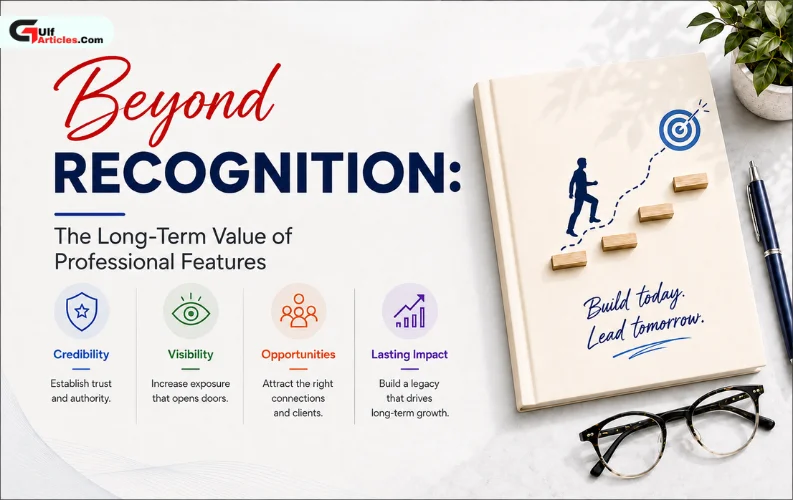
Beyond Recognition: The Long-Term Value of Professional Features

Beyond Recognition: The Long-Term Value of Professional Features

In today's fast-moving and highly competitive business environment, professional recognition is often viewed as a milestone of success. Whether through industry awards, executive profiles, leadership rankings, media interviews, or feature stories in respected publications, recognition serves as an acknowledgment of achievement and expertise. However, while many professionals focus on the immediate visibility that comes with being featured, the true value of professional features extends far beyond a moment of recognition.

The Business Impact of Rising Interest Rates in 2026: Navigating a New Economic Reality

The Business Impact of Rising Interest Rates in 2026: Navigating a New Economic Reality

Interest rates have always played a critical role in shaping economic activity, but in 2026, they have become one of the most closely monitored factors influencing business performance worldwide. Following years of inflation concerns, economic adjustments, and monetary policy interventions by central banks, many businesses are operating in an environment where borrowing costs remain significantly higher than they were during the era of ultra-low interest rates.

Key Business Insights from G20 Economic Discussions

Key Business Insights from G20 Economic Discussions

The Group of Twenty (G20) remains one of the most influential forums for international economic cooperation, bringing together the world's largest developed and emerging economies. Collectively, G20 members account for approximately 85% of global GDP, more than 75% of international trade, and around two-thirds of the world's population, making the group's discussions highly relevant to businesses operating in today's interconnected global economy.

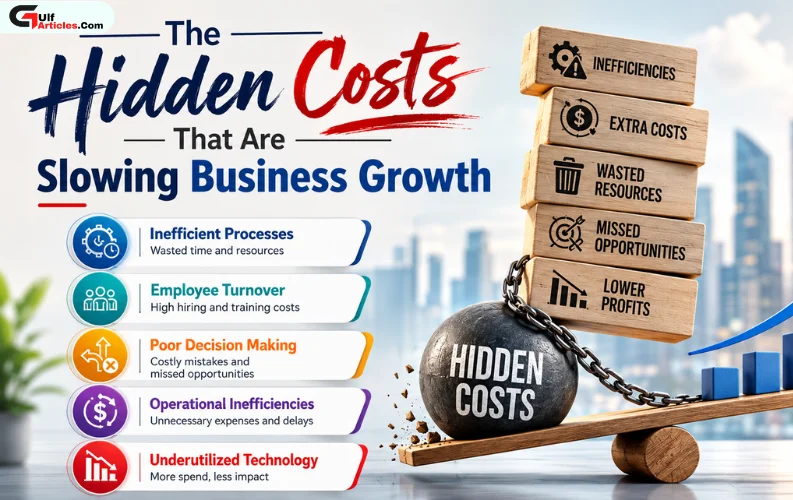
The Hidden Costs That Are Slowing Business Growth

The Hidden Costs That Are Slowing Business Growth

When business leaders discuss growth, the conversation often revolves around increasing revenue, expanding into new markets, attracting customers, launching products, or investing in innovation. These are visible and measurable drivers of growth, making them natural areas of focus for executives and entrepreneurs alike. However, many organizations overlook a less obvious factor that can have an equally significant impact on long-term success: the hidden costs embedded within everyday business operations.

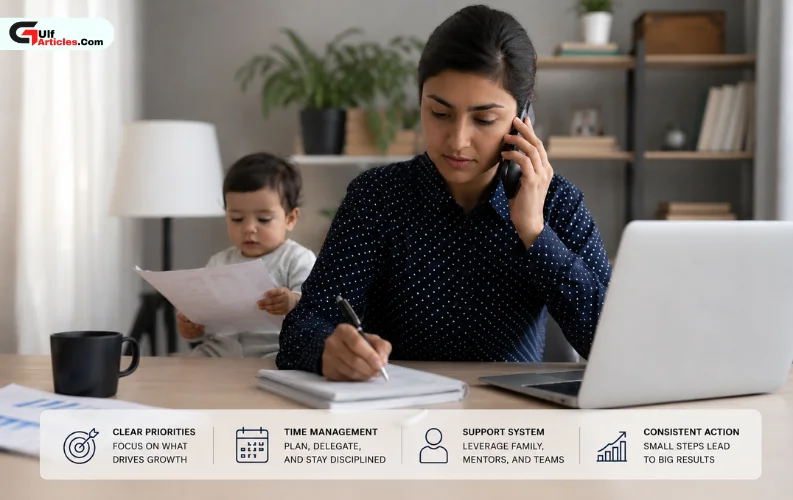
Building a Business While Managing Multiple Roles: A Practical Perspective

Building a Business While Managing Multiple Roles: A Practical Perspective

For many entrepreneurs especially women building a business is rarely a single-focus journey. It often exists alongside multiple responsibilities: managing a household, raising a family, maintaining personal commitments, and navigating professional expectations. Unlike traditional business narratives that emphasize singular focus and uninterrupted scaling, the reality for many founders is far more layered.

The Reality of Leadership: Balancing Vision with Execution

The Reality of Leadership: Balancing Vision with Execution

Leadership is often framed around vision, the ability to anticipate change, define direction, and inspire others toward a future that does not yet exist. While this remains an essential attribute, it represents only one dimension of effective leadership. In practice, organizations do not succeed because of vision alone. They succeed because that vision is translated into consistent, measurable execution. This is where leadership becomes difficult. The gap between what leaders intend to achieve and what organizations actually deliver is often where performance breaks down. In today’s environment, defined by rapid change, operational complexity, and heightened expectations, the ability to balance vision with execution is no longer optional. It is a core leadership requirement.

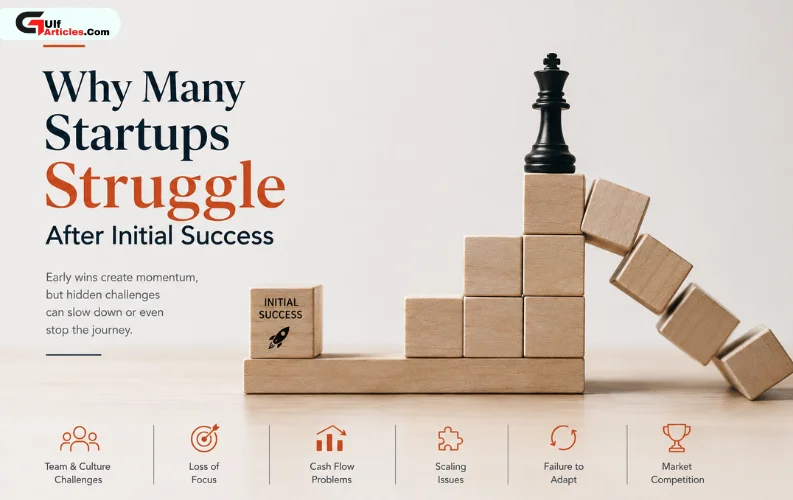
What Kills Profitable Businesses After the First Three Years

What Kills Profitable Businesses After the First Three Years

For many founders, the third year of business is quietly reassuring. The company has survived its most fragile phase. Revenue is consistent. Clients return. Cash is moving, even if imperfectly. From the outside, the business appears stable, perhaps even successful. Internally, however, this period is often when the foundations begin to weaken. Contrary to popular belief, businesses rarely fail because they never achieved profitability. They fail after profitability, when early urgency fades and complexity increases faster than capability. The first three years are about survival. What comes after is about endurance—and the demands of endurance are far less forgiving. The businesses that collapse at this stage are not reckless or poorly conceived. They are often well-intentioned, hard-working, and outwardly functional. What kills them is not a single mistake, but a slow misalignment between how the business operates and what its new scale requires.

When Growth Becomes the Risk: A Reality Check for Businesses

When Growth Becomes the Risk: A Reality Check for Businesses

For most businesses, growth is framed as a solution. More customers, higher revenue, wider reach—these are the signals founders are taught to chase. Growth promises security, validation, and relevance. Yet, across industries and geographies, a striking pattern repeats itself: many businesses encounter their greatest instability not during struggle, but during expansion.