

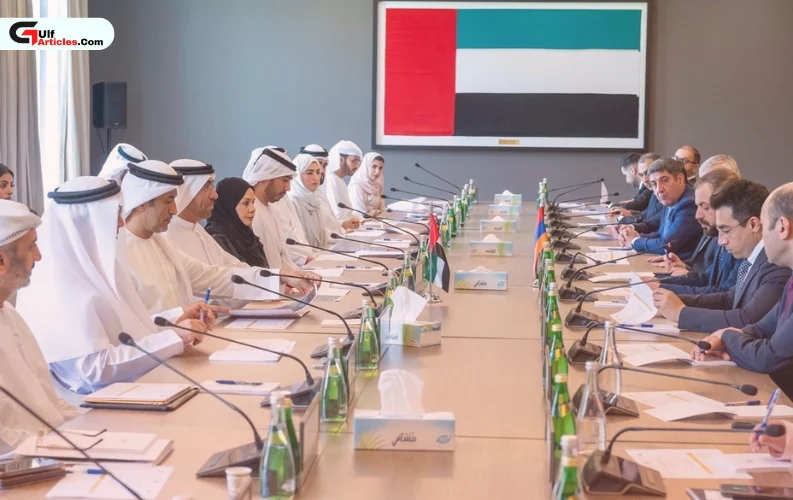
More than 600,000 private-sector establishments across the UAE will come under an enhanced Wage Protection System (WPS) starting July 1, 2026, as the government moves to strengthen wage compliance, improve labor market governance, and reinforce the country's attractiveness as a global employment destination.
The Ministry of Human Resources and Emiratisation (MoHRE) announced that the updated framework will apply to salaries for June that are paid from July onward. The initiative aims to enhance oversight of wage payments while maintaining a balanced and progressive regulatory approach for businesses.
Speaking during a media briefing, Khalil Ibrahim Al Khoury, Undersecretary of MoHRE for Labour Market and Emiratisation Operations, emphasized that the Wage Protection System remains a cornerstone of labor market stability in the UAE. He noted that the system promotes transparency, safeguards workers’ rights, and supports timely salary payments, thereby strengthening confidence in the country's business environment.
According to the ministry, the WPS currently covers approximately 99 percent of private-sector employees and facilitates monthly wage transfers exceeding AED 37 billion through a network of more than 90 banks and exchange houses nationwide.
The enhanced framework introduces a structured monitoring mechanism based on risk assessment and graduated enforcement measures. Cases of delayed wage payments will first be identified through electronic monitoring systems, followed by employer notifications and direct communication. Regulatory measures, including restrictions on selected services, will only be applied if non-compliance continues despite repeated warnings.
Officials stated that the revised approach is designed to provide businesses with sufficient time to resolve payment issues while minimizing labor disputes and supporting uninterrupted business operations.
Particular attention will be directed toward labor-intensive sectors such as construction and maintenance, where salary delays can significantly affect workforce stability and project continuity.
Under the updated regulations, companies will be considered compliant if they transfer at least 85 percent of total wages due. Authorities explained that the threshold allows flexibility for situations such as employee leave, illness, or legally permissible deductions while ensuring adequate worker protection.
The ministry also highlighted its ongoing engagement with employers, reporting more than 60 million interactions with companies during 2025 through text messages, emails, and telephone outreach efforts aimed at promoting compliance and awareness.
Dalal Saeed Al Shehhi, Assistant Undersecretary for Labour Market and Emiratisation, stated that the revised system is intended to strengthen governance and monitoring without imposing significant new obligations on employers. She added that the measures seek to balance the interests of both workers and businesses while supporting the continued stability and competitiveness of the UAE labor market.
The enhanced Wage Protection System reflects the UAE's broader commitment to maintaining a fair, transparent, and efficient labor ecosystem that supports sustainable economic growth and workforce well-being.














Comments 0
No comments yet. Be the first to share your thoughts.
Leave a comment
Your email is never published. All fields are required.