

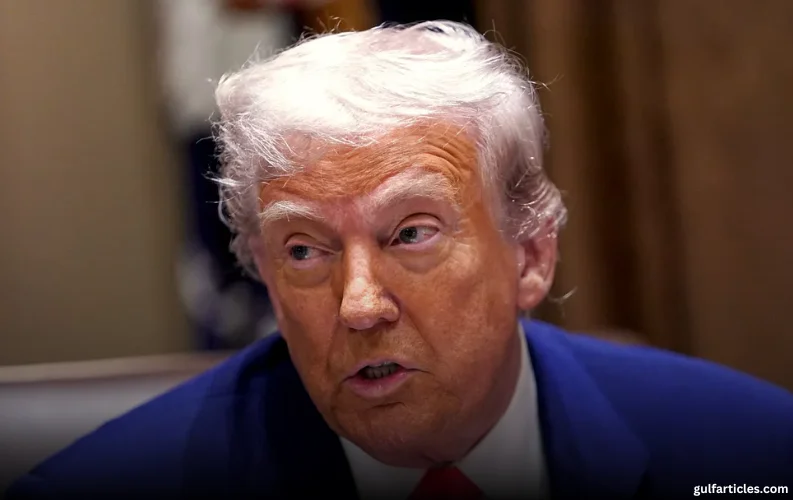
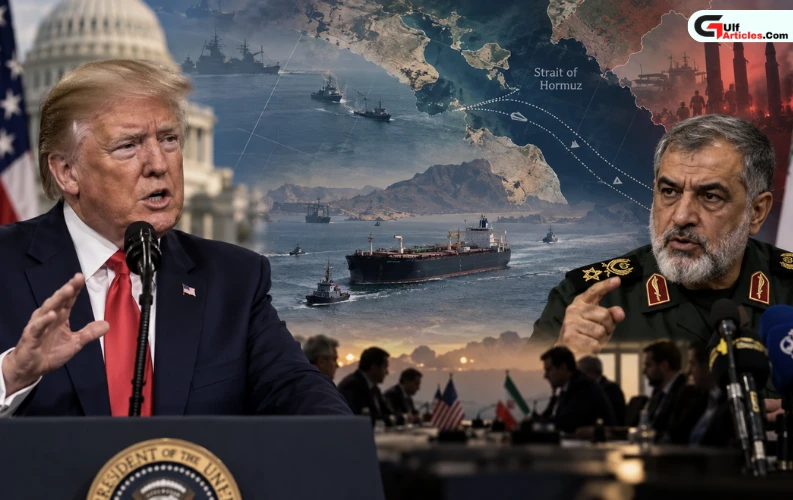
The White House on Thursday confirmed a dramatic escalation in trade tensions with Beijing, as President Donald Trump’s administration raised total tariffs on a broad range of Chinese imports to 145%, even while placing a 90-day freeze on new duties for dozens of other countries.
The increase stems from a new 125% tariff hike, which went into effect this week, stacking atop a 20% levy earlier this year. The earlier duty was imposed over China's alleged links to the global fentanyl supply chain, a concern that has triggered bipartisan condemnation in Washington.
Combined, these moves now make 145% the effective tariff rate on many Chinese goods entering the U.S., representing one of the most severe trade penalties imposed on China in modern history.
Scope and Exemptions
Despite the steep headline figure, the new tariff package includes notable exclusions, the administration clarified. Key sectors such as steel, aluminum, and automobiles—already subject to separate 25% tariffs—remain under distinct trade regimes.
Other strategic goods, including pharmaceuticals, semiconductors, copper, lumber, and energy products, are also exempted from the 125% hike, though officials indicated these categories may be subject to additional actions in the coming weeks.
"This is a targeted measure meant to address long-standing concerns over China's trade practices, industrial policies, and intellectual property theft," a senior White House official told AFP, requesting anonymity to discuss internal policy strategy.
Tensions Rise Despite Global Pause
The tariff spike on China comes just as Trump’s administration paused fresh duties for dozens of other U.S. trading partners, citing the need to “give negotiations a chance.” That 90-day freeze, hailed by the European Union and other allies, appears aimed at isolating Beijing while keeping diplomatic doors open with the rest of the world.
However, the selective nature of the hike underscores the complexity of the Trump administration's trade strategy—a mix of punitive tariffs, strategic exemptions, and ongoing uncertainty.
“On paper, the 145% tariff rate sounds sweeping,” said Nathan Freeman, a trade policy expert at the Center for Strategic Studies. “But the exclusions and segmentation mean industries are facing a patchwork of trade rules. That makes it very difficult for companies to plan or price their goods.”
Market and Business Impact
The latest hike has rattled multinational firms with deep supply chain ties to China. Technology, consumer electronics, and machinery sectors are likely to bear the brunt of the new tariffs, prompting some companies—such as Apple—to accelerate production shifts to India and Vietnam.
Economists warn the 145% rate could drive up consumer prices, intensify inflationary pressures, and disrupt global trade flows, especially as retaliatory action from China looms.
Meanwhile, Beijing has yet to formally respond to the new U.S. tariffs, though Chinese state media outlets have described the move as “escalatory and provocative,” raising fears of another tit-for-tat trade war.
Outlook: More Moves to Come
While Trump’s latest actions revive memories of the 2018–2019 U.S.–China trade war, officials insist the current measures are “calibrated and focused.” Still, the administration has not ruled out further tariffs targeting strategic technologies or state-subsidized sectors where the U.S. sees competitive disadvantages.
“All options remain on the table,” a White House trade advisor told reporters. “We’re committed to reshaping the trade relationship with China in America’s favor.”
As markets brace for volatility, trade partners around the world will be watching closely—not only for China's response, but for how long this fragile tariff pause holds for the rest of the globe.








Comments 0
No comments yet. Be the first to share your thoughts.
Leave a comment
Your email is never published. All fields are required.