

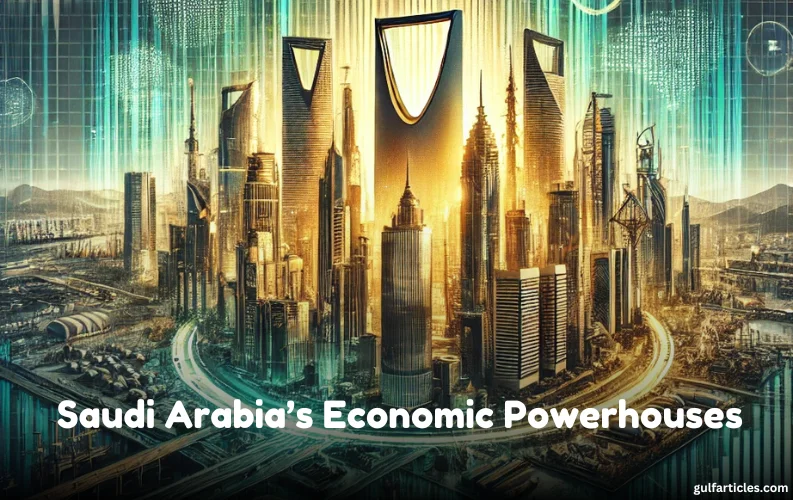
Saudi Arabia, known for its abundant natural resources and dynamic economic vision, is home to some of the most influential companies in the Middle East.
These businesses not only drive the national economy but also contribute significantly to global markets. Under the ambitious Vision 2030 framework, Saudi Arabia is transitioning from an oil-dependent economy to a diversified and innovative one. This article delves into the top companies in Saudi Arabia, their contributions, and their role in the country’s transformation.
1. Saudi Aramco: The Energy Giant
Sector: Oil and Gas
Founded: 1933
At the heart of Saudi Arabia’s economy lies Saudi Aramco, the world’s largest oil producer and one of the most valuable companies globally. Aramco has been the backbone of the Kingdom’s economy for decades, playing a central role in meeting global energy demands.
Key Contributions:
- Global Oil Supply: Produces over 10 million barrels of crude oil per day, contributing significantly to global energy security.
- Sustainability Initiatives: Investing heavily in green hydrogen projects, carbon capture technologies, and renewable energy sources.
- Economic Impact: A major employer and contributor to Saudi Arabia’s GDP, Aramco’s revenues fund national development projects and public services.
Aramco is not just an oil company; it is a driver of innovation in the energy sector. Its research into alternative energy sources and efficiency improvements cements its status as a forward-looking organization.
2. SABIC: Transforming the Chemical Industry
Sector: Chemicals and Petrochemicals
Founded: 1976
Saudi Basic Industries Corporation (SABIC), a subsidiary of Aramco, has earned its reputation as one of the world’s largest and most innovative chemical companies. SABIC produces a wide range of products, including plastics, fertilizers, and metals, which serve industries from construction to healthcare.
Achievements:
- Operates in over 50 countries, serving thousands of global clients.
- Recognized for its sustainability efforts, such as recycling initiatives and reducing greenhouse gas emissions.
- Develops cutting-edge materials for automotive, aerospace, and medical applications.
SABIC’s role in diversifying Saudi Arabia’s economy cannot be overstated. Its focus on sustainable manufacturing and global outreach aligns with Vision 2030’s goals.
3. Al Rajhi Bank: The Leader in Islamic Banking
Sector: Banking and Finance
Founded: 1957
Al Rajhi Bank, the largest Islamic bank in the world, is a cornerstone of Saudi Arabia’s financial sector. Its Sharia-compliant banking services cater to individuals, businesses, and institutions.
Key Highlights:
- Introduced innovative digital banking solutions, enhancing customer convenience.
- Supports small and medium enterprises (SMEs) through targeted financing programs.
- Actively contributes to national development by funding infrastructure projects.
With its customer-centric approach and focus on financial inclusion, Al Rajhi Bank is a significant player in Saudi Arabia’s economic landscape.
4. STC: Pioneering the Digital Future
Sector: Telecommunications
Founded: 1998
Saudi Telecom Company (STC) is a leader in the telecommunications and IT sectors, driving digital transformation across Saudi Arabia. Its advanced services, including 5G connectivity, Internet of Things (IoT), and cloud computing, support businesses and individuals alike.
Achievements:
- Launched one of the region’s first 5G networks, revolutionizing connectivity.
- Provides IT solutions for government agencies and businesses.
- Invests in AI and cybersecurity to enhance its service offerings.
STC’s role extends beyond telecommunications; it is a key enabler of Saudi Arabia’s vision for a knowledge-based economy.
5. Almarai: Feeding the Middle East
Sector: Food and Beverage
Founded: 1977
Almarai is the largest food and beverage company in the Middle East, offering a wide range of dairy, bakery, and juice products. Its commitment to quality and innovation has made it a household name across the region.
Milestones:
- Operates one of the world’s most advanced dairy farms.
- Exports products to GCC countries and beyond.
- Focuses on sustainability through energy-efficient production and water conservation.
As a leader in its sector, Almarai not only provides essential goods but also contributes to food security in the region.
6. Ma’aden: Mining Saudi Arabia’s Wealth
Sector: Mining and Metals
Founded: 1997
The Saudi Arabian Mining Company (Ma’aden) is central to the Kingdom’s efforts to diversify its economy. Specializing in extracting and processing minerals such as gold, phosphate, and aluminum, Ma’aden supports industrial growth.
Key Achievements:
- Operates modern mining facilities across Saudi Arabia.
- Exports raw materials and finished products to international markets.
- Aligns its operations with environmental and community standards.
Ma’aden’s success demonstrates Saudi Arabia’s potential to leverage its natural resources responsibly and sustainably.
7. Riyad Bank: Empowering Economic Growth
Sector: Banking and Finance
Founded: 1957
Riyad Bank is one of Saudi Arabia’s oldest and most respected financial institutions. Known for its stability and innovation, the bank provides services ranging from retail banking to corporate financing.
Highlights:
- Funds large-scale projects such as NEOM and the Red Sea Project.
- Offers specialized financial products for women entrepreneurs and SMEs.
- Invests in digital banking platforms to improve accessibility.
Riyad Bank’s contributions to Saudi Arabia’s economic development make it a trusted partner for businesses and individuals.
8. Jarir Bookstore: Promoting Literacy and Commerce
Sector: Retail
Founded: 1974
Jarir Bookstore is a leading retailer in Saudi Arabia, offering a wide range of books, electronics, and office supplies. Its commitment to education and technology makes it a favorite destination for students and professionals.
Key Contributions:
- Operates an extensive network of stores across the GCC.
- Provides an e-commerce platform for online shopping.
- Supports cultural and educational initiatives, including book fairs and scholarships.
Jarir’s focus on education and accessibility aligns with the Kingdom’s modernization goals.
9. SNB (Saudi National Bank): The Financial Powerhouse
Sector: Banking and Finance
Founded: 1953
Saudi National Bank (SNB), formed through the merger of NCB and Samba Financial Group, is the largest financial institution in Saudi Arabia. It plays a crucial role in funding mega-projects and public-private partnerships.
Key Highlights:
- Provides comprehensive banking solutions to individuals and businesses.
- Focuses on sustainable investments and ethical banking.
- Drives innovation in digital financial services.
SNB is a key player in Saudi Arabia’s Vision 2030, supporting the Kingdom’s diversification efforts.
10. Flynas: Connecting Saudi Arabia to the World
Sector: Aviation
Founded: 2007
Flynas is Saudi Arabia’s leading low-cost airline, providing affordable travel options and boosting the country’s tourism industry.
Milestones:
- Operates over 120 routes across the Middle East, Europe, and Asia.
- Focuses on customer experience with modern aircraft and seamless services.
- Supports Saudi Arabia’s tourism strategy under Vision 2030.
Flynas is instrumental in attracting international tourists and promoting the Kingdom’s cultural and natural attractions.
Conclusion
Saudi Arabia’s leading companies are not just economic entities but also symbols of progress and innovation. From energy giants like Aramco to digital pioneers like STC, these organizations embody the Kingdom’s ambition to become a global leader in diverse industries.
With Vision 2030 as a guiding framework, these companies are paving the way for a future defined by sustainability, diversification, and technological advancement. Their success stories are a testament to Saudi Arabia’s resilience and forward-thinking approach in a competitive global economy.
You may also like:-












Comments 0
No comments yet. Be the first to share your thoughts.
Leave a comment
Your email is never published. All fields are required.