

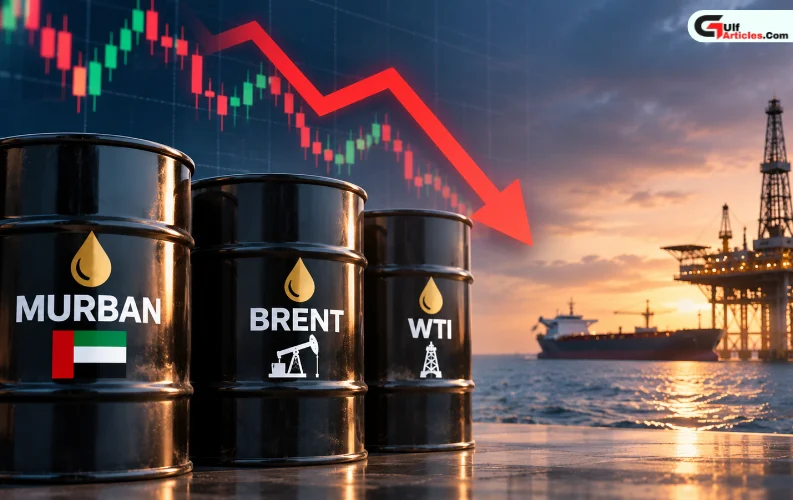
Oil prices moved lower in Asian trading on Wednesday, November 18, 2026, as rising US crude and fuel inventories added to concerns about an expanding global supply surplus. However, continuing tensions in the Middle East and risks to shipping routes limited the decline.
At 01:49 GMT, US West Texas Intermediate (WTI) crude futures fell 0.65% to $85.45 per barrel, while Brent crude futures declined 0.17% to $92.98. Murban, the UAE's flagship crude grade and an important benchmark for Asian buyers, also remained in focus as traders assessed regional supply conditions.
Rising US Inventories Put Pressure on Prices
Data from the American Petroleum Institute (API) showed that US crude inventories increased by 5.28 million barrels in the week ending November 13. Gasoline stocks also rose by 5.12 million barrels, while distillate inventories gained 351,000 barrels.
The increase in stockpiles strengthened concerns that available oil supplies could exceed demand, putting downward pressure on international crude benchmarks. Traders were also awaiting official US inventory figures for further indications of market conditions.
Middle East Tensions Limit the Decline
Geopolitical risks continued to support oil prices. Recent exchanges between the United States and Iran, along with attacks affecting shipping and energy infrastructure, have kept concerns about supply disruptions elevated.
The Strait of Hormuz remains a key concern because a significant share of global oil shipments passes through the route. Disruptions could affect crude deliveries to major Asian importers and increase transportation costs.
Global Supply Outlook Remains in Focus
Expectations of recovering Middle Eastern exports and a potential global supply surplus have weighed on oil markets in recent sessions. The International Energy Agency has also warned that supply could exceed demand in the fourth quarter of 2026.
For now, traders are balancing higher inventory levels and improving supply expectations against ongoing geopolitical risks. US stock data, Middle East developments and the pace of export recovery are likely to remain important factors influencing Murban, Brent and WTI prices.
You may also like that news:-















Comments 0
No comments yet. Be the first to share your thoughts.
Leave a comment
Your email is never published. All fields are required.