

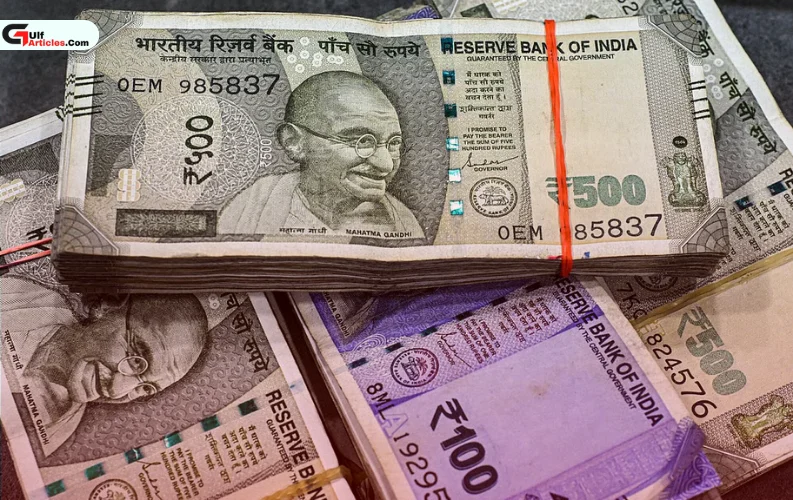
Dubai: Indian expats in the UAE should be aware of upcoming changes to ATM cash-dispensing rules in India, set to take effect in phases from March, following new directions issued by the Reserve Bank of India.
The central bank has instructed banks and White Label ATM Operators to increase the availability of smaller currency denominations in ATMs, particularly ₹100 and ₹200 notes. Officials clarified that the move does not involve the withdrawal, discontinuation, or restriction of ₹500 banknotes, which remain legal tender.
The RBI has been reminding banks and ATM operators in recent months to adjust their cash mix to improve public access to smaller notes commonly used for everyday transactions.
What changes from March
Under the revised guidelines, ATMs must regularly dispense either ₹100 or ₹200 notes from at least one cassette. The rollout will be phased:
-
By September 30, 2025: At least 75% of ATMs must dispense ₹100 or ₹200 notes from one cassette
-
By March 31, 2026: The requirement increases to 90% of ATMs
The RBI said the objective is to ensure better access to small denominations used for retail payments, transport, and local purchases.
No change to ₹500 notes
The central bank has stressed that there is no policy change affecting ₹500 notes. The directive follows a wave of social media posts claiming that the denomination would be withdrawn or phased out by March 2026.
India’s government information arm, the Press Information Bureau, dismissed these claims as false.
In a fact-check statement issued this week, the PIB said ₹500 notes have not been discontinued and continue to be legal tender. Officials confirmed that no notification has been issued by either the RBI or the government regarding withdrawal of the denomination.
What the RBI directive actually means
According to the RBI, the new rules are meant to improve the mix of cash available through ATMs, not to eliminate higher-value notes.
Banks may allocate one cassette more consistently to ₹100 or ₹200 notes while continuing to dispense ₹500 notes as before. There are no instructions to stop issuing ₹500 notes through ATMs or bank branches.
For customers, this could result in receiving a higher proportion of smaller notes during withdrawals, particularly in areas where access to change has been a frequent issue.
Impact on NRIs and UAE-based Indians
For non-resident Indians living in the UAE who hold Indian bank accounts or withdraw cash during visits to India, the changes do not affect the value, validity, or usability of ₹500 notes.
The denomination can continue to be used for payments, deposits, and withdrawals without any restriction. There is no requirement to exchange or deposit existing ₹500 notes, and banks have not announced any deadlines or limits related to holding them.
Government warning on misinformation
Indian authorities have urged the public to rely on official RBI circulars and government statements rather than social media posts or online videos.
Officials said currency-related rumours often spread quickly due to memories of the 2016 demonetisation exercise, even when no such policy action is planned. The RBI has given no indication of any move to demonetise or phase out existing banknotes.
What to watch next
The main change for consumers will be a gradual shift in ATM dispensing patterns as banks comply with the RBI’s targets over the coming months. Beyond this adjustment, no broader changes to India’s currency policy have been announced.














Comments 0
No comments yet. Be the first to share your thoughts.
Leave a comment
Your email is never published. All fields are required.