

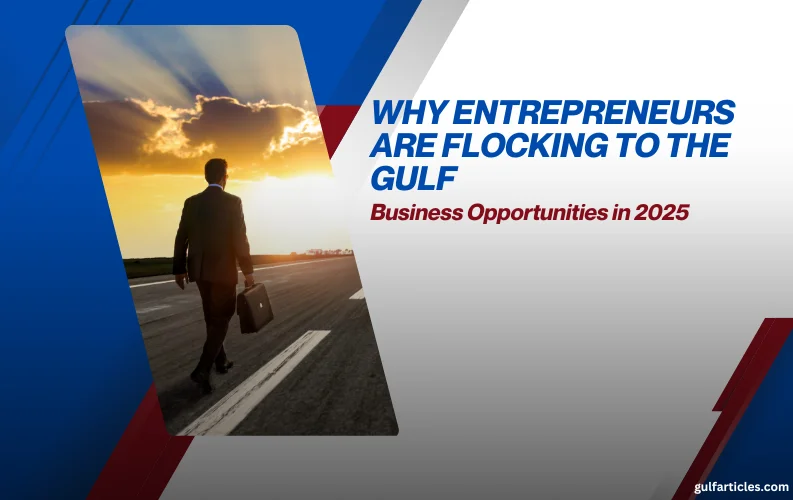
The Gulf region has emerged as a magnet for entrepreneurs, startups, and global businesses. With its business-friendly policies, strategic location, tax incentives, and advanced infrastructure, the Gulf has positioned itself as one of the most lucrative markets for business growth in 2025. Countries such as United Arab Emirates (UAE), Saudi Arabia, Qatar, Bahrain, Oman, and Kuwait are offering numerous incentives, making them ideal destinations for new ventures and investments.
As these nations push forward with economic diversification plans, the Gulf region is rapidly transforming into a global business hub. This article explores why entrepreneurs are flocking to the Gulf, key business opportunities in 2025, and what makes this region a thriving ecosystem for startups and businesses.
Why the Gulf is a Business Magnet in 2025
Entrepreneurs and investors are drawn to the Gulf for several reasons:
-
Zero or Low Taxes – Many Gulf countries offer tax-free or low-tax business environments, making them attractive for startups and corporations.
-
100% Foreign Ownership – Business-friendly policies allow full foreign ownership in key industries.
-
Government Incentives & Funding – Governments provide grants, incubators, and funding support for startups and SMEs.
-
Strategic Location – The Gulf serves as a global trade and logistics hub, connecting Asia, Europe, and Africa.
-
Robust Infrastructure & Connectivity – Advanced cities with world-class airports, ports, and smart cities support seamless business operations.
-
Rapid Digital Transformation – The region is embracing technology, AI, blockchain, and fintech at an unprecedented pace.
With these factors in place, entrepreneurs are seizing the opportunities that the Gulf offers for business expansion.
Top Business Opportunities in the Gulf for 2025
1. Fintech and Digital Payments
The Gulf’s fintech sector is booming with the rise of digital banking, e-commerce, and blockchain innovations. Governments are actively promoting cashless transactions and smart payment solutions. Key fintech opportunities include:
-
Cryptocurrency and Blockchain-Based Finance
-
Buy Now, Pay Later (BNPL) Services
-
AI-Powered Digital Banking Solutions
-
Cross-Border Payment Platforms
-
RegTech and Cybersecurity Innovations
With UAE, Saudi Arabia, and Bahrain leading fintech advancements, entrepreneurs can tap into a growing market with government-backed support.
2. E-commerce and Online Retail
E-commerce in the Gulf is thriving due to increasing internet penetration and changing consumer habits. Entrepreneurs can explore:
-
Niche Online Retail Stores (luxury, health, organic, eco-friendly products)
-
Direct-to-Consumer (DTC) Brands
-
AI-Powered Personalized Shopping Experiences
-
Logistics & Fulfillment Centers for E-commerce
-
Subscription-Based E-commerce Models
With global companies like Amazon, Noon, and Namshi setting up strong operations in the Gulf, the region offers exciting opportunities for e-commerce startups.
3. Renewable Energy and Sustainability Ventures
With a strong commitment to reducing carbon footprints, Gulf nations are investing heavily in clean energy and sustainability. Entrepreneurs and startups can explore:
-
Solar and Wind Energy Projects
-
Green Hydrogen Production
-
Smart Energy Solutions & IoT-Based Energy Management
-
Sustainable Urban Development & Green Construction
-
Recycling & Waste Management Innovations
Saudi Arabia’s NEOM, the UAE’s Masdar City, and Qatar’s Green Initiatives offer extensive opportunities for sustainability-driven businesses.
4. Health Tech and Telemedicine
The Gulf is prioritizing healthcare innovations, leading to massive investments in digital health, biotech, and AI-driven healthcare solutions. Key opportunities include:
-
Telemedicine & Virtual Healthcare Services
-
AI-Powered Health Diagnostics & Predictive Analytics
-
Wearable Health Tech & Smart Medical Devices
-
Biotech Research & Pharmaceutical Startups
-
Health Data Analytics & Medical AI Platforms
With Dubai and Riyadh positioning themselves as global healthcare hubs, health-tech entrepreneurs have immense potential to grow in this market.
5. Smart Cities and AI-Based Solutions
The Gulf’s investments in smart cities, AI, and digital transformation are creating a massive demand for tech-driven businesses. Some exciting business ideas include:
-
AI-Powered Smart Traffic & Public Transport Solutions
-
5G & IoT-Based Urban Planning
-
Cybersecurity & AI-Powered Data Protection Services
-
Virtual Reality (VR) & Augmented Reality (AR) in Retail & Real Estate
-
Robotics & Automation in Smart Manufacturing
With projects like NEOM (Saudi Arabia), The Line, and Lusail City (Qatar), entrepreneurs can leverage cutting-edge technologies to provide next-gen solutions.
6. Tourism, Entertainment, and Hospitality
With Gulf nations aggressively expanding their tourism sector, there is a high demand for luxury tourism, adventure travel, and entertainment businesses. Key areas of growth include:
-
Luxury Resorts, Boutique Hotels & Wellness Retreats
-
Adventure Tourism (Desert Safaris, Marine Tourism, Skydiving)
-
Cultural Tourism & Heritage Experiences
-
Esports & Gaming Industry Growth
-
Immersive Theme Parks & Entertainment Centers
With Saudi Arabia’s Vision 2030, Dubai’s tourism expansion, and Qatar’s post-World Cup tourism investments, the Gulf is a prime location for hospitality-based businesses.
7. Education Technology (EdTech) and Skill Development
The demand for online education, vocational training, and skill development programs is rising across the Gulf. Entrepreneurs can tap into:
-
AI-Powered Personalized Learning Platforms
-
Virtual Classrooms & Online University Models
-
Corporate Training & Leadership Development Programs
-
STEM & Coding Bootcamps for Youth & Professionals
-
Language Learning Apps & Platforms
With governments pushing digital education and innovation hubs, EdTech businesses can thrive in the region.
The Future of Business in the Gulf
The Gulf’s rapid economic transformation presents unparalleled opportunities for entrepreneurs and businesses. With robust government support, world-class infrastructure, and an open economy, the region is well-positioned for sustained growth in 2025 and beyond.
Key trends shaping the Gulf’s business landscape include:
-
Expansion of AI & Machine Learning Across Industries
-
Increased Focus on Women Entrepreneurs & Business Leadership
-
Greater Foreign Investment in Gulf-Based Startups
-
Adoption of Web3, NFTs, and the Metaverse in Business
-
Strengthening of Cybersecurity & Data Protection Measures
By leveraging these trends, entrepreneurs can build scalable, high-impact businesses that thrive in the evolving Gulf economy.
Conclusion
With its business-friendly ecosystem, strategic investments, and commitment to innovation, the Gulf has become a top destination for entrepreneurs and startups. From fintech and AI to sustainability and tourism, the Gulf presents unlimited business opportunities in 2025.
For those looking to start or expand their ventures, now is the perfect time to tap into the Gulf’s economic transformation and be part of its next wave of business success.
You may also like:-












Comments 0
No comments yet. Be the first to share your thoughts.
Leave a comment
Your email is never published. All fields are required.