

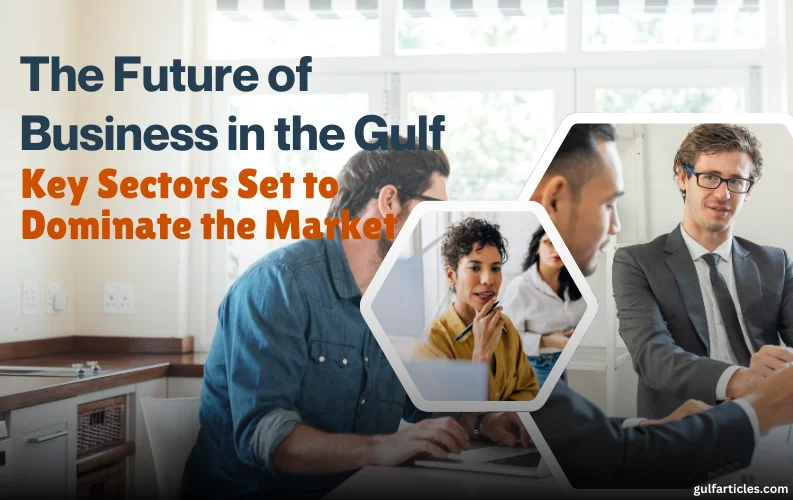
The Gulf region is experiencing a dynamic shift in its economic landscape, with rapid diversification, government-driven initiatives, and technological advancements setting the stage for the future. While oil and gas have historically been the backbone of Gulf economies, the focus is now shifting toward innovation, sustainability, and digital transformation. Countries such as United Arab Emirates (UAE), Saudi Arabia, Qatar, Bahrain, Oman, and Kuwait are leading the charge in developing new industries that will shape the future of business in the region.
This article explores the key sectors poised to dominate the Gulf’s business market in the coming years and the factors driving their growth.
1. Technology and Artificial Intelligence (AI)
As Gulf nations embrace digital transformation, the technology and AI sector is becoming a cornerstone of economic growth. Governments are investing billions into AI-driven initiatives, digital infrastructure, and smart city developments to enhance business efficiency and competitiveness.
Key trends in this sector include:
-
AI-Powered Business Solutions – Automating industries like finance, healthcare, and logistics.
-
Smart Cities & IoT Integration – Mega projects like NEOM (Saudi Arabia) and Masdar City (UAE) are utilizing AI-driven solutions.
-
Cybersecurity & Data Protection – With digitalization comes the demand for robust cybersecurity frameworks.
-
Cloud Computing & Big Data – Businesses are leveraging cloud solutions to optimize operations and decision-making.
With the UAE leading the way through its Artificial Intelligence Strategy 2031, the Gulf is poised to be a global player in AI and tech innovation.
2. Renewable Energy and Sustainability
With increasing global emphasis on sustainability and carbon neutrality, Gulf countries are investing heavily in renewable energy projects. This shift is driven by the need to reduce dependency on fossil fuels and align with international climate goals.
Key developments include:
-
Solar and Wind Energy Projects – The Mohammed bin Rashid Al Maktoum Solar Park (UAE) and Saudi Arabia’s Green Riyadh Initiative are setting new standards.
-
Green Hydrogen Production – The Gulf is emerging as a leader in hydrogen-based energy solutions.
-
Sustainable Urban Development – Initiatives like The Line (Saudi Arabia) focus on smart, eco-friendly city planning.
-
Carbon Capture and Waste Management Solutions – Businesses are increasingly integrating green technologies into operations.
With governments launching ambitious policies like the Saudi Green Initiative and UAE Net Zero 2050, the renewable energy sector will continue to expand.
3. Financial Services and Fintech Innovation
The Gulf’s financial sector is evolving rapidly, with fintech innovations transforming traditional banking and investment practices. The rise of digital payments, blockchain applications, and AI-powered financial services is reshaping the regional economy.
Growth areas include:
-
Cryptocurrency & Blockchain – Bahrain and the UAE are leading in blockchain adoption.
-
Buy Now, Pay Later (BNPL) Services – Increasingly popular among digital consumers.
-
AI-Powered Wealth Management – Financial institutions are leveraging AI for risk assessment and personalized banking.
-
Islamic Fintech Solutions – The demand for Shariah-compliant banking is driving new fintech innovations.
With financial hubs like Dubai International Financial Centre (DIFC) and Abu Dhabi Global Market (ADGM) fostering fintech startups, this sector is set to dominate the Gulf’s future business ecosystem.
4. E-commerce and Digital Retail
The Gulf’s e-commerce market is booming, fueled by a tech-savvy population, high internet penetration, and increasing consumer trust in digital transactions. Governments are supporting e-commerce with improved logistics, fintech solutions, and regulatory frameworks.
Key trends shaping the sector:
-
Direct-to-Consumer (DTC) Brands – More businesses are bypassing traditional retail models.
-
AI-Driven Personalization – E-commerce platforms are using AI to enhance customer experience.
-
On-Demand and Subscription-Based Models – The shift toward convenience-driven shopping experiences.
-
Cross-Border E-commerce Growth – The Gulf is a strategic gateway for global e-commerce expansion.
With players like Amazon, Noon, and Talabat leading the digital marketplace, the region’s e-commerce sector will continue to flourish in the coming years.
5. Healthcare, Biotechnology, and Telemedicine
The Gulf’s healthcare sector is undergoing a major transformation, with advancements in biotechnology, AI-driven medical solutions, and telemedicine taking center stage. The COVID-19 pandemic accelerated digital health solutions, making healthcare innovation a long-term priority.
Key growth drivers include:
-
Telemedicine & Remote Health Monitoring – Increasing adoption of virtual healthcare services.
-
Biotech & Pharmaceutical Research – Governments are investing in biotech R&D and vaccine production.
-
AI-Powered Diagnostics – Improving healthcare efficiency and predictive analytics.
-
Healthcare Startups & Investment – More startups are entering the medical technology space.
With mega projects like Saudi Arabia’s Vision 2030 Health Sector Transformation, healthcare will remain a leading industry in the Gulf.
6. Tourism, Hospitality, and Entertainment
With world-class infrastructure and aggressive tourism campaigns, Gulf nations are transforming into global travel and entertainment destinations. Governments are investing heavily in hospitality, theme parks, and luxury tourism experiences.
Key developments include:
-
Mega-Events and Global Conferences – Dubai Expo 2020 Legacy, FIFA World Cup Qatar 2022, and upcoming global exhibitions.
-
Luxury Resorts & Wellness Tourism – Expansion of high-end tourism experiences.
-
Cultural Tourism & Heritage Projects – Promoting historical and heritage sites like AlUla (Saudi Arabia).
-
Entertainment & Esports Growth – Investments in digital gaming and virtual entertainment hubs.
With initiatives like Saudi Arabia’s Red Sea Project and Qatar’s National Tourism Strategy 2030, the Gulf’s tourism and hospitality sector is set for unprecedented growth.
7. Logistics, Trade, and Smart Supply Chain Management
The Gulf region is strategically positioned as a global trade and logistics hub, with investments in ports, free trade zones, and smart supply chain solutions.
Key areas of expansion:
-
AI-Enabled Logistics & Warehousing – Optimizing supply chain operations.
-
Expansion of Maritime & Air Trade Routes – Enhancing global connectivity.
-
Blockchain for Trade Documentation – Increasing efficiency in customs and freight forwarding.
-
GCC Railway Project – Improving regional logistics connectivity.
Dubai’s Jebel Ali Port, Qatar’s Hamad Port, and Saudi Arabia’s logistics transformation plans are positioning the region as a leader in trade and supply chain management.
Conclusion
The future of business in the Gulf is being shaped by innovation, digitalization, and sustainability. With ambitious government policies, a strong investment climate, and a forward-looking economic vision, the region is poised to lead in multiple sectors.
From technology and AI to renewable energy, fintech, healthcare, and logistics, businesses in the Gulf are embracing change and adapting to global market trends.
For investors, entrepreneurs, and business leaders, now is the time to tap into the Gulf’s rapidly evolving business landscape and capitalize on the immense growth opportunities it offers.
You may also like:-








Comments 0
No comments yet. Be the first to share your thoughts.
Leave a comment
Your email is never published. All fields are required.