

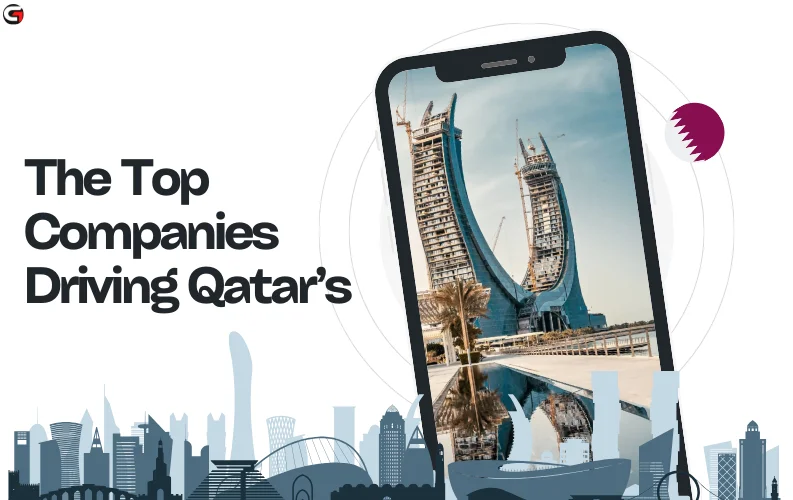
Qatar, a global hub of innovation and economic prosperity, is known for its strategic investments and diverse industries. From energy giants to financial institutions, Qatar's leading companies have cemented the nation's status as a global economic powerhouse. These organizations not only fuel the country’s economic engine but also play a crucial role in realizing Qatar National Vision 2030. In this article, we explore the top companies in Qatar, their achievements, and their contributions to the nation’s success.
1. Qatar Petroleum (QP): The Energy Powerhouse
Industry: Oil and Gas
Founded: 1974
Qatar Petroleum (recently rebranded as QatarEnergy) is at the heart of Qatar’s economy, managing the nation’s vast oil and natural gas reserves. It is a global leader in liquefied natural gas (LNG) production, helping Qatar maintain its position as the world’s largest LNG exporter.
Key Contributions:
- Manages exploration, production, and export of natural gas and petroleum products.
- Operates the North Field, the largest natural gas field in the world.
- Invests in sustainable energy projects and carbon-neutral technologies.
Global Impact:
QatarEnergy’s partnerships with international oil companies reinforce Qatar’s position as a global energy hub.
2. Qatar Airways: The Pride of the Skies
Industry: Aviation
Founded: 1993
Qatar Airways, the national carrier of Qatar, is one of the world’s leading airlines, known for its exceptional service and innovation. The airline has received numerous awards for its excellence in passenger experience.
Achievements:
- Operates a modern fleet serving over 150 destinations worldwide.
- Consistently ranks as one of the world’s best airlines, winning "World's Best Airline" multiple times.
- Introduced sustainability initiatives, including the use of fuel-efficient aircraft.
Economic Contribution:
Qatar Airways supports the nation’s tourism and business sectors, contributing significantly to Qatar’s global connectivity and reputation.
3. Qatar National Bank (QNB): A Financial Leader
Industry: Banking and Finance
Founded: 1964
Qatar National Bank (QNB) is the largest financial institution in the Middle East and Africa. With a presence in over 30 countries, QNB is a cornerstone of Qatar’s financial sector.
Notable Highlights:
- Offers a comprehensive range of retail, corporate, and investment banking services.
- Supports major infrastructure projects in Qatar and abroad.
- Committed to sustainability, with initiatives to reduce its carbon footprint.
Regional Influence:
QNB plays a pivotal role in financing Qatar’s development and expanding its economic influence globally.
4. Ooredoo: Revolutionizing Telecommunications
Industry: Telecommunications
Founded: 1987
Ooredoo, formerly known as Qtel, is a leader in telecommunications and digital services in Qatar and the region. It serves millions of customers with cutting-edge mobile, internet, and enterprise solutions.
Key Achievements:
- Introduced 5G technology to Qatar, enhancing connectivity and innovation.
- Operates in 10 countries, providing reliable telecom services.
- Focuses on digital transformation and IoT solutions.
Strategic Role:
Ooredoo is instrumental in Qatar’s transition to a knowledge-based economy, supporting digital infrastructure development.
5. Industries Qatar (IQ): Diversifying the Economy
Industry: Industrial Manufacturing
Founded: 2003
Industries Qatar is a major industrial conglomerate specializing in petrochemicals, fertilizers, and steel production. The company plays a key role in Qatar’s economic diversification efforts.
Key Contributions:
- Operates large-scale facilities for producing high-quality industrial products.
- Supplies essential materials to global markets.
- Implements sustainable practices, including energy-efficient manufacturing.
Economic Impact:
By driving industrial growth, Industries Qatar contributes to job creation and export revenue.
6. Qatar Islamic Bank (QIB): A Leader in Sharia-Compliant Banking
Industry: Banking and Finance
Founded: 1982
Qatar Islamic Bank (QIB) is the largest Islamic bank in Qatar, providing a wide range of Sharia-compliant financial products and services.
Key Highlights:
- Offers innovative digital banking platforms for individuals and businesses.
- Supports small and medium enterprises (SMEs) with tailored financing solutions.
- Aligns its operations with global sustainability standards.
Community Focus:
QIB actively supports local community initiatives and contributes to Qatar’s social and economic development.
7. Nakilat: Navigating LNG Transport
Industry: Shipping and Maritime
Founded: 2004
Nakilat is the world’s largest liquefied natural gas (LNG) shipping company, playing a crucial role in transporting Qatar’s energy resources to global markets.
Key Facts:
- Operates a fleet of over 70 LNG carriers.
- Provides ship repair, maintenance, and maritime services at its state-of-the-art facilities.
- Invests in environmentally friendly shipping technologies.
Global Role:
Nakilat ensures Qatar’s dominance in the LNG market by delivering its energy products efficiently and sustainably.
8. Baladna: Supporting Food Security
Industry: Agriculture and Food Production
Founded: 2014
Baladna is Qatar’s leading dairy and beverage company, contributing significantly to the nation’s food security initiatives.
Achievements:
- Operates a large-scale farm producing milk, cheese, and other dairy products.
- Ensures self-sufficiency in dairy production, reducing reliance on imports.
- Implements eco-friendly practices, including water recycling and renewable energy use.
Strategic Importance:
Baladna aligns with Qatar’s efforts to build a sustainable and resilient agricultural sector.
9. Barwa Group: Building a Better Future
Industry: Real Estate and Construction
Founded: 2005
Barwa Group is a leading real estate development company, delivering high-quality projects that enhance Qatar’s urban infrastructure.
Notable Projects:
- Develops residential, commercial, and mixed-use properties.
- Played a key role in preparing Qatar’s infrastructure for the FIFA World Cup 2022.
- Focuses on sustainability and eco-friendly construction practices.
Economic Role:
Barwa contributes to Qatar’s urbanization and infrastructure development, supporting national growth.
10. Woqod: Fueling the Nation
Industry: Energy and Retail
Founded: 2002
Qatar Fuel (Woqod) is the leading distributor of petroleum products in Qatar, ensuring the nation’s energy needs are met efficiently.
Key Contributions:
- Operates an extensive network of fuel stations across Qatar.
- Provides LPG, lubricants, and other essential energy products.
- Invests in clean energy initiatives, including electric vehicle charging stations.
Community Focus:
Woqod supports local businesses and communities, contributing to Qatar’s sustainable development goals.
Conclusion: Building a Resilient Economy
Qatar’s leading companies are at the forefront of innovation, sustainability, and economic development. From energy giants like QatarEnergy to financial leaders like QNB and QIB, these organizations reflect the nation’s ambition to create a diversified, knowledge-based economy.
As Qatar continues to implement its National Vision 2030, these companies will play an even greater role in driving growth and enhancing the nation’s global standing. Their contributions not only shape Qatar’s economy but also inspire regional and international success stories.
You may also like:-














Comments 0
No comments yet. Be the first to share your thoughts.
Leave a comment
Your email is never published. All fields are required.