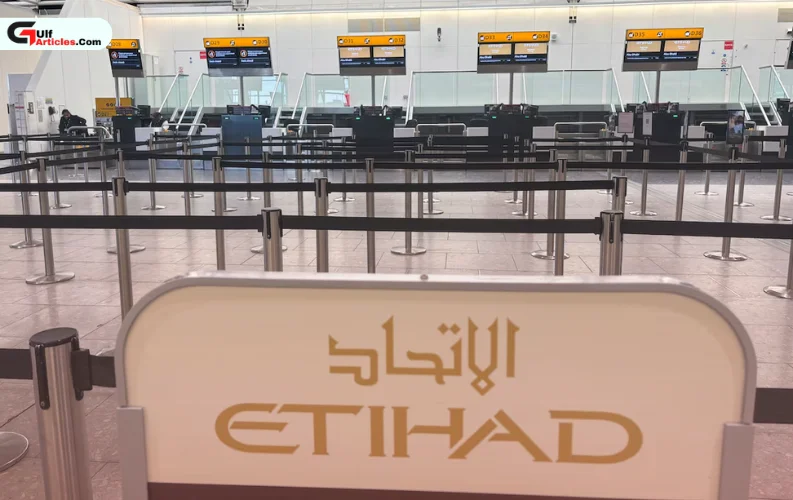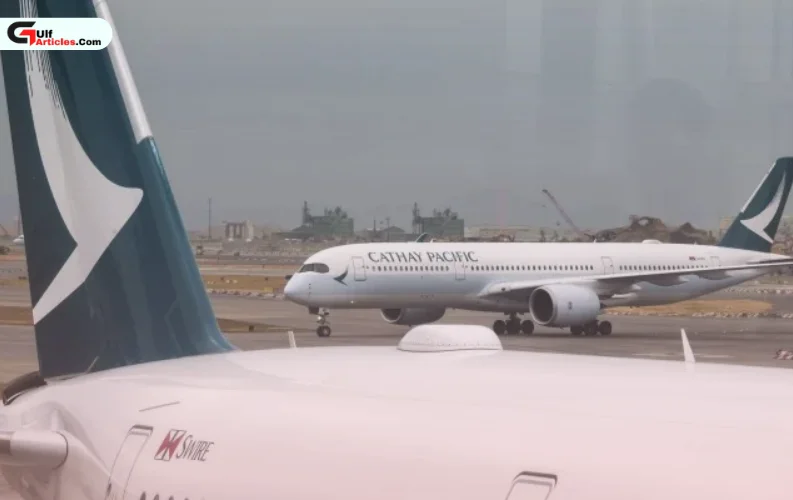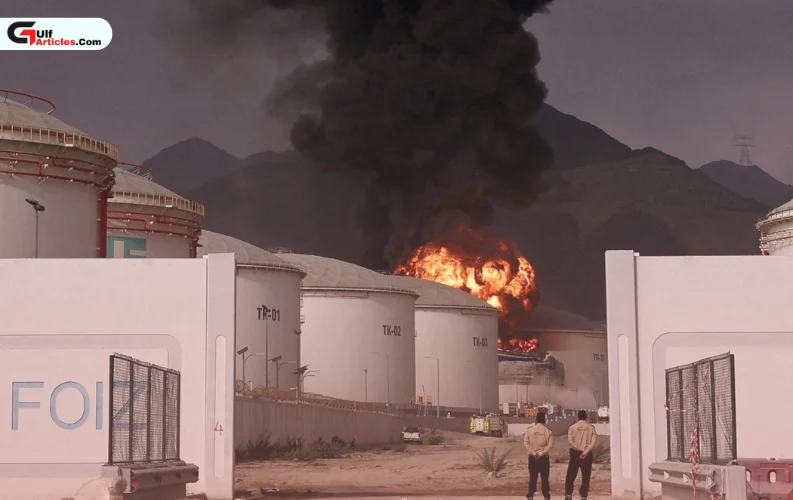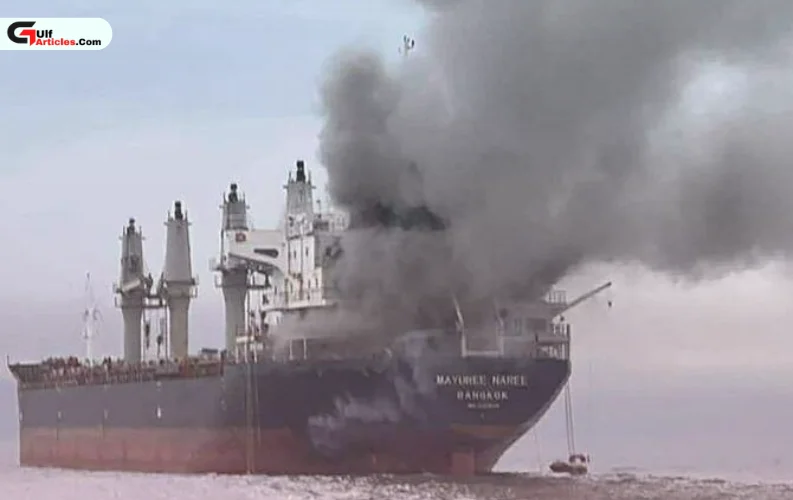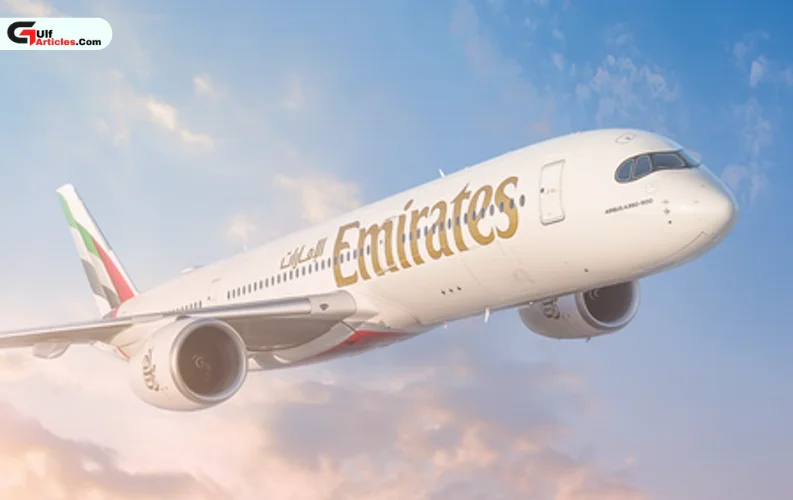


Ongoing airspace disruptions following U.S. and Israeli strikes on Iran have led to widespread flight cancellations across the Middle East, exposing significant gaps in travel insurance coverage for affected passengers. Airlines have suspended or rerouted multiple services across key transit hubs, leaving thousands of travellers stranded or forced to rearrange travel plans. However, industry experts say standard travel insurance policies often provide limited protection in such situations.
Most policies exclude claims linked to war, military action, and political unrest, meaning losses directly associated with the Iran conflict may not be covered. This includes cancellations triggered by airspace closures or airline suspensions.
Travel advisors said that government-mandated shutdowns and conflict-related disruptions typically fall under general exclusions, preventing reimbursement for unused tickets or additional booking costs.
Insurance coverage may also be restricted under “known event” provisions, where claims are denied if the disruption was foreseeable at the time of booking.
While cancellation due to personal safety concerns is generally not covered, some policies offer limited flexibility through optional add-ons such as “cancel for any reason”, though these benefits are often capped.
Experts noted that certain indirect disruptions — including delays, missed connections, or rerouting — may still qualify for compensation under standard travel delay provisions, depending on policy terms.
Emergency medical coverage remains largely unaffected, provided treatment is not directly linked to conflict. Insurers may also continue to offer logistical support services even where claims are denied.
Travellers affected by the disruptions are advised to contact airlines first for refunds or rebooking options, maintain detailed records of expenses, and review policy wording carefully before filing claims.
The developments come as regional tensions continue to impact aviation operations, adding pressure on travel networks and raising concerns about passenger protection during geopolitical crises.