
Gulf Cooperation Council (GCC) economies are facing growing geopolitical uncertainty as tensions with Iran disrupt regional trade and energy flows. However, economists believe the region’s strong energy sector, supported by export infrastructure and rising oil prices, could help soften the economic impact of the conflict.
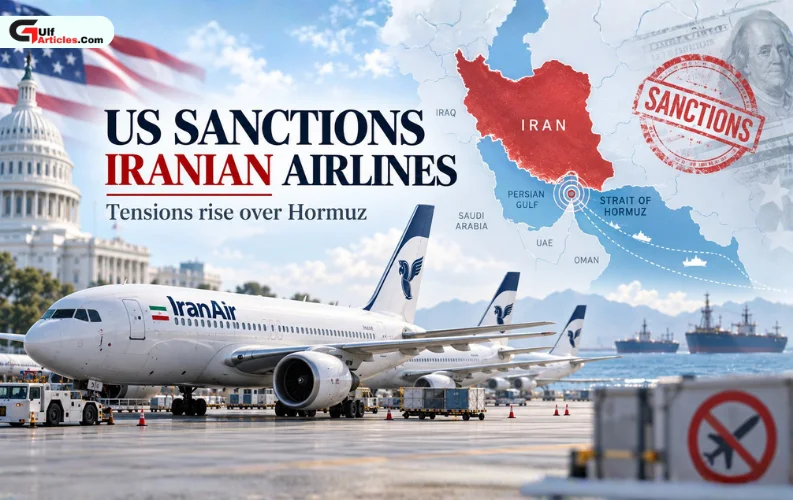
The escalating situation has raised concerns about potential disruptions in the Strait of Hormuz, a narrow but critical shipping route that carries nearly one-fifth of global oil exports. Any prolonged interruption in this corridor could affect global energy supplies and economic stability across the Gulf.
Analysts warn that countries most dependent on the strait could face the sharpest economic fallout. Estimates from economists suggest that Qatar and Kuwait may see significant contractions in economic output if shipping disruptions continue for an extended period. A prolonged halt in Hormuz traffic could trigger one of the most severe economic setbacks for these economies in decades.
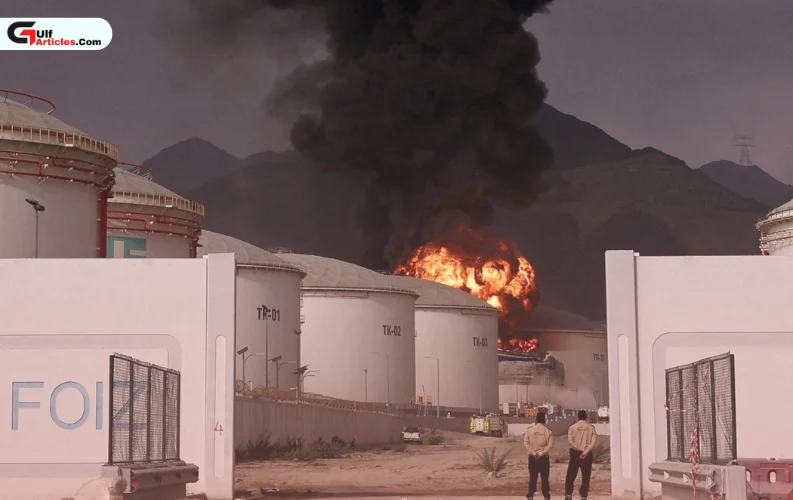
Despite these risks, the GCC’s extensive energy infrastructure provides a key layer of resilience. Major producers such as Saudi Arabia and the United Arab Emirates have invested heavily in alternative export routes that bypass the Strait of Hormuz. Pipelines linking Saudi oil fields to Red Sea ports and the UAE’s export corridor to Fujairah enable continued shipments even during periods of regional instability.
Because of these alternative routes, the region’s largest economies are expected to face relatively moderate economic slowdowns compared to more exposed nations. Projections indicate that Saudi Arabia and the UAE could see limited declines in economic growth if disruptions persist, with impacts significantly lower than those anticipated for smaller, more dependent economies.
Rising oil prices are also playing a crucial role in cushioning the economic impact. Brent crude has climbed sharply amid fears of supply disruptions, boosting government revenues across the Gulf. Higher oil income can offset losses from trade interruptions and support fiscal stability during uncertain periods.
At the same time, the conflict has begun to affect broader sectors. Global gas markets have seen disruptions, particularly with reduced exports from Qatar, while industrial operations in parts of the region have faced supply-related challenges. Economists note that prolonged instability could extend beyond energy markets, affecting tourism, real estate, and investment flows.
However, ongoing diversification efforts across the GCC may help mitigate long-term risks. Governments in the region have been investing in non-oil sectors such as logistics, manufacturing, and tourism to reduce reliance on hydrocarbons. These structural reforms are expected to provide additional economic stability over time.
Saudi Arabia, in particular, appears relatively well-positioned to navigate the current environment. Economic activity remains largely stable, with infrastructure and security measures helping maintain business operations despite regional tensions.
While fiscal pressures could emerge in the short term, especially if disruptions affect revenues, economists expect higher oil prices to support government finances. Some projections suggest that budget deficits could narrow if oil prices remain elevated and production levels are sustained.
Across the region, financial markets have so far shown resilience. Investors are not yet pricing in a prolonged conflict, indicating confidence that the situation may remain contained.
Overall, while the risks to Gulf economies are significant, the region’s energy strength, combined with strategic infrastructure and higher oil revenues, is expected to play a central role in helping economies navigate the current geopolitical uncertainty.
You may also like that news:-