
The International Energy Agency (IEA) on Friday urged governments, businesses and consumers to reduce energy consumption, including working from home, limiting travel and adopting alternative energy practices, as the global energy crisis intensifies. In its latest advisory, the agency warned that supply-side measures alone would not be sufficient to address what it described as the largest disruption in the history of the global oil market, driven by escalating conflict in the Middle East.
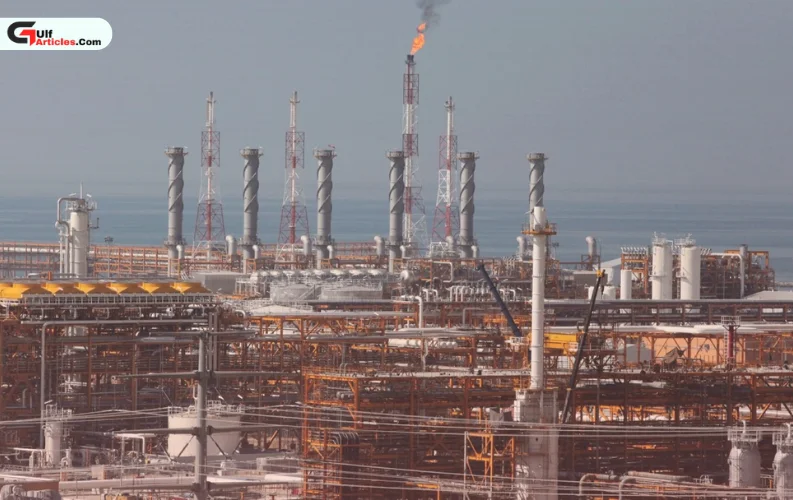
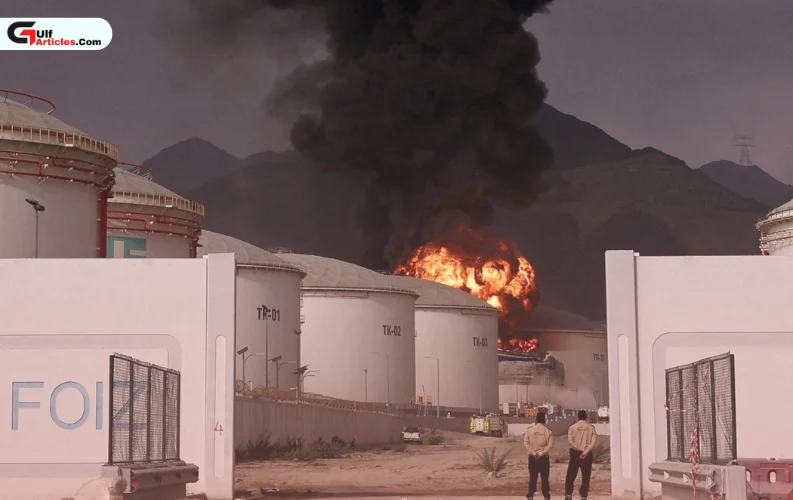
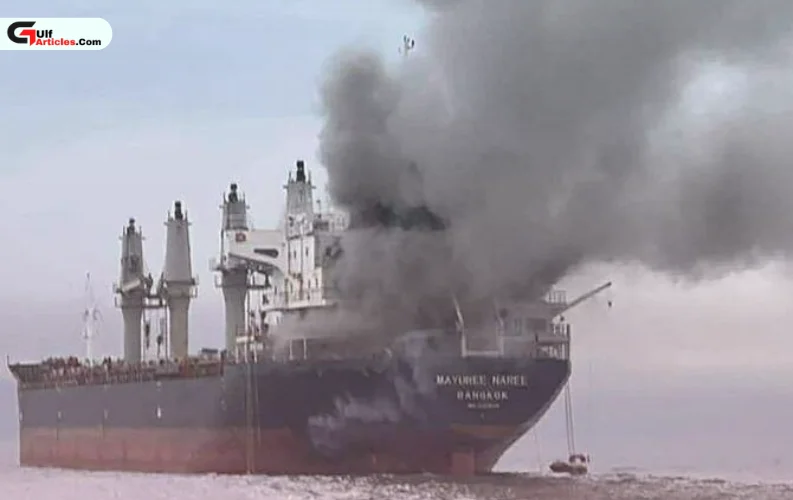
Oil prices have risen sharply since late February, climbing more than 40% and reaching their highest levels since 2022, amid severe supply disruptions linked to the effective closure of the Strait of Hormuz.
The IEA said reducing demand could provide faster relief than waiting for supply chains to recover.
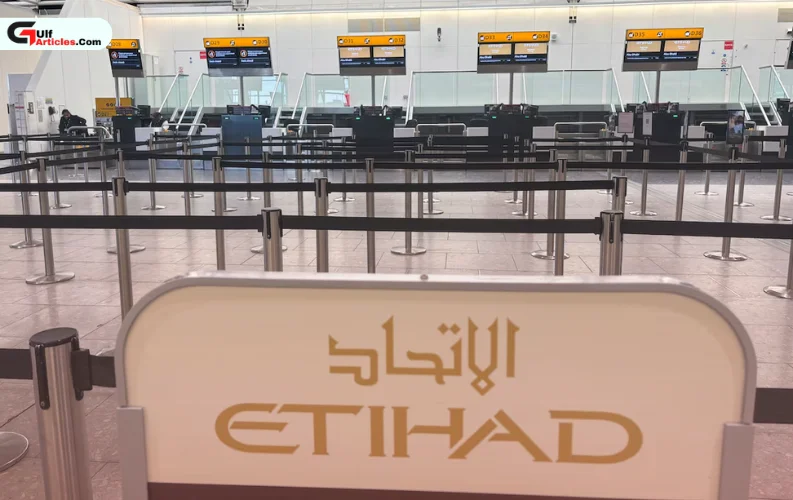
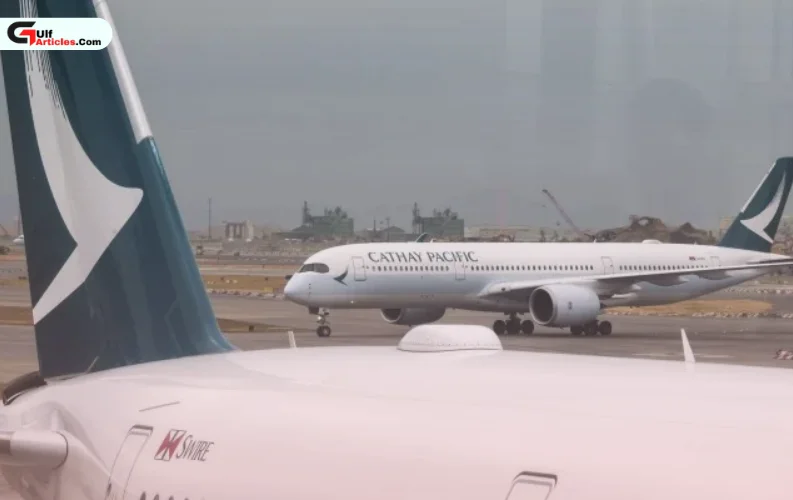
Among the key recommendations, the agency called for increased adoption of remote work to reduce commuting-related fuel consumption. It also urged reduced road and air travel, including cutting non-essential flights and encouraging the use of public transport and carpooling.
Road transport accounts for around 45% of global oil demand, making it a primary focus of demand-reduction measures.
The agency further advised lowering speed limits and promoting more efficient driving practices to curb fuel use. It also highlighted the need to shift towards cleaner cooking alternatives to reduce reliance on liquefied petroleum gas (LPG).
Countries have already begun responding to rising energy costs with policy measures. Several governments are considering or implementing tax cuts on fuel and electricity to ease pressure on consumers.
The IEA last week approved the release of around 400 million barrels from emergency reserves to stabilise markets, marking the largest such intervention in its history.
Despite these efforts, the agency said coordinated action to reduce consumption remains critical to managing price volatility and ensuring energy security in the near term.