
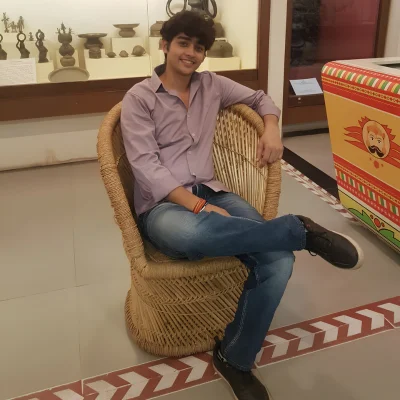
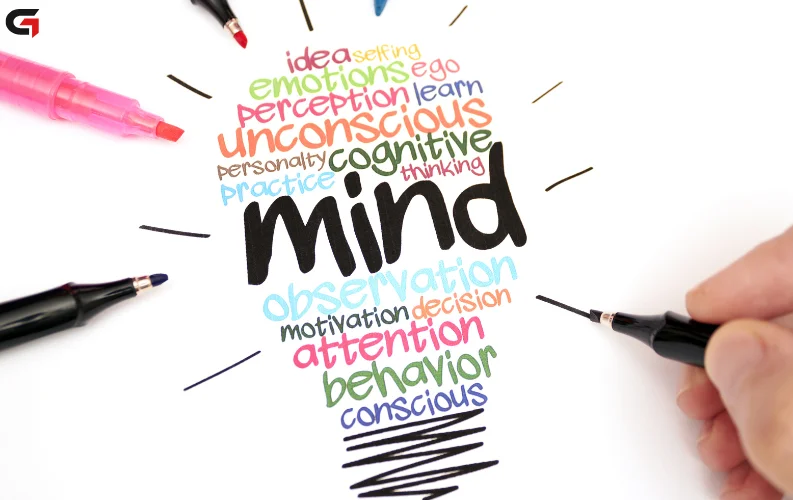
The Gulf region is undergoing a profound generational and economic transformation. At the heart of this shift are the millennials—those born between the early 1980s and late 1990s—who are redefining success, reshaping cultural norms, and accelerating the adoption of technology across sectors. These digital-native, globally-minded individuals are challenging traditional paths and forging new avenues of influence, entrepreneurship, and innovation.
A New Identity: Global Citizens with Local Roots
Gulf millennials have grown up in a unique socio-economic environment marked by rapid development, significant public investment in education, and high internet penetration. They are both recipients of tradition and architects of change. While they maintain a strong attachment to local culture, religion, and family values, they are also immersed in global digital culture. Their worldview is shaped by studying abroad, international travel, and consumption of diverse content across social media platforms.
This dual identity—being modern yet rooted—makes Gulf millennials capable of bridging the East and West in business, communication, and lifestyle. Many of them are multilingual, cosmopolitan, and entrepreneurial in spirit.
What Drives Gulf Millennials?
-
Autonomy: A desire for career independence and control over their future.
-
Impact: A preference for meaningful work that benefits society.
-
Innovation: Strong enthusiasm for emerging tech, digital platforms, and startup models.
-
Authenticity: A need for self-expression and culturally relevant representation.
Entrepreneurship as a Lifestyle, Not Just a Career Path
Millennials across the Gulf are increasingly choosing entrepreneurship over traditional employment. Inspired by global startup success stories and empowered by regional reforms, young Gulf citizens are launching ventures in sectors as diverse as e-commerce, fintech, creative industries, and health tech.
In countries like Saudi Arabia and the UAE, governments are supporting this shift by creating innovation hubs, simplifying business regulations, offering seed funding, and promoting entrepreneurship in education. For example, Saudi Arabia’s MiSK Foundation provides a platform for young entrepreneurs to access global networks, training, and capital. The UAE’s Hub71 in Abu Dhabi offers workspace, funding, and mentorship.
Entrepreneurship is no longer considered risky or unconventional. Instead, it is viewed as a legitimate, often prestigious, path to success. Many millennials now aspire to become startup founders, angel investors, or digital creators.
Popular Sectors Among Millennial Entrepreneurs:
-
Digital media and influencer marketing
-
Online education and edtech solutions
-
Sustainable fashion and ethical beauty brands
-
Health, fitness, and mental wellness platforms
-
Blockchain, fintech, and crypto-based services
Social Media: Not Just Influence, But Infrastructure
Social media plays a central role in the professional lives of Gulf millennials. Platforms such as Instagram, TikTok, Snapchat, and YouTube have become launchpads for careers. Young creators are using these tools not just to entertain but to educate, build brands, and generate income.
Digital content creation is seen as a form of entrepreneurship. Influencers collaborate with brands, sell digital products, and monetize their audience through ads and subscriptions. Moreover, social media is helping amplify local voices, promote homegrown culture, and break societal taboos through open discussion.
Characteristics of Gulf Digital Hustlers:
-
Digitally literate and fluent in tools like Canva, Shopify, and ChatGPT
-
Multi-skilled across marketing, branding, customer service, and product design
-
Resilient and self-taught, relying on online communities and free learning resources
-
Business-minded storytellers who understand branding and niche engagement
Education for the Digital Era
While university degrees are still valued in the Gulf, millennials are redefining what education means. Many are supplementing their formal education with short courses, coding bootcamps, digital certifications, and virtual mentorship programs.
This shift reflects a broader change in mindset—from valuing credentials to valuing competencies. Platforms like Coursera, Udemy, and LinkedIn Learning are popular among Gulf millennials looking to upskill in areas like digital marketing, UI/UX design, and financial literacy.
Governments are also taking note. Educational reforms now include entrepreneurship courses, partnerships with global tech institutions, and innovation competitions to prepare students for the real world.
Key Government Initiatives Supporting Millennial Education:
-
Youth entrepreneurship incubators
-
National coding and AI strategies
-
Startup competitions in schools and universities
-
Free access to digital training platforms
Conscious Consumerism and Value-Driven Ventures
Gulf millennials are not just business-minded—they are purpose-driven. There is a noticeable trend towards conscious consumerism, where purchasing decisions are based on values such as sustainability, ethical sourcing, and social impact.
Young consumers prefer brands that support local culture, promote diversity, and contribute to environmental causes. This shift is influencing how companies design their products and communicate with their audience.
As a result, we are witnessing the emergence of social enterprises and mission-driven startups. These ventures address issues like plastic waste, mental health stigma, youth unemployment, and cultural preservation—all while building viable businesses.
Challenges on the Path to Progress
Despite their optimism and ambition, Gulf millennials face structural and societal challenges:
-
Access to early-stage funding remains a significant barrier, especially for first-time founders.
-
Regulatory complexity can slow down business registration or expansion.
-
Gender inequality still exists in certain sectors, limiting opportunities for women.
-
Cultural resistance to unconventional careers like content creation or freelancing can create family pressure.
However, with growing public-private collaboration, many of these barriers are being addressed. Regional initiatives are working to improve legal frameworks, increase financial inclusion, and foster innovation at every level.
The Future Is Millennial
The Gulf’s future is being built by its youth. Whether founding startups, creating digital content, launching social campaigns, or influencing public opinion, millennials are central to the region’s evolution. Their voice is shaping policy, their talent is powering the economy, and their dreams are driving transformation.
Empowered by digital tools, emboldened by global exposure, and anchored in cultural pride, Gulf millennials are proving that ambition and authenticity are not mutually exclusive. They are embracing risk, championing change, and inspiring a new generation of leaders.
Summary Highlights:
-
Gulf millennials are global thinkers with deep cultural roots
-
Entrepreneurship is a preferred lifestyle, not just a profession
-
Social media is a critical platform for business and influence
-
Education is being redefined by skills and practical learning
-
Conscious consumerism and value-based leadership are on the rise
-
While challenges exist, the region is increasingly supportive of youth innovation
-
Millennials are not waiting for the future—they are building it
You may also like:-



Comments 0
No comments yet. Be the first to share your thoughts.
Leave a comment
Your email is never published. All fields are required.