
Airlines across the United Arab Emirates and the wider Gulf region have resumed operations within hours of recent disruptions, underlining the resilience of one of the world’s most interconnected aviation networks. Industry analysts, however, caution that while operational recovery has been swift, a full return to pre-disruption demand will unfold gradually.
Since the beginning of March, UAE airports have handled approximately 1.4 million passengers, with national carriers achieving nearly 45 per cent operational recovery compared to normal levels. The rapid restoration of air traffic operations reflects both strong infrastructure capabilities and coordinated crisis management across the sector.
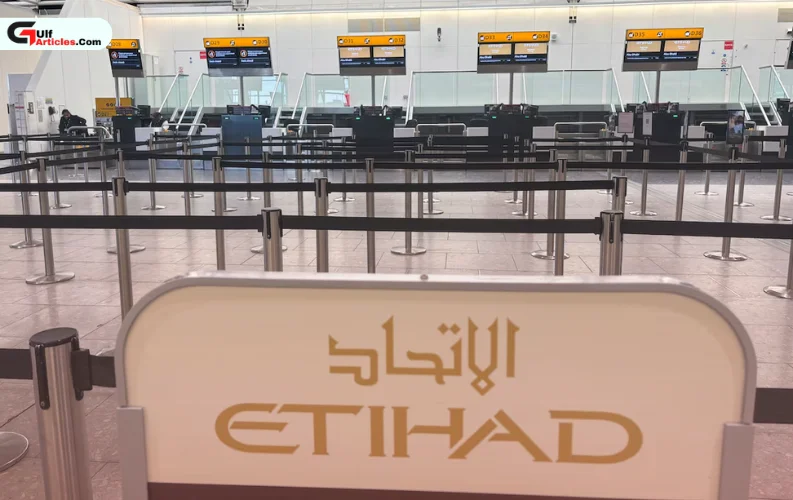
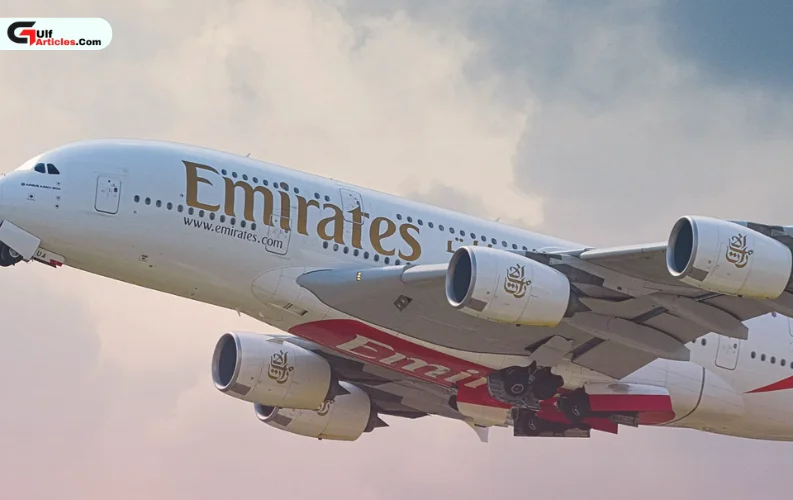
Flights by major carriers, including Emirates and Etihad Airways, have resumed on key international routes, while others have adapted flight paths to maintain connectivity with Europe, North America and regional destinations. Budget airlines such as flydubai and Air Arabia have also restarted selected services, signalling a cautious but steady rebuilding phase.
Authorities confirmed that UAE airspace operations returned to normal within hours following temporary precautionary closures. The swift resumption is being viewed as a critical indicator of the region’s operational preparedness and crisis response efficiency.
Phased Recovery Ahead
Aviation experts suggest that recovery will occur in distinct stages. Short-haul and regional routes are expected to stabilise within weeks, supported by existing aircraft positioning and crew availability. However, restoring full long-haul connectivity and hub capacity may take longer, as airlines rebuild schedules and restore passenger confidence.
Key indicators of recovery will include airlines transitioning from temporary schedules to standard operations, the return of international carriers without restrictions, and stabilisation in operational costs such as fuel, insurance and ticket pricing.
Structural Strength Remains Intact
Despite near-term challenges, analysts remain confident in the long-term strength of Gulf aviation hubs. The region’s strategic geographic position, combined with the scale and capacity of its airlines, continues to make it indispensable to global air travel.
Experts note that while some route adjustments and frequency reductions may occur in the short term, the broader role of Gulf hubs in global connectivity is unlikely to change. Major carriers in the UAE, Qatar and Saudi Arabia are expected to lead the recovery, supported by strong infrastructure and sustained investment.
Demand Yet to Fully Recover
While operations have resumed quickly, passenger demand—particularly for leisure and inbound travel—remains below pre-disruption levels. Higher airfares, extended flight routes and ongoing geopolitical uncertainty are influencing travel decisions, especially among international tourists.
Industry observers note that travel demand typically recovers in two phases: essential and business travel returns first, followed by leisure travel as confidence improves. Early signs suggest that while some travellers remain cautious, others are proceeding with pre-booked plans, particularly to destinations in Asia and Southeast Asia.
Challenges Persist, but Outlook Positive
Airlines continue to navigate operational complexities, including volatile fuel prices and longer routing requirements due to restricted airspace. These factors may temporarily increase costs and fares, but are not expected to cause lasting structural disruption.
Looking ahead, upcoming travel peaks—including the Hajj season—are expected to further support demand recovery across the region. With millions of passengers anticipated, such events could serve as a key milestone in the sector’s return to normalcy.
A Resilient Aviation Hub
The Gulf’s ability to restore operations within hours reinforces its reputation as a highly resilient aviation ecosystem. While uncertainties remain in the short term, the region’s strong fundamentals, strategic importance and operational readiness position it well for a sustained recovery in the months ahead.