
Skip to content

Discover a different perspective

News

Oil Shipping and Insurance Costs Surge as Hormuz Tensions Disrupt UAE Trade

Oil Shipping and Insurance Costs Surge as Hormuz Tensions Disrupt UAE Trade
Share this article
Text size 14px
Comment

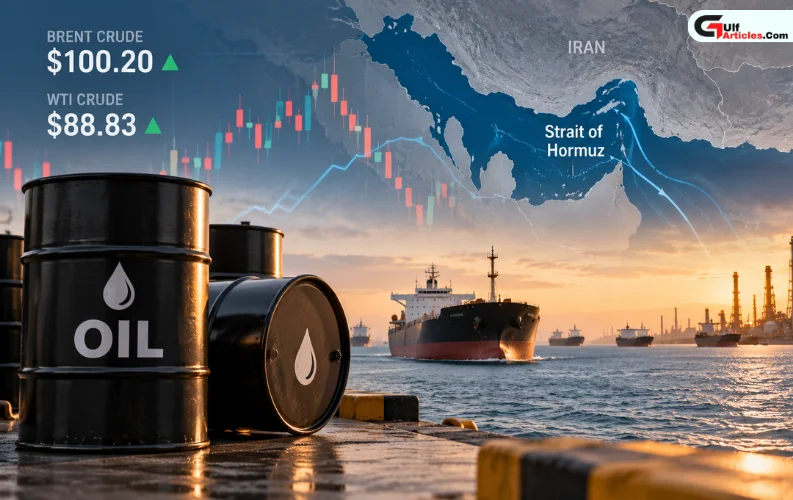
Oil shipping costs and marine insurance premiums have risen sharply as tensions in the Strait of Hormuz disrupt maritime traffic, putting pressure on the UAE’s key trade routes.

Freight rates for tankers moving crude oil from the Gulf have climbed dramatically after escalating conflict between the United States and Iran increased security risks in the region. Shipowners are demanding higher payments to transport cargo through the narrow waterway, which handles a significant share of global oil supply.

The Strait of Hormuz carries nearly one-fifth of the world’s oil shipments. Any disruption in this corridor immediately affects global energy markets.

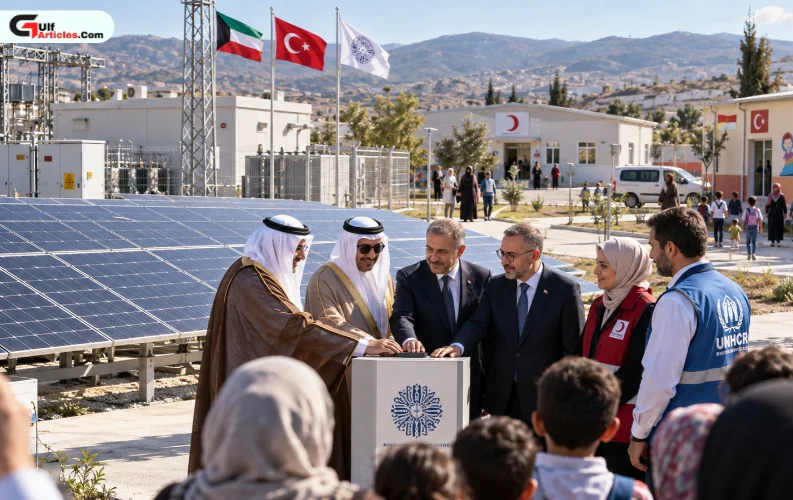
Shipping brokers report that rates to transport Middle East crude to Asia have multiplied compared to last year. Several oil tankers have anchored outside the strait, waiting for clearer security conditions before proceeding.

Insurance costs have also jumped. War-risk premiums for vessels entering the Gulf are expected to rise by as much as 50%. For large oil tankers valued at around $100 million, this could mean hundreds of thousands of dollars in additional costs per voyage.

The UAE, one of OPEC’s major producers, relies heavily on the Strait of Hormuz for crude exports and refined product shipments. Although the Habshan-Fujairah pipeline provides an alternative route for part of its oil exports, most regional shipments still pass through the strait.

Major global shipping companies have either suspended or rerouted vessels due to safety concerns. This has increased congestion near Gulf ports and slowed overall traffic.

Analysts warn that even short-term disruption could push oil prices higher. A prolonged shutdown of the strait may send crude prices above $100 per barrel, increasing inflationary pressure worldwide.

Beyond energy, the region is also a key exporter of aluminum, fertilizers and other commodities. Any continued disruption could affect global supply chains and raise transportation costs further.

For now, markets remain cautious as governments and shipping firms monitor developments closely.
Comments 0

No comments yet. Be the first to share your thoughts.

Leave a comment

Your email is never published. All fields are required.

Related Stories

Continue reading from Gulf Articles

Tristar Group Signs Agreement for Aegis Logistics to Become Majority Shareholder

Tristar Group Signs Agreement for Aegis Logistics to Become Majority Shareholder

Tristar Group has signed an agreement that will allow Aegis Logistics to become its majority shareholder, marking a significant development in the companies' business relationship. The proposed transaction is expected to strengthen their position in the logistics and energy supply chain sectors, with potential implications for regional operations and future expansion.

Fitbit Edge Launched with Replaceable Battery, 7-Day Life and ECG for $180

Fitbit Edge Launched with Replaceable Battery, 7-Day Life and ECG for $180

Fitbit has introduced the Fitbit Edge, a wearable device featuring a replaceable battery, up to seven days of battery life, and electrocardiogram (ECG) functionality at a price of $180. The device focuses on practical health tracking and longer-term usability, offering an alternative for consumers who want smartwatch features without frequent charging or the need to replace the entire device when its battery wears out.

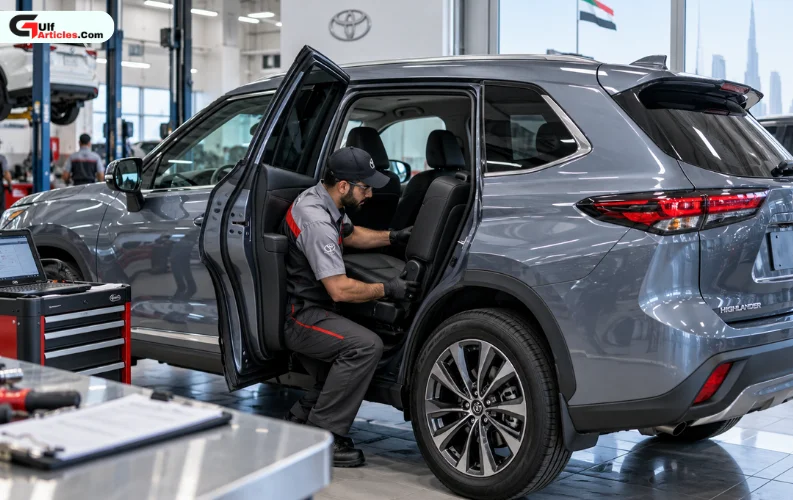
UAE Recalls 1,983 Toyota Highlander Vehicles Over Seat Safety Defect

UAE Recalls 1,983 Toyota Highlander Vehicles Over Seat Safety Defect

The United Arab Emirates has announced a recall of 1,983 Toyota Highlander vehicles after identifying a potential defect in the second-row seat mechanisms. The issue could prevent seatbacks from locking securely, increasing the risk of passenger injuries in the event of a collision. The recall was announced by Al-Futtaim Motors in coordination with the UAE's consumer protection authorities.

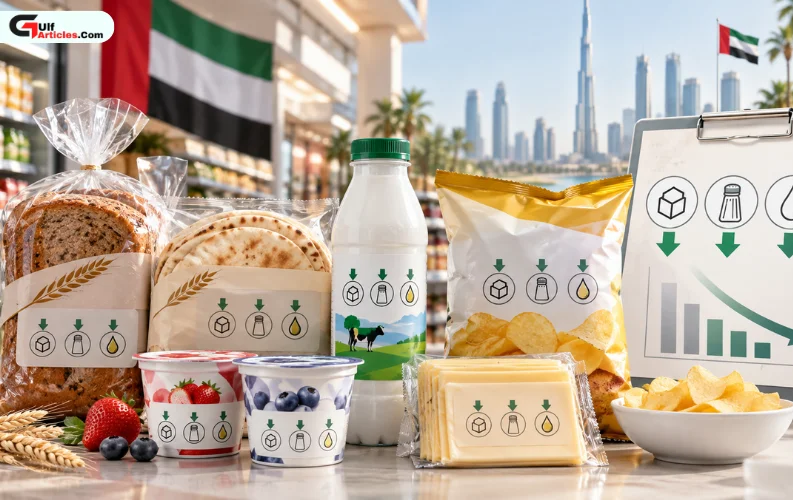
UAE Sets New Sugar, Salt and Fat Limits for Bread, Laban and Chips

UAE Sets New Sugar, Salt and Fat Limits for Bread, Laban and Chips

The United Arab Emirates has started implementing new rules that set limits on sodium, sugar and fat in selected packaged foods, including bread, laban, flavoured yoghurt, chips and processed cheese. The regulations aim to improve the nutritional quality of everyday products and support healthier food choices, while giving manufacturers time to adjust recipes and production processes.

Abu Dhabi Partners With Elon Musk’s Boring Company to Explore Underground Infrastructure

Abu Dhabi Partners With Elon Musk’s Boring Company to Explore Underground Infrastructure

Abu Dhabi has partnered with The Boring Company, the tunnelling and infrastructure technology firm founded by Elon Musk, to explore underground transportation, utility tunnels and other infrastructure solutions across the emirate. The agreement, announced on October 8, 2026, aims to assess how advanced tunnelling technologies could improve connectivity, support urban growth and make more efficient use of available space.