

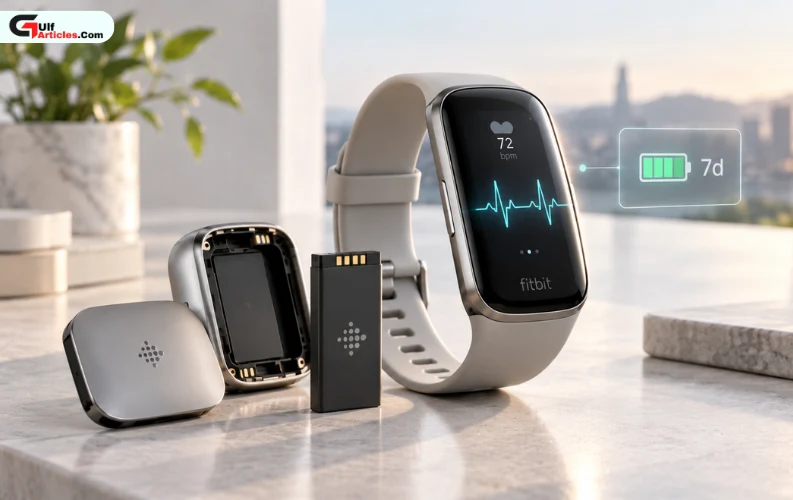
Fitbit has introduced the Fitbit Edge, a wearable device featuring a replaceable battery, up to seven days of battery life, and electrocardiogram (ECG) functionality at a price of $180. The device focuses on practical health tracking and longer-term usability, offering an alternative for consumers who want smartwatch features without frequent charging or the need to replace the entire device when its battery wears out.
Replaceable Battery Offers Longer-Term Convenience
One of the Fitbit Edge's main features is its replaceable battery, which could make the device easier to maintain over time. Many modern wearables have built-in batteries that gradually lose capacity with repeated charging, potentially limiting their useful lifespan.
The Fitbit Edge is designed to address this concern while offering up to seven days of battery life on a single charge. This could appeal to users who prefer fewer charging interruptions and a device that remains practical for everyday use.
ECG and Health Tracking Features
The Fitbit Edge also includes ECG functionality, allowing users to record electrical signals from their heart for certain heart rhythm assessments. ECG features in compatible wearables can help identify signs of irregular heart rhythms, although they are not a replacement for professional medical evaluation.
Combined with Fitbit's health-tracking approach, the feature could make the device useful for people who want to monitor selected aspects of their well-being alongside their daily activity.
Availability of ECG features may depend on regional regulations and device compatibility.
Pricing and Market Position
Priced at $180, the Fitbit Edge enters the wearable market at a level that may attract consumers seeking health features without paying premium smartwatch prices. Its combination of a replaceable battery, multi-day endurance, and ECG functionality gives it a distinct feature set.
The device's appeal will ultimately depend on its accuracy, comfort, software support, and compatibility with users' smartphones. Battery replacement costs and long-term support may also influence its overall value.
What It Means for Wearable Technology
The Fitbit Edge highlights growing interest in wearables that balance health monitoring with durability and convenience. As consumers pay more attention to battery life and electronic waste, replaceable components could become an important consideration when choosing connected devices.
If the device delivers on its advertised features, it could appeal to users looking for a practical fitness and health tracker with fewer charging demands and a longer potential service life.
You may also like that news:-














Comments 0
No comments yet. Be the first to share your thoughts.
Leave a comment
Your email is never published. All fields are required.