

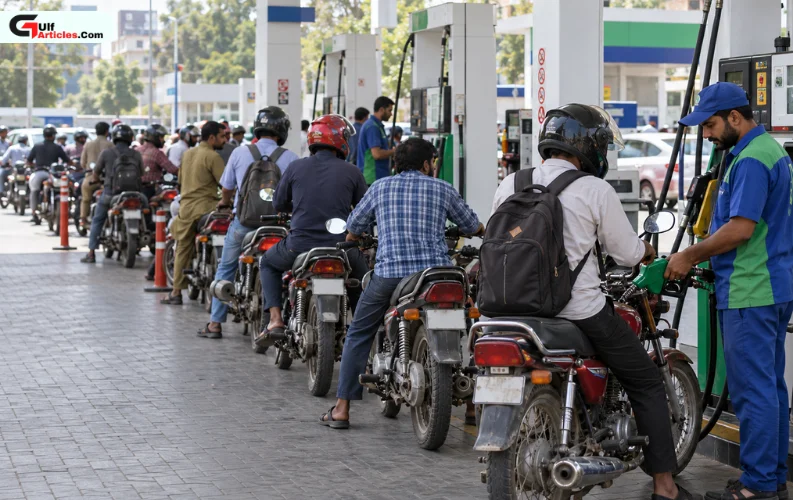
Oil prices moved higher on Tuesday after U.S. President Donald Trump rejected an Iranian proposal to reopen the Strait of Hormuz, keeping concerns about fuel supplies and shipping routes across the Middle East.
During morning Asian trading, Brent crude rose 1.4% to around $106.80 a barrel, while U.S. West Texas Intermediate gained about 1% to roughly $93.50. Abu Dhabi’s Murban crude climbed 3.4% to $116.90, reflecting tighter regional supplies and higher shipping costs.
Trump Rejects Iran Proposal
Iran had proposed reopening the Strait of Hormuz within seven days and resuming nuclear negotiations, but only if Washington met several conditions, including lifting its naval blockade of Iranian ports, waiving sanctions on Iranian oil sales and observing a ceasefire that would include Lebanon.
Trump rejected the proposal on September 26, saying the terms were not acceptable. Despite the disagreement, U.S. and Iranian officials have indicated that indirect diplomatic contacts could continue.
Hormuz Disruption Keeps Oil Markets on Edge
The Strait of Hormuz remains at the center of the latest oil-market concerns. Shipping activity through the waterway has fallen sharply since the conflict escalated in February, forcing some tankers to wait, take longer routes or use limited corridors.
Gulf News reported that commercial shipping traffic through the area is running around 75% to 90% below pre-conflict levels, increasing costs for both energy companies and ship operators.
The importance of the route is also reflected in its role in global energy trade. Analysts cited by the Wall Street Journal estimate that roughly one-fifth of the world's oil normally passes through the Strait of Hormuz.
Red Sea Creates a Second Chokepoint
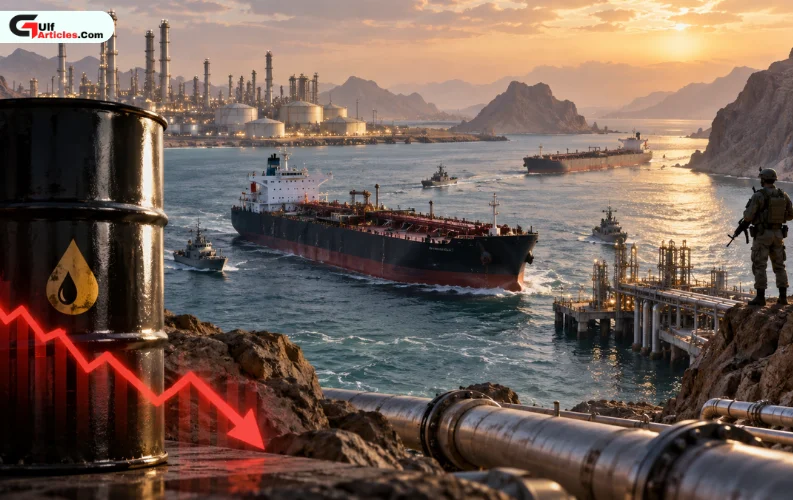
The pressure is not limited to Hormuz. The Red Sea and Bab al-Mandab Strait are also facing shipping disruptions, creating what traders describe as a second supply chokepoint.
Saudi Arabia has relied more heavily on pipelines and Red Sea routes as an alternative, but attacks attributed to Iran-backed Houthi forces have added new risks. Weekly vessel traffic through Bab al-Mandab has fallen significantly, raising the possibility that more ships could take the much longer route around the Cape of Good Hope.
Longer journeys mean higher fuel, insurance and freight costs, adding another layer of pressure to global energy markets.
Saudi Pipeline Disruption Adds to Supply Concerns
A disruption to a Saudi pipeline has also affected regional flows. Reuters reported that Saudi oil shipments through the Strait have been constrained, while Saudi Arabia has been increasing exports through other routes where possible. Middle East crude exports recovered in September but remained below levels seen before the conflict began.
At the same time, higher freight costs are encouraging some Gulf producers and buyers to consider alternative shipping arrangements, including ship-to-ship transfers outside the Strait.
Higher Oil Prices Could Keep Inflation Under Pressure
The latest rise in crude prices is being closely watched by governments, central banks and businesses because higher energy costs can quickly feed into transportation, manufacturing and household fuel bills.
For oil-importing economies, prolonged disruptions could increase the cost of securing crude from alternative suppliers. Reuters noted that higher oil prices are already adding pressure to markets such as India, where the rupee has weakened as energy concerns intensify.
For now, traders remain focused on developments around the Strait of Hormuz, Red Sea shipping routes and the possibility of further U.S.-Iran diplomatic contacts. Until there is greater clarity on those fronts, oil markets are likely to remain sensitive to even small changes in regional supply and shipping conditions.
You may also like that news:-














Comments 0
No comments yet. Be the first to share your thoughts.
Leave a comment
Your email is never published. All fields are required.